Artikel: Fine Art Prints vs Posters: Why the Paper Changes Everything in 2026
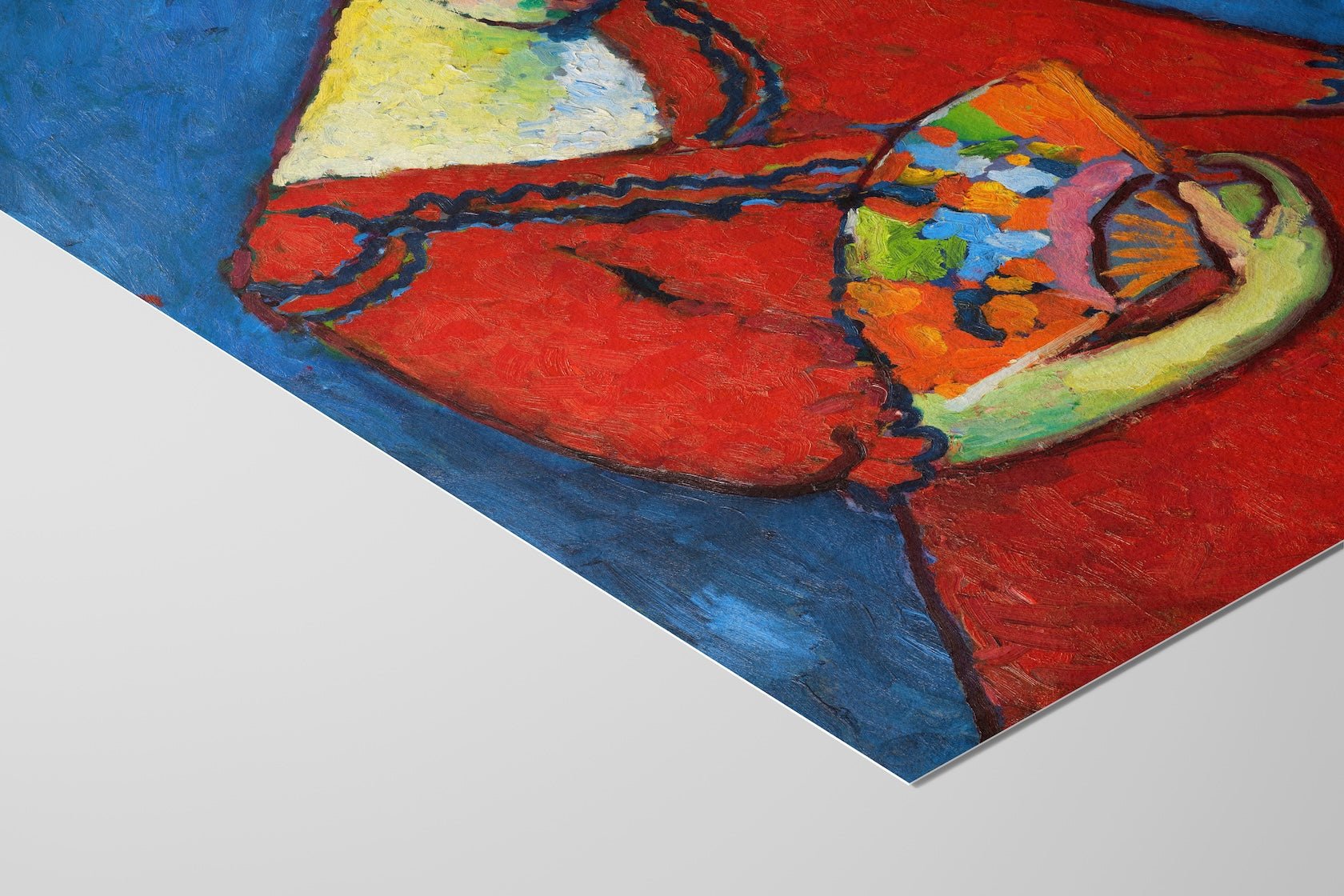
Fine Art Prints vs Posters: Why the Paper Changes Everything in 2026
This article is part of our Guide to Buying Fine Art Prints
What a Poster Is
A poster is a mass-produced print designed for wide distribution at low cost. It is typically printed on thin, wood-pulp paper — often between 90 and 170 gsm — using high-speed commercial offset printing or inexpensive digital processes. This type of paper contains acids that cause it to yellow and become brittle over time. [1]
The inks used in posters are commonly dye-based rather than pigment-based. Dye inks produce bright colors initially but are more susceptible to fading when exposed to light, especially ultraviolet light from sunlight. [2]
Because of these materials and printing methods, posters are not designed for longevity. Many will show noticeable fading or paper degradation within five to ten years depending on environmental conditions. [3]
None of this is a problem if that’s what you’re buying it for. A poster for a dorm room, office cubicle, or temporary space does the job. It is inexpensive and easily replaceable.
What a Fine Art Print Is
A fine art print — specifically a giclée print — is produced to a very different technical standard. The paper is archival: acid-free, pH-neutral, and typically made from cotton rag or mould-made paper. Archival papers are designed to resist yellowing and deterioration over long periods of time. [4]
The inks used in giclée printing are pigment-based rather than dye-based. Pigment inks contain microscopic particles of solid pigment suspended in liquid, which are more resistant to fading and chemical degradation. [5]
Under museum-quality conditions, pigment-based inkjet prints on archival paper can maintain color stability for many decades — often exceeding 100 years according to laboratory accelerated-aging tests conducted by institutions such as Wilhelm Imaging Research. [6]
The printing process itself uses high-resolution inkjet printers with multiple ink channels — commonly 10 to 12 colors — allowing smoother tonal gradients, deeper blacks, and more accurate color reproduction than standard commercial printing. [7]
For these reasons, giclée printing is widely used for producing limited edition prints and reproductions of artworks for galleries, museums, and professional print studios. [8]
Why the Paper Is Everything
In fine art printing, the paper is one of the most critical variables. Paper determines longevity, color depth, how ink is absorbed or sits on the surface, and the tactile quality of the finished print.
At 9 Art Prints, every print is produced on Hahnemühle German Etching 310 gsm — a mould-made archival paper widely used in fine art printing and museum reproduction work. Hahnemühle is one of the oldest paper manufacturers in the world and is well known for producing professional-grade fine art papers used by photographers, artists, and print studios. [10]
At 310 gsm, this paper falls within the heavyweight category of fine art papers. Papers of this weight provide greater rigidity and a more substantial feel compared with thin poster paper. [11]
German Etching also has a lightly textured surface that enhances tonal depth and reduces glare when framed under glass, giving the print the appearance of a physical art object rather than a glossy commercial reproduction.
What to Look For When Buying
If you are buying a fine art print — from us or from anyone else — there are a few technical indicators that determine whether it is truly archival.
Giclée printing. This term refers to high-resolution inkjet printing using pigment-based inks on archival paper. [12]
Paper weight of 300 gsm or higher. While weight alone does not guarantee archival quality, heavyweight papers are commonly used in museum-grade prints because they provide durability and dimensional stability. [11]
Pigment-based archival inks. Pigment inks provide significantly better fade resistance than dye-based inks in display conditions. [5]
Cotton rag or archival fine art paper. Papers produced by manufacturers such as Hahnemühle, Canson, or Epson are widely used in professional fine art printing. [10]
If a listing describes the product only as a “poster,” “photo print,” or fails to specify the paper and ink type, it is likely not archival quality.
The Simple Rule
Buy a poster if you want something temporary, decorative, and inexpensive. Buy a fine art print if you want something that is designed to last decades without noticeable degradation.
Every print at 9 Art Prints is produced on Hahnemühle German Etching 310 gsm using archival pigment inks — materials chosen specifically for longevity and color fidelity.
References
[1] Library of Congress – Preservation of Paper and Books
https://www.loc.gov/preservation/care/books.html
[2] Smithsonian Museum Conservation Institute – Ink and Color Stability
https://mci.si.edu
[3] National Archives – Paper Deterioration and Preservation
https://www.archives.gov/preservation
[4] The Metropolitan Museum of Art – Paper Conservation and Materials
https://www.metmuseum.org
[5] Wilhelm Imaging Research – Pigment vs Dye Ink Permanence
https://www.wilhelm-research.com
[6] Wilhelm Imaging Research – Inkjet Print Permanence Ratings
https://www.wilhelm-research.com/inkjet_prints.html
[7] Epson Professional Imaging – Giclée Printing Technology
https://epson.com/for-work/professional-imaging
[8] Tate Museum – Printmaking and Reproduction Practices
https://www.tate.org.uk/art/art-terms/p/printmaking
[9] American Institute for Conservation – Paper and Cotton Rag Materials
https://www.culturalheritage.org
[10] Hahnemühle FineArt – German Etching Paper Specifications
https://www.hahnemuehle.com/en/digital-fineart/fineart-papers/german-etching.ht
[11] Canson Infinity – Fine Art Paper Weights and Characteristics
https://www.canson-infinity.com
[12] Britannica – Giclée Printing Definition
https://www.britannica.com/art/giclee-printing