Printed to Archival Fine Art Standards
We produce every piece using a 12-ink pigment giclée process on Hahnemühle fine art paper — delivering exceptional depth, texture, and color accuracy designed to last a lifetime.
"The print is so exquisite that I literally gasped upon opening it!"
“Beautiful, high quality, exactly what I was looking for and then exceeded my expectations… So very happy with how these turned out. Highly recommend.”
“I was blown away by the quality of this print! It’s truly museum grade quality… Warmly recommended!”
“Print looks like an original! Beautifully done on beautiful paper… Truly gorgeous and looks like original art!”
"I believed all the other reviews and was still surprised."
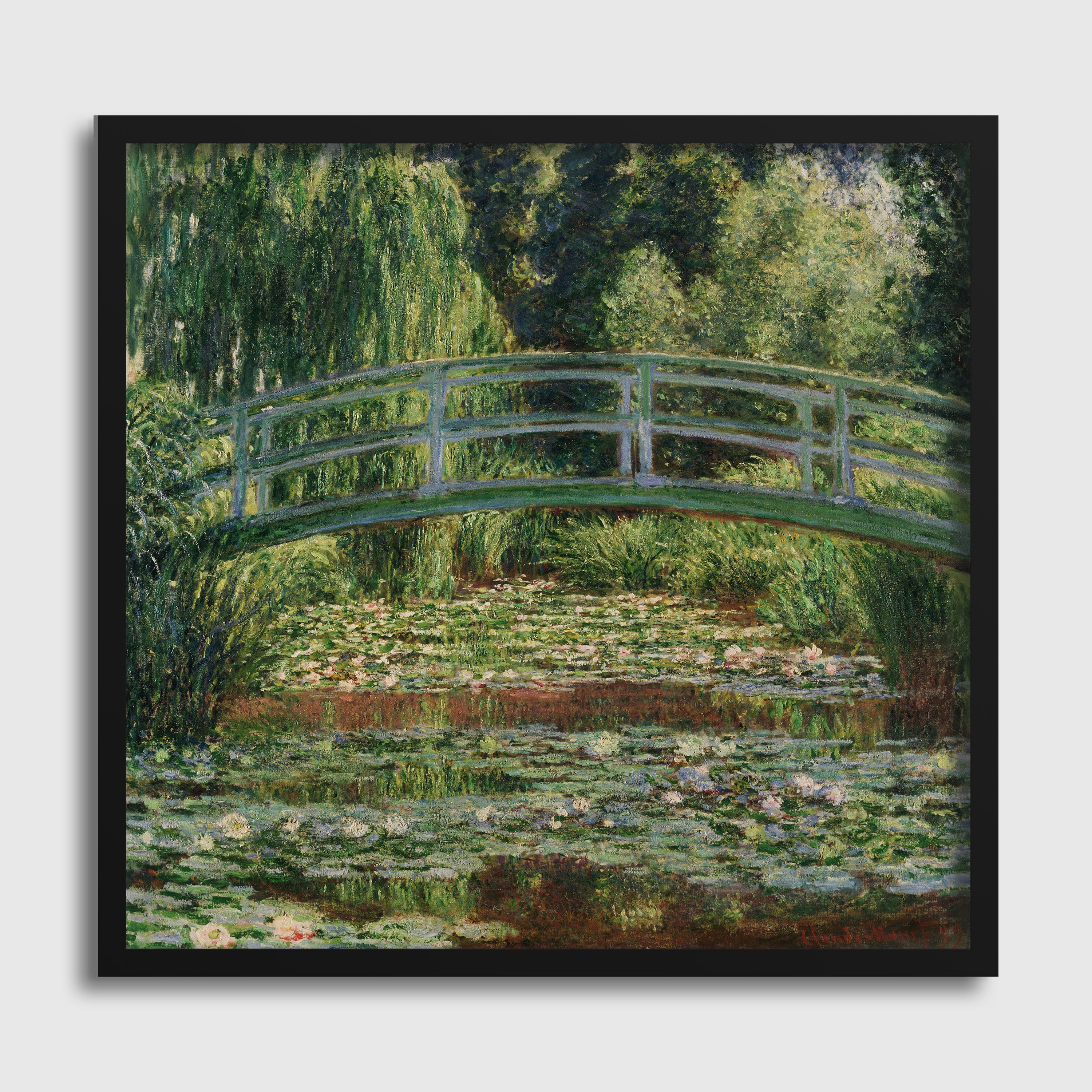
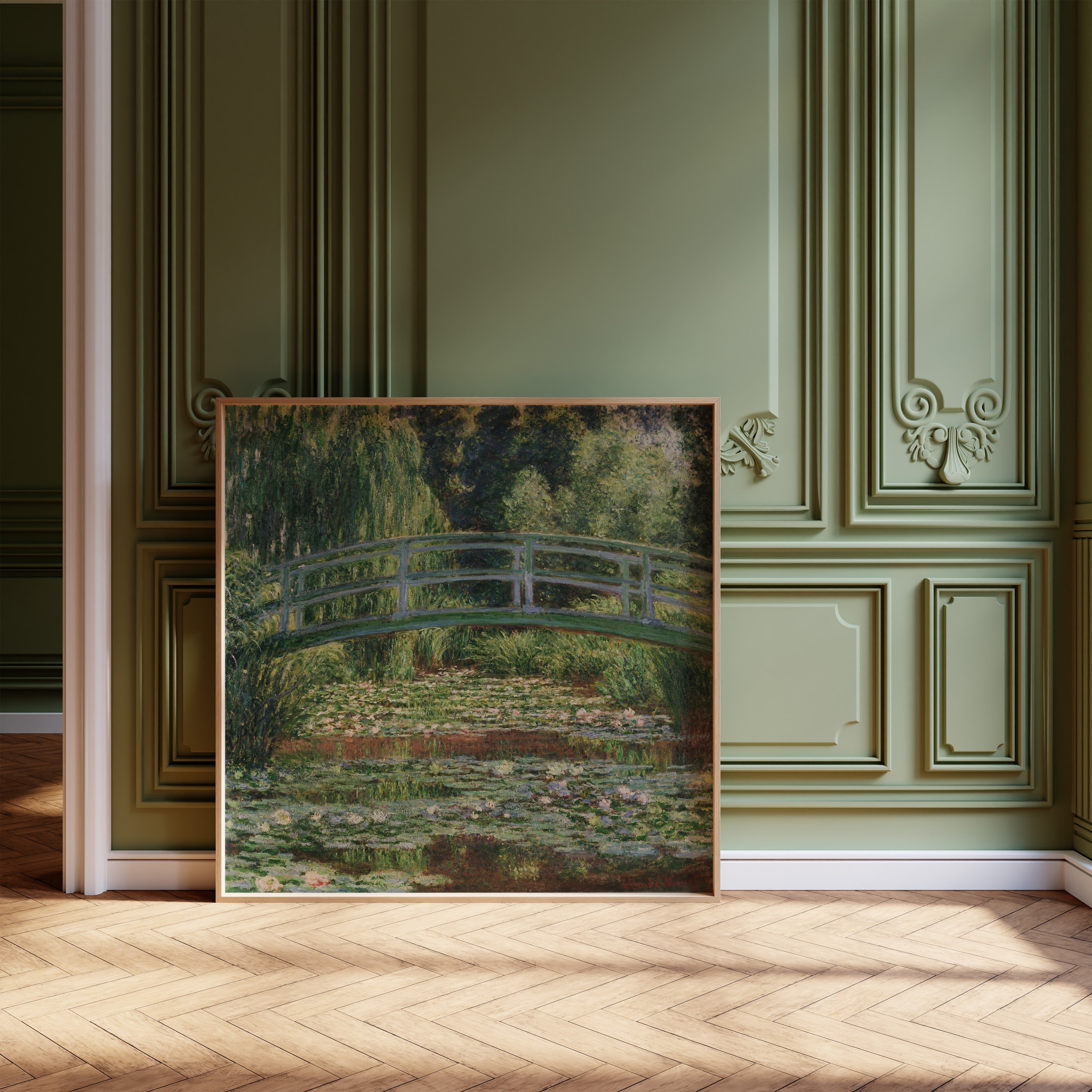
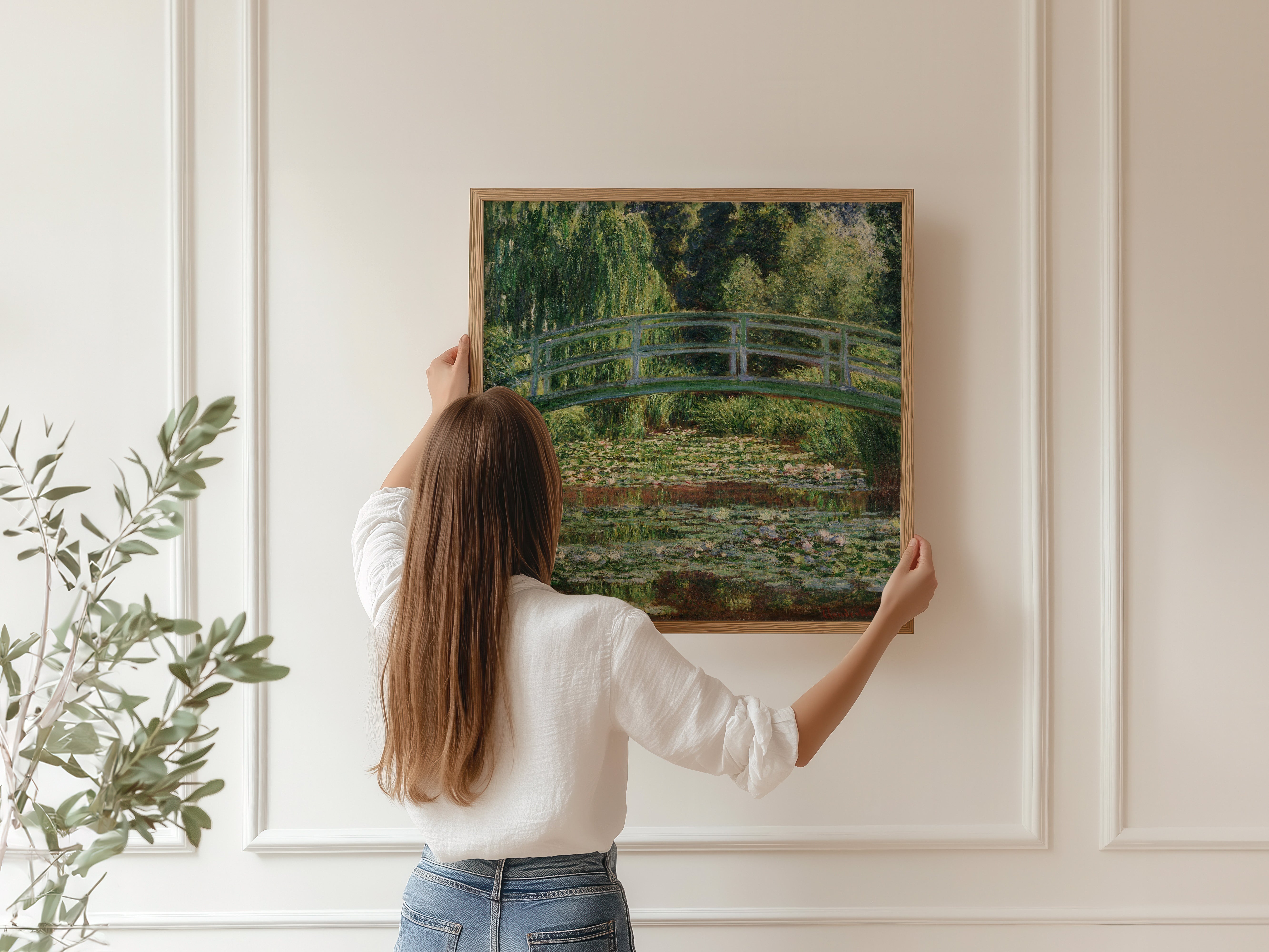
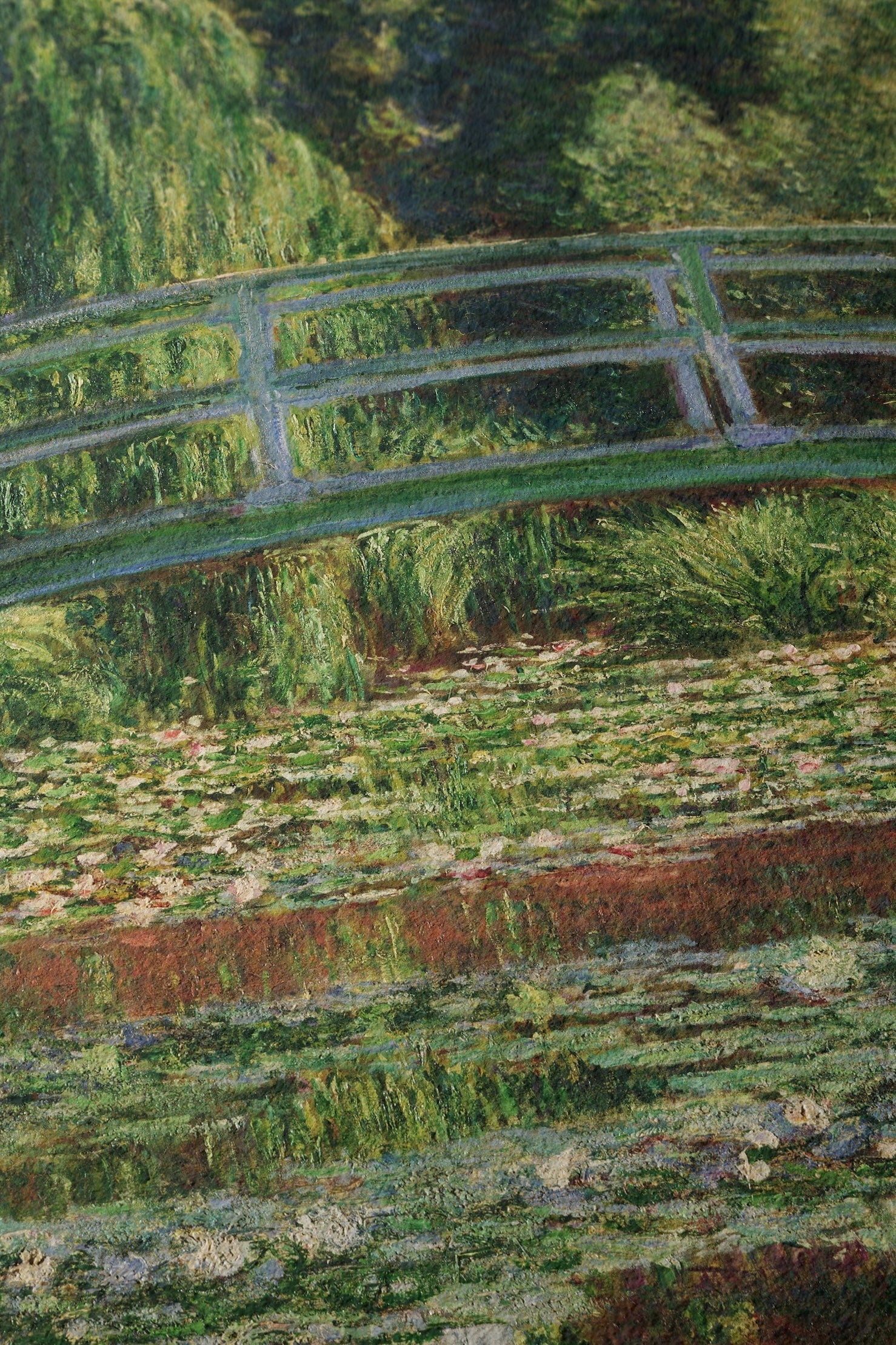
The Japanese Footbridge and the Water Lily Pool, Giverny (Harmony in Green)
Claude Monet
Recognized by Google as a Top Quality store
MATERIALS
- Paper: Premium Hahnemühle German Etching (310 gsm).
- Ink/Printing: 12-ink archival giclée process.
- Glazing: Low-reflection, shatter-proof 'motheye' acrylic.
- Hanging: Ready to hang (sawtooth hook).
- Framing Materials: Solid, sustainably harvested ash and oak wood frames made to order.
SHIPPING
- Fast, free shipping worldwide.
- Ships in 7 working days or less. Check your estimated delivery date on the product page.
- Local fulfilment in USA, UK, EU and Australia/New Zealand.
RETURNS
- If you're not entirely happy with your order, simply return it to us within 30 days for a replacement or full refund.
Japanese Footbridge is an oil painting by Claude Monet. It was painted in 1899. It measures 81.3 x 101.6 cm (32 x 40 in.). It hangs in the National Gallery of Art.
In 1893, Monet moved to a house in rural Giverny. In 1893 and the years following, he turned a swampy area at Giverny into a water lily pool. It became a source of artistic inspiration.
In 1899 Monet painted 12 works that centered on the garden and the Japanese Footbridge he constructed. The National Gallery of Art writes: "When Monet exhibited these paintings at Durand–Ruel's gallery in 1900, a number of critics mentioned his debt to Japanese art. More telling, the impenetrable green enclosure—heightened in the National Gallery painting by the placement of the top of the bridge's arch just below the painting's top edge—harkens back to the hortus conclusus (closed garden) of medieval images, while also evoking a dreamlike contemplative zone consonant with symbolist literature, especially poems such as "Le Nénuphar blanc" by Stéphane Mallarmé. Gustave Geffroy described this effect in his review of the exhibition (Le Journal, November 26, 1900), speaking of "this minuscule pool where some mysterious corollas blossom," and "a calm pool, immobile, rigid, and deep like a mirror, upon which white water lilies blossom forth, a pool surrounded by soft and hanging greenery which reflects itself in it."
- Courtesy of Wikipedia
Optionen auswählen