Printed to Archival Fine Art Standards
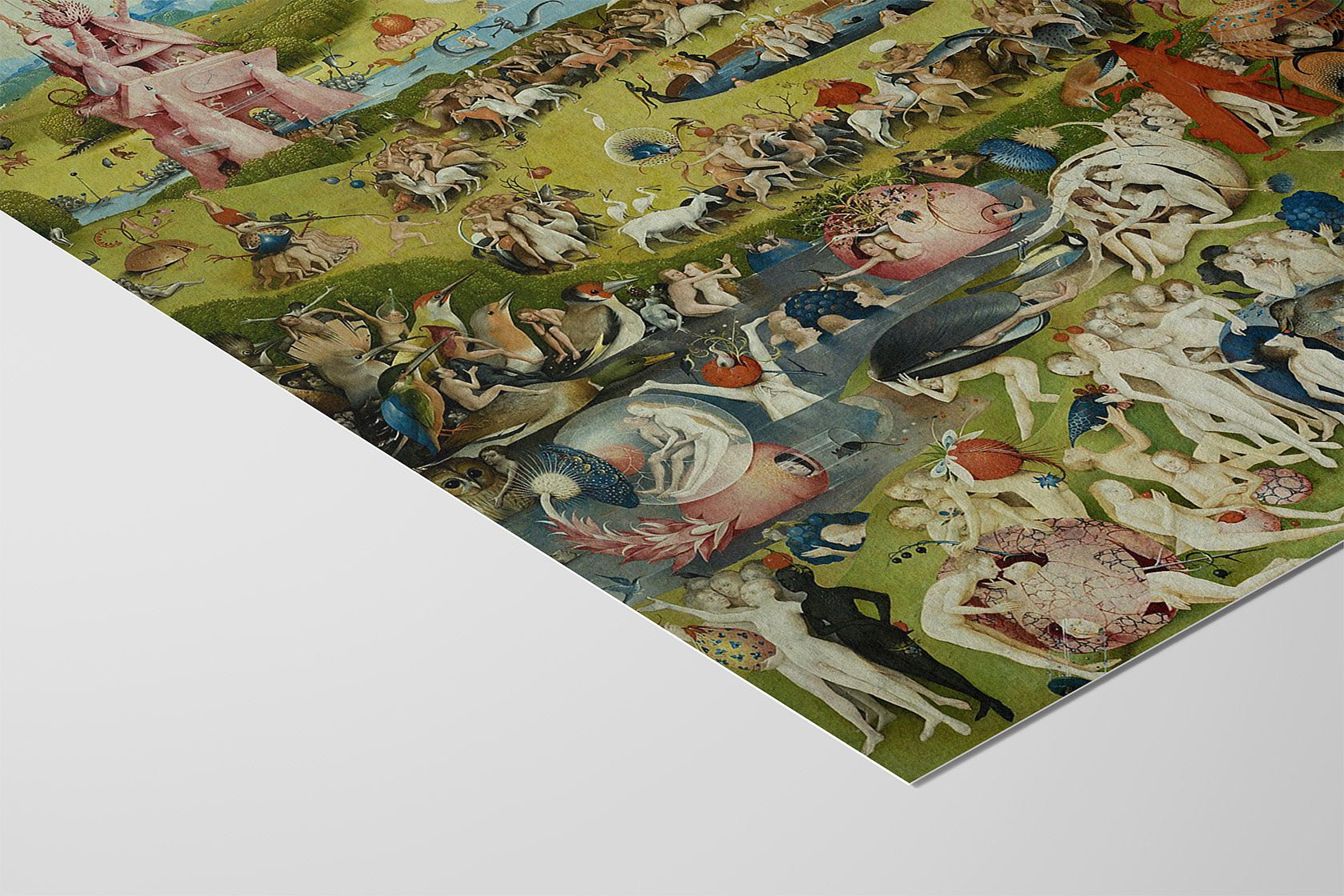
We produce every piece using a 12-ink pigment giclée process on Hahnemühle fine art paper — delivering exceptional depth, texture, and color accuracy designed to last a lifetime.
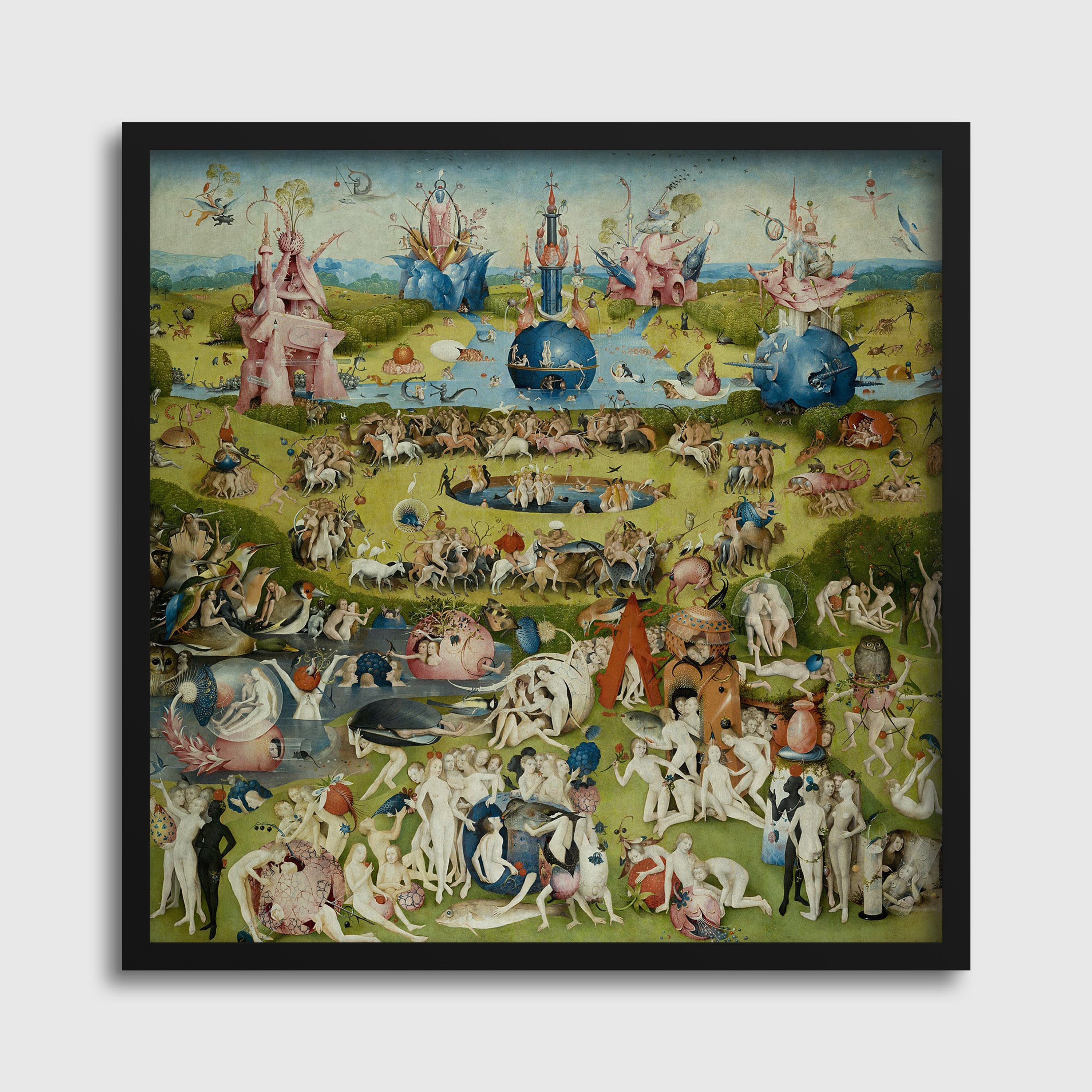

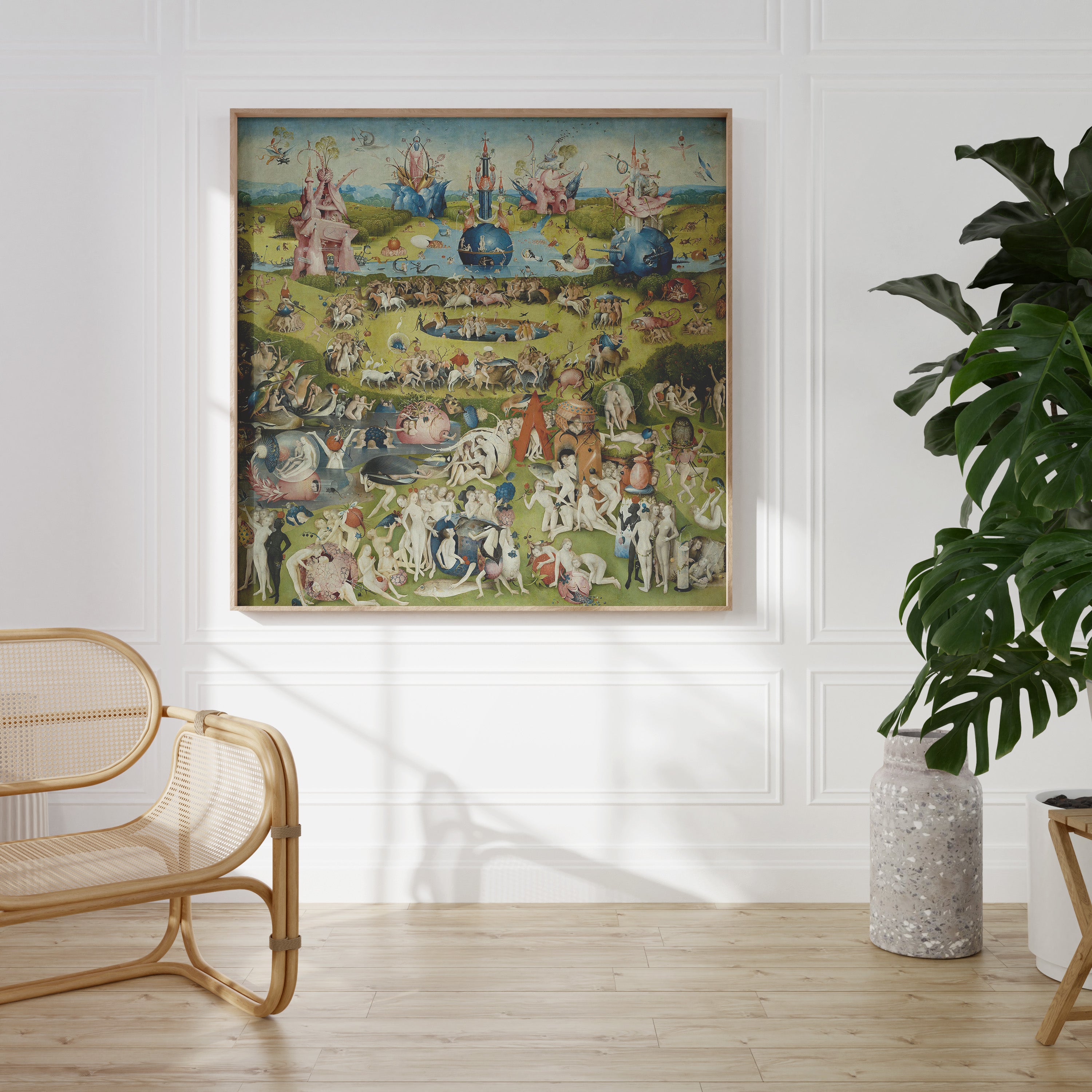
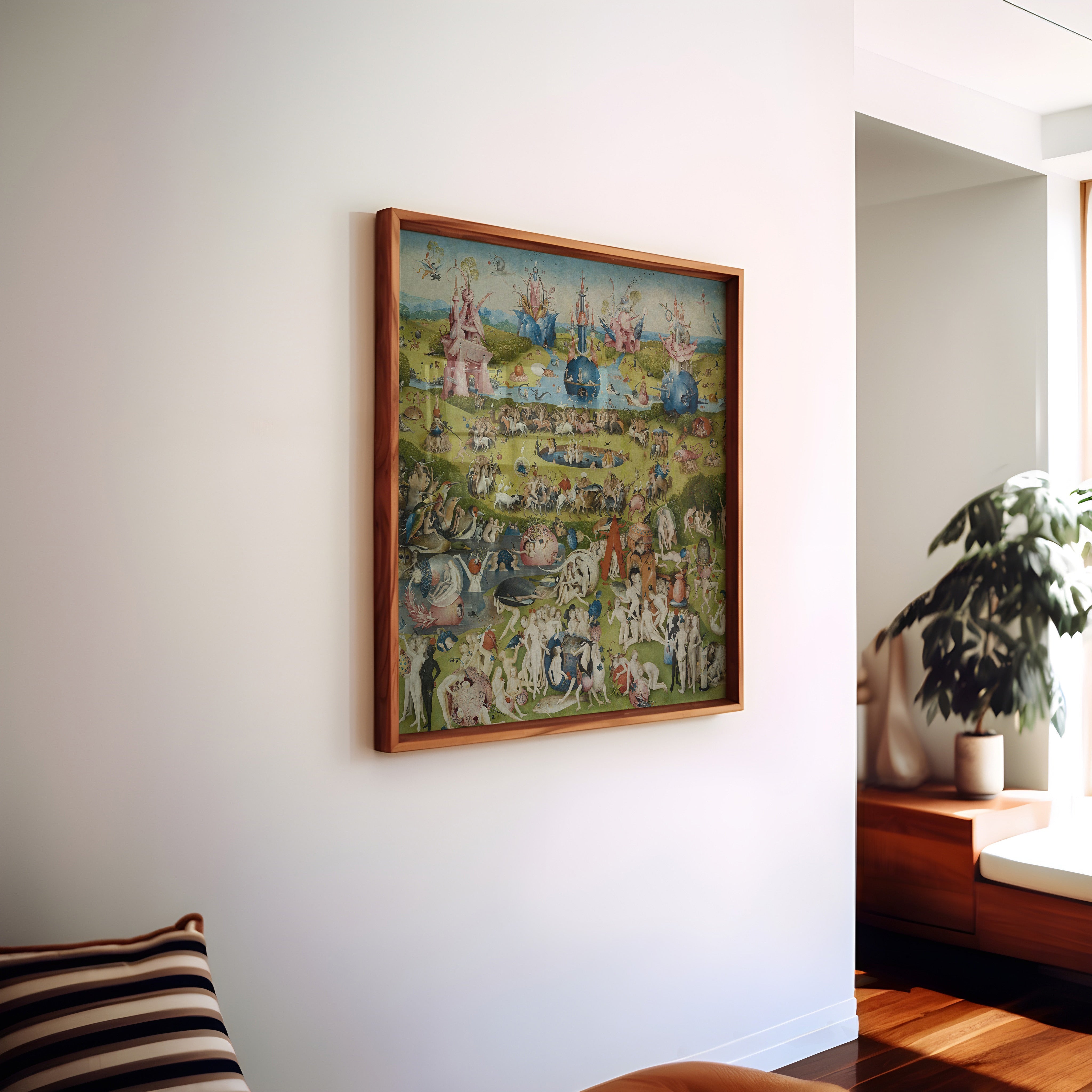
The Garden of Earthly Delights (Centre Panel)
Hieronymus Bosch
A Google Top Quality Store (Rated Exceptional)
Why this print is worth it
The Garden of Earthly Delights (Centre Panel) is produced as a true fine art print using archival pigment printing on premium paper — not mass-market poster stock.
Printed on Hahnemühle paper using a 12-ink giclée process, with solid wood framing options and low-reflection glazing on framed editions.
Unframed: best if you already have a framer or want the lowest entry price.
Framed: arrives ready to hang, with museum-style presentation and no extra decision-making later.
Free shipping, careful regional production, and a 30-day return policy make this substantially safer than buying unknown wall art online.
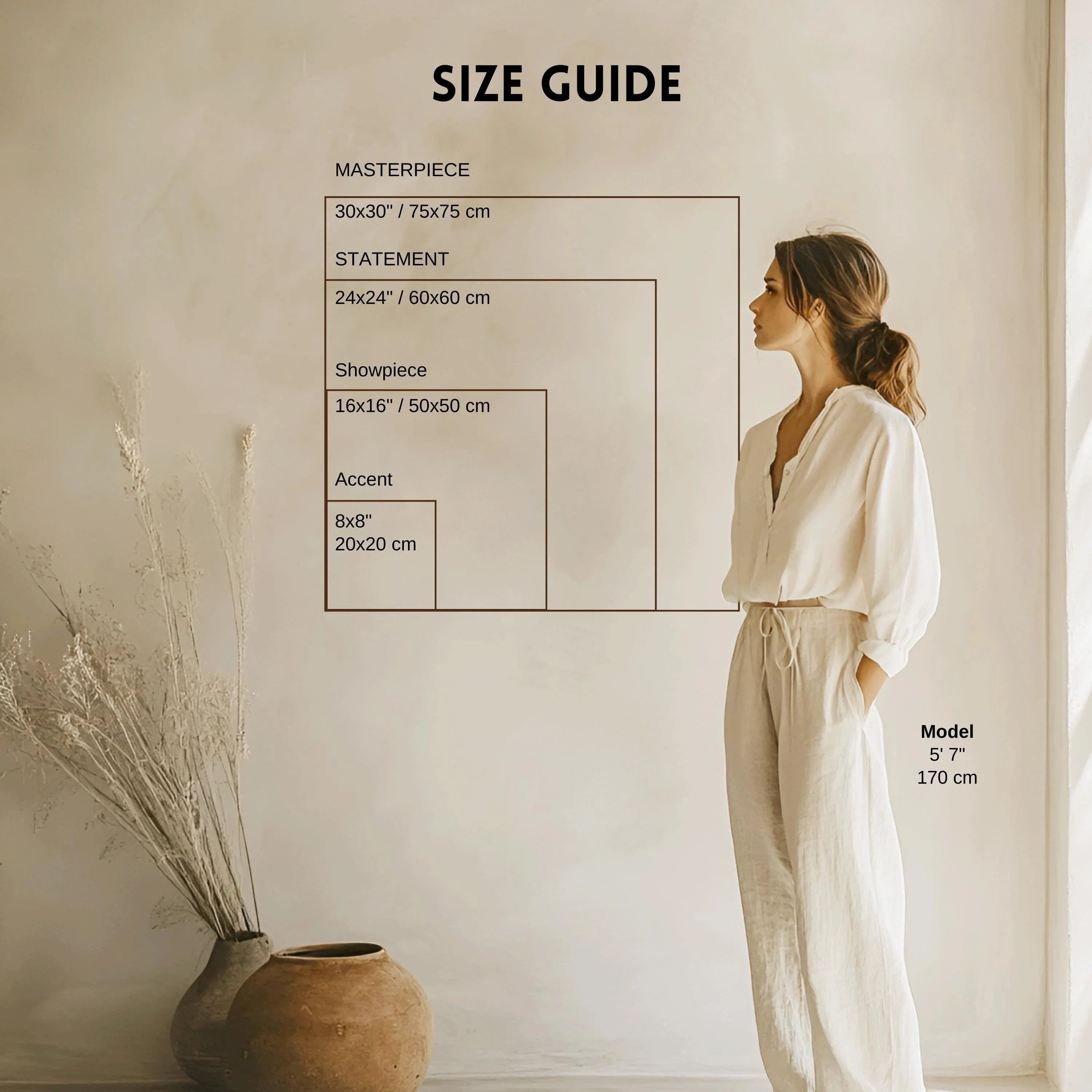
Most buyers choose based on wall width, furniture width, and whether they want an accent piece or a statement piece.
MATERIALS
- Paper: Premium Hahnemühle German Etching (310 gsm).
- Ink/Printing: 12-ink archival giclée process.
- Glazing: Low-reflection, shatter-proof 'motheye' acrylic.
- Hanging: Ready to hang (sawtooth hook).
- Framing Materials: Solid, sustainably harvested ash and oak wood frames made to order.
SHIPPING
- Fast, free shipping worldwide.
- Ships in 7 working days or less. Check your estimated delivery date on the product page.
- Local fulfilment in USA, UK, EU and Australia/New Zealand.
RETURNS
- If you're not entirely happy with your order, simply return it to us within 30 days for a replacement or full refund.
Vælg muligheder
Still have questions? Read our FAQ