The 3 Biggest Art Print Buying Regrets — and How to Avoid Them
This article is part of our Guide to Buying Fine Art Prints.
Most people do not regret buying art prints because they chose the wrong artwork.
More often, when people wish they had done something differently, it comes down to the decisions around the artwork: the size, the framing, and whether one print was enough.
This is not advice to always buy the biggest size, always order framed, or always buy multiple pieces. Sometimes a smaller print is right. Sometimes unframed is right. Sometimes one piece is exactly enough.
But after helping customers choose and live with art prints, we have noticed a pattern. When people do wish they had thought something through before ordering, the same three regrets come up again and again:
- “I should have gone bigger.”
- “I should have ordered it framed.”
- “I should have bought more than one.”
Think of this as a small pre-purchase warning. Not to pressure you into buying more, but to help you avoid the decisions people most often underestimate before the print arrives.
In brief: The three most common art print buying regrets are choosing too small a size, not ordering the print framed, and realizing later that a pair, trio, or second copy would have been useful. Avoid them by previewing the scale, deciding whether you want flexibility or completion, and thinking about whether the print should stand alone or belong to a group.
Quick Answer: What Should You Think About Before Ordering?
| Common regret | Why it happens | How to avoid it |
|---|---|---|
| “I should have gone bigger.” | People often underestimate how small a print will look once it is on a real wall. | Measure the wall, consider the furniture beneath it, and use AR or wall-preview tools where available. |
| “I should have ordered it framed.” | Local framing can take more time, money, and decision-making than expected. | Choose framed if you want the piece to arrive ready to hang. |
| “I should have bought more than one.” | One print may feel lonely on a larger wall, or the buyer realizes later that the piece would have made a good pair, trio, or gift. | Consider art sets, statement duos, trios, or a second unframed copy before you order. |
Regret 1: “I Should Have Gone Bigger”
This may be the most common art print regret.
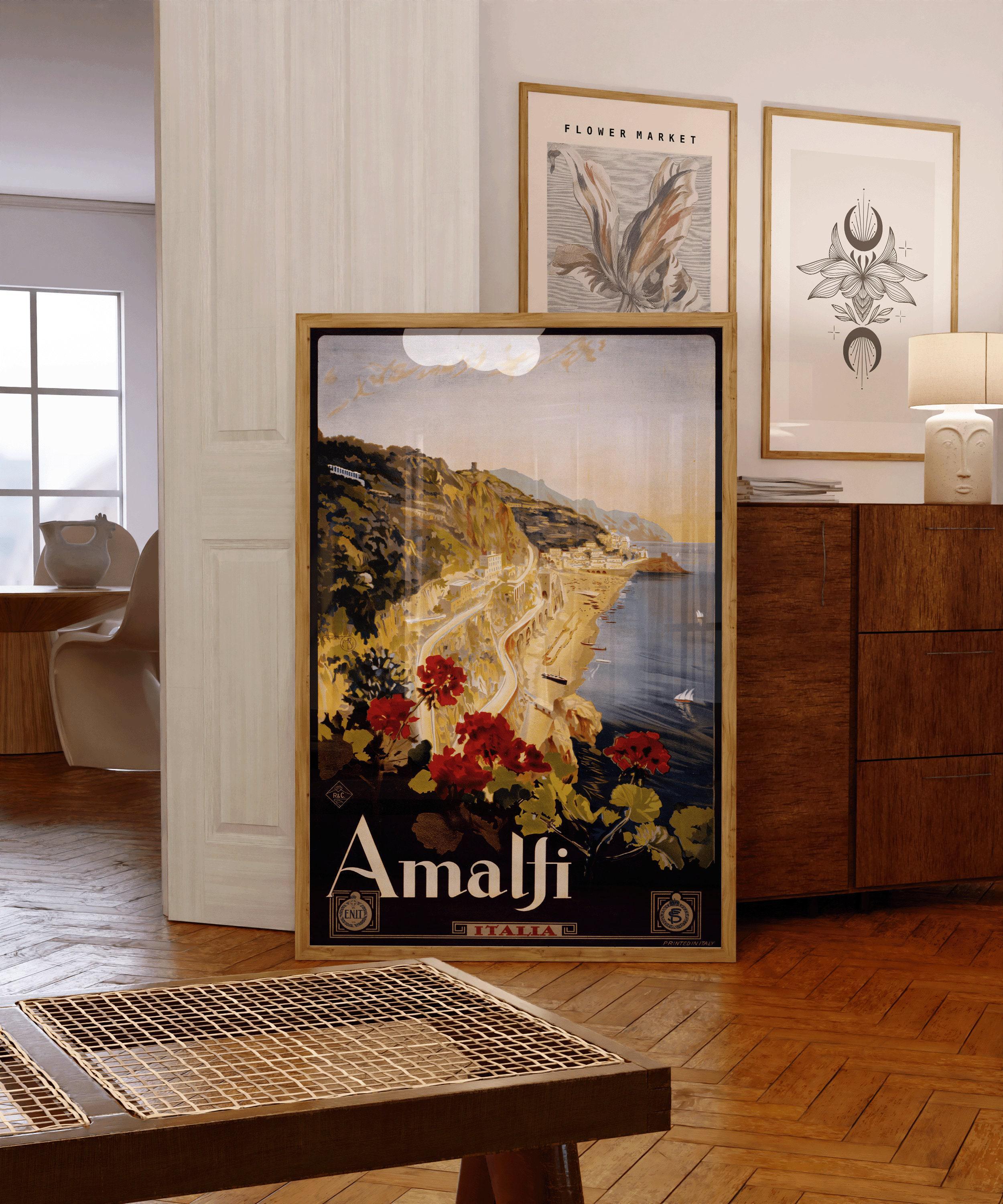
A print can look large on a product page, but modest once it is placed above a sofa, bed, dining table, console, or fireplace.
That is because people usually shop by the image first. They see the artwork, fall in love with it, and then choose a size without fully imagining how the finished piece will sit on the wall.
But walls are bigger than they feel online.
A print that looks generous in isolation can feel too small once it has to relate to furniture, ceiling height, surrounding blank space, and viewing distance.
The regret is rarely that the print is too large. More often, people realize the artwork would have had more presence one size up.
Why Size Regret Happens
Size regret usually happens for a few reasons:
- The buyer chooses based on price rather than wall scale.
- The product photo makes the print feel larger than the actual dimensions.
- The wall is wider or taller than expected.
- The print is going above furniture and needs more visual weight.
- The buyer wants the print to anchor the room, but chooses a size better suited to a smaller accent wall.
This does not mean bigger is always better.
A smaller print can work beautifully in a hallway, reading corner, shelf arrangement, powder room, desk area, or narrow wall. But if the print is meant to become the main artwork in a room, scale matters.
How to Avoid Size Regret
Before ordering, ask one question:
Is this print meant to fill a spot, or anchor the room?
If it is filling a small spot, a modest size may be perfect.
If it is anchoring a room, consider going larger.
A useful rule for art above furniture is that the artwork often looks best when it spans roughly 60–75% of the furniture’s width. That does not have to be exact, but it is a good way to avoid the “too small above the sofa” problem.
Also consider the shape of the artwork. A tall vertical print, a square print, a panoramic print, and a wide landscape will all behave differently on the same wall.
This is where previewing the print helps. At 9 Art Prints, many of our products include AR wall-preview functionality, allowing you to see how a print may look in your own room before you order. We also offer oversized and statement-size options for buyers who want the artwork to have real presence.
If you are unsure, use the preview tools where available, measure your wall, and compare the print size to the furniture below it.
For more detail, read Fine Art Print Size Guide: How Big Should Your Print Be? and What Art Print Size Should I Buy for My Sofa, Bed, or Dining Room Wall?.
Regret 2: “I Should Have Ordered It Framed”
Unframed prints make sense for many buyers.
They are easier to store, easier to gift, and more flexible if you already have a specific frame in mind. They also make sense if you want to use a local framer or match a print to other artworks in your home.
But unframed prints also come with one hidden cost: the job is not finished when the print arrives.
You still have to choose the frame. Choose the color. Decide on matting. Decide on glazing. Find a framer or order a frame. Wait for it. Pick it up. Hang it.
That may be worth it if you want full control.
But if you already know you want the print on the wall quickly, ordering framed can be the simpler decision.
Unframed gives you control. Framed gives you completion.
Why Framing Regret Happens
Framing regret usually happens after the print arrives.
The buyer opens the print, loves it, and then realizes there is another project ahead: finding the right frame.
That project can take longer than expected.
- The right frame size may not be easy to find.
- The buyer may not know whether to choose black, white, natural wood, walnut, gold, or silver.
- The print may need matting.
- The buyer may not know which glazing to choose.
- Custom framing may cost more than expected.
- The print may sit unframed for weeks or months.
None of this means unframed is wrong.
It simply means that if your goal is a ready-to-hang finished object, framed is often the more direct path.
How to Avoid Framing Regret
Before ordering unframed, ask yourself:
Am I realistically going to frame this soon?
If the answer is yes, unframed can be the right choice.
If the answer is “probably not,” framed may save you time, effort, and decision fatigue.
At 9 Art Prints, our framed prints are designed to arrive ready to hang. Our frames are made from solid wood, not MDF, and crafted by Guild-certified framers. Eligible premium framed prints also use Moth-Eye Perspex glazing, a low-reflection acrylic glazing designed to create a cleaner, near “no-glass” viewing effect.
That matters because framing is not just decoration. It changes the finished object. It affects how substantial the piece feels, how protected it is, how much glare you see, and how quickly the print can become part of the room.
If you want flexibility, choose unframed.
If you want completion, choose framed.
For more detail, read Should I Buy Framed or Unframed Art Prints? and How to Frame Art Prints in 4 Easy Steps.
Regret 3: “I Should Have Bought More Than One”
This regret is less obvious, but it comes up more often than people expect.
A buyer orders one print, receives it, loves it, and then realizes one of three things:
- The wall would look better with a second related piece.
- The artwork would have made a perfect gift for someone else.
- The buyer likes the artist, color palette, or period enough to build a small group.
Sometimes the regret is not buying the wrong print.
It is realizing the print needed company.
Why One-Print Regret Happens
Some artworks are strong enough to stand alone.
A large statement print above a sofa, bed, or dining wall may not need anything else.
But many rooms benefit from relationships between pieces: a pair, a trio, or a small set with shared color, artist, period, mood, or subject.
For example:
- Two Japanese woodblock prints can create calm rhythm.
- Two vintage posters can make a hallway feel collected.
- A trio of Bauhaus prints can make a home office feel designed.
- Two botanical or landscape prints can balance a bedroom.
- A second unframed copy can become a future gift if someone immediately loves the piece.
One print can be enough.
But if the wall is wide, if the room needs rhythm, or if you have found an artist or style you genuinely love, it is worth asking whether the print should belong to a group.
How to Avoid the One-Print Regret
Before ordering, ask:
Should this print stand alone, or would it be stronger as part of a pair or set?
If the artwork is large, central, and visually strong, one piece may be perfect.
If the wall is wide, narrow, awkward, or visually unfinished, a pair or trio may solve the room better.
At 9 Art Prints, we offer ready-made statement duos and trios for buyers who want a finished pairing without having to build one from scratch. We also offer multi-piece discounts when customers buy two or three pieces, so building your own combination is easier.
A pair does not have to match exactly.
It only needs a shared logic. The prints might share:
- the same artist
- the same movement or period
- a related color palette
- a similar subject
- the same frame style
- a strong contrast that feels deliberate
For more guidance, read The Art of Art Sets.
A Simple Pre-Purchase Checklist
Before you order, pause for two minutes and ask these questions:
- Is this print meant to fill a small spot or anchor the room?
- Have I measured the wall and nearby furniture?
- Would one size larger look more intentional?
- Can I preview the print on my wall before ordering?
- Do I want the flexibility of unframed or the ease of ready-to-hang framed?
- Am I realistically going to frame it soon myself?
- Would this artwork work better as a pair or trio?
- Is there another piece by the same artist or in the same style that would complete the wall?
- Would a second unframed copy make sense as a future gift?
The point is not to always choose the largest, most expensive, or most elaborate option.
The point is to imagine the finished object before it arrives.
Where 9 Art Prints Fits
9 Art Prints is built around the idea that an art print is not just an image. It is a finished object in a room.
That is why we offer:
- AR wall previews on many products, so you can better judge scale before ordering
- oversized and statement-size options for buyers who want the artwork to anchor a room
- framed and unframed formats, depending on whether you want flexibility or completion
- solid wood frames, not MDF
- Guild-certified framing
- Moth-Eye Perspex glazing on eligible premium framed prints
- statement duos and trios for walls that need more than one piece
- multi-piece discounts when buying two or three works
Those features exist because the most important decisions often happen before the print is made: size, framing, and whether the artwork should stand alone or belong to a group.
The Bottom Line
The biggest art print buying regrets are usually not about the artwork itself.
They are about the decisions around the artwork.
People often wish they had gone bigger. They often wish they had ordered it framed. And sometimes they wish they had bought a second piece, a pair, or a trio while they were already choosing.
You do not always need to do those things.
But you should think about them before you order.
A great print deserves the right size, the right presentation, and the right place on the wall.
Further Reading
- The Ultimate Guide to Fine Art Prints
- Fine Art Print Size Guide: How Big Should Your Print Be?
- What Art Print Size Should I Buy for My Sofa, Bed, or Dining Room Wall?
- Should I Buy Framed or Unframed Art Prints?
- How to Frame Art Prints in 4 Easy Steps
- Buy Art Prints Like a Pro: 5 Terms You Should Know
- The Art of Art Sets