Artist · 51 prints
Jean-Léon Gérôme Prints
About Jean-Léon Gérôme
Jean-Léon Gérôme was a French painter and sculptor, born in Vesoul on 11 May 1824, the son of a goldsmith, and died in Paris on 10 January 1904. He trained in Paris with the history painter Paul Delaroche and became one of the most successful and influential artists in the city.
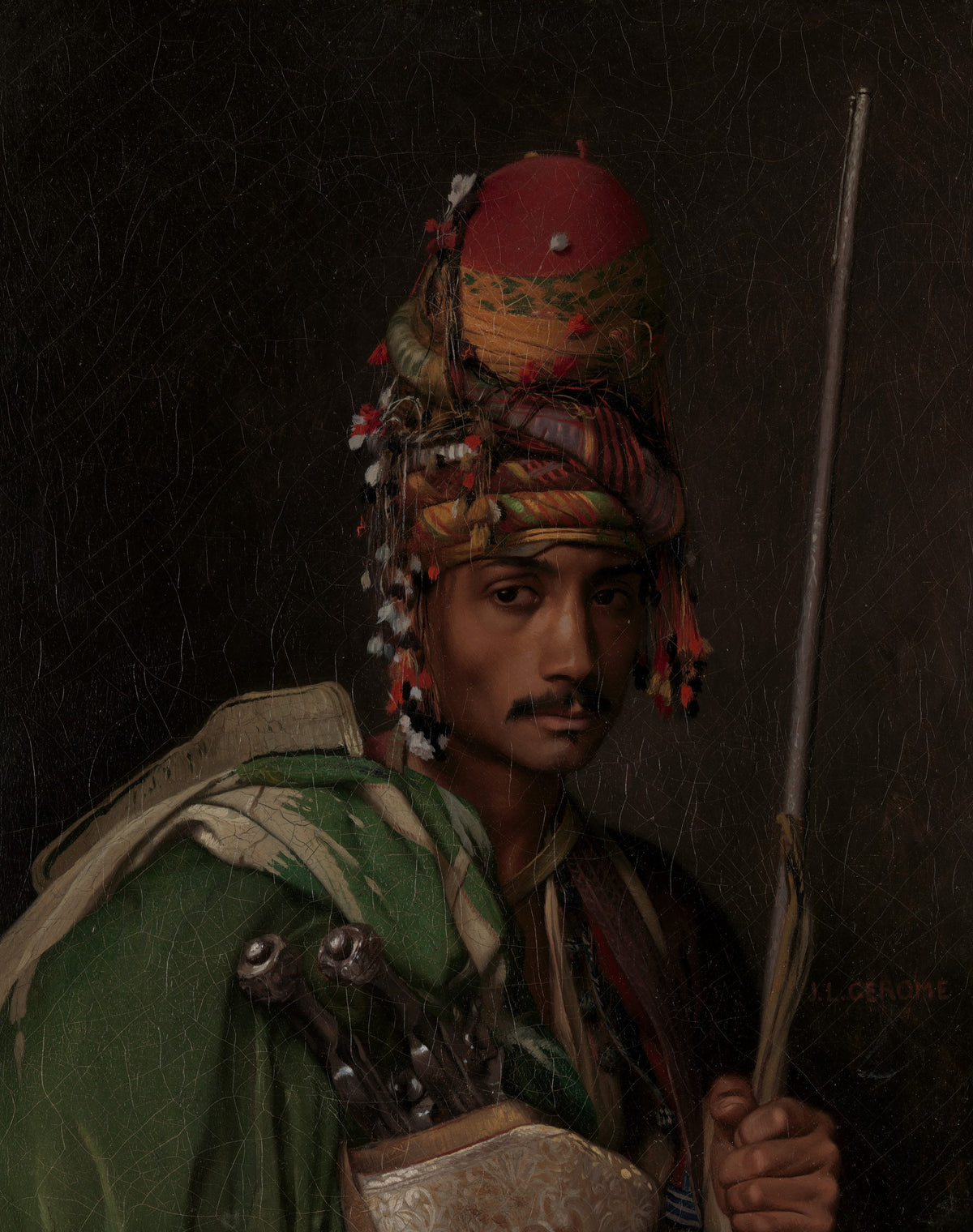
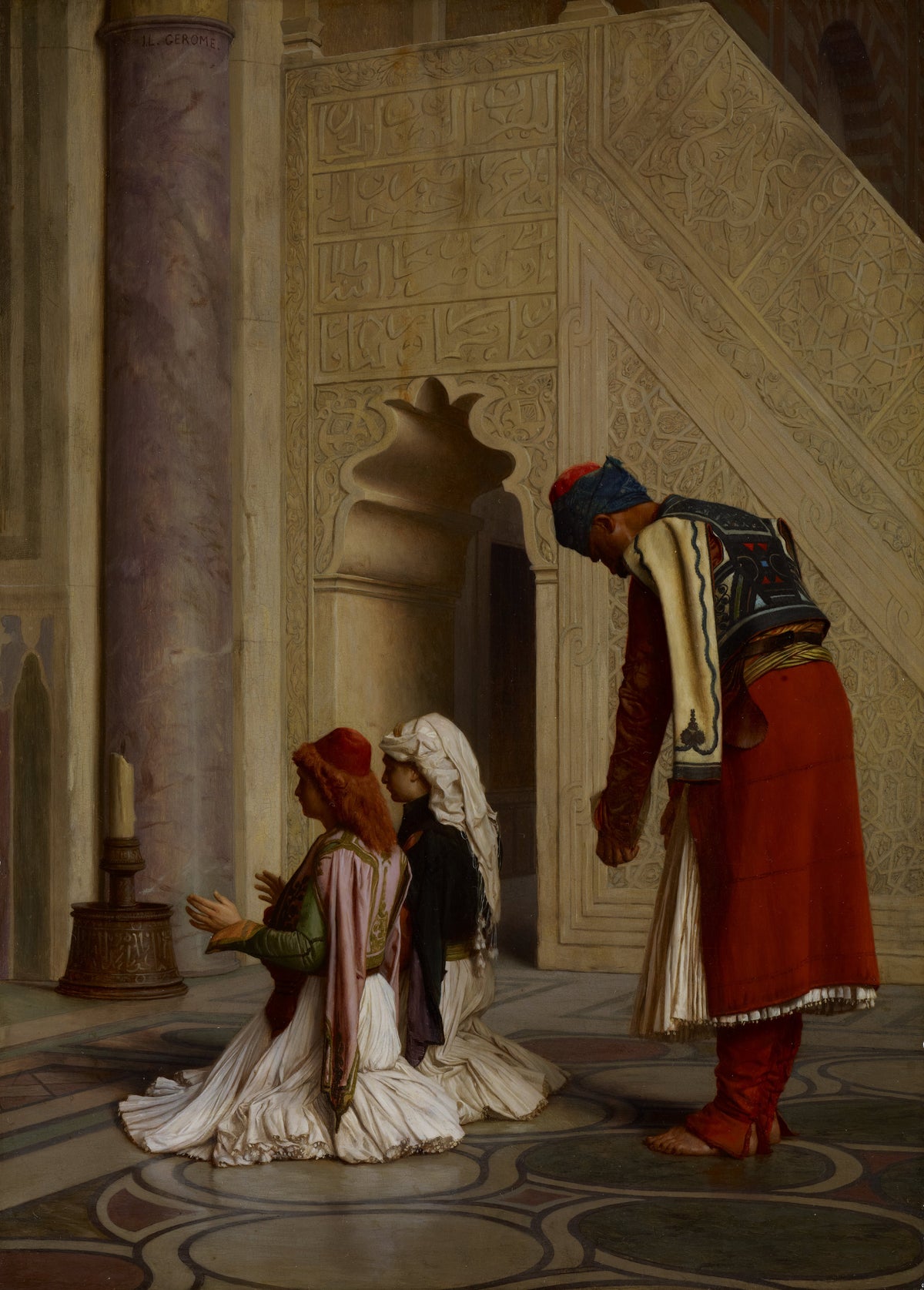
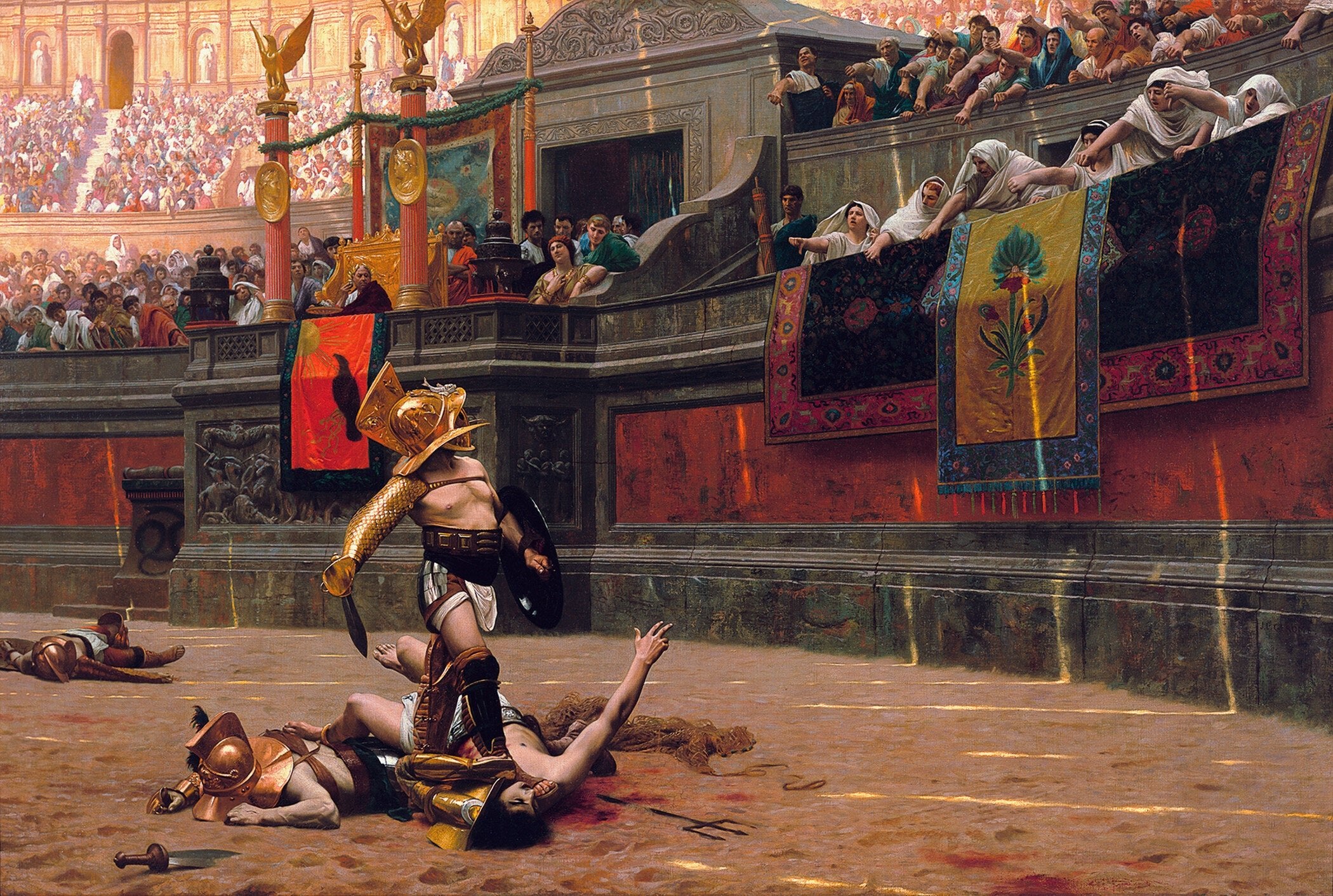
Gérôme is known for highly polished, carefully detailed scenes from ancient history, myth and the Middle East. A journey to Egypt in 1856 opened up the subjects that made him a leading Orientalist painter, as in Prayer in the Mosque of 'Amr, Old Cairo (about 1860). Other well-known works include Ave Caesar! Morituri te salutant (1859) and Pygmalion and Galatea (about 1890). As a professor at the École des Beaux-Arts he taught generations of students, among them Thomas Eakins and Odilon Redon. In his last twenty-five years Jean-Léon Gérôme concentrated on sculpture.
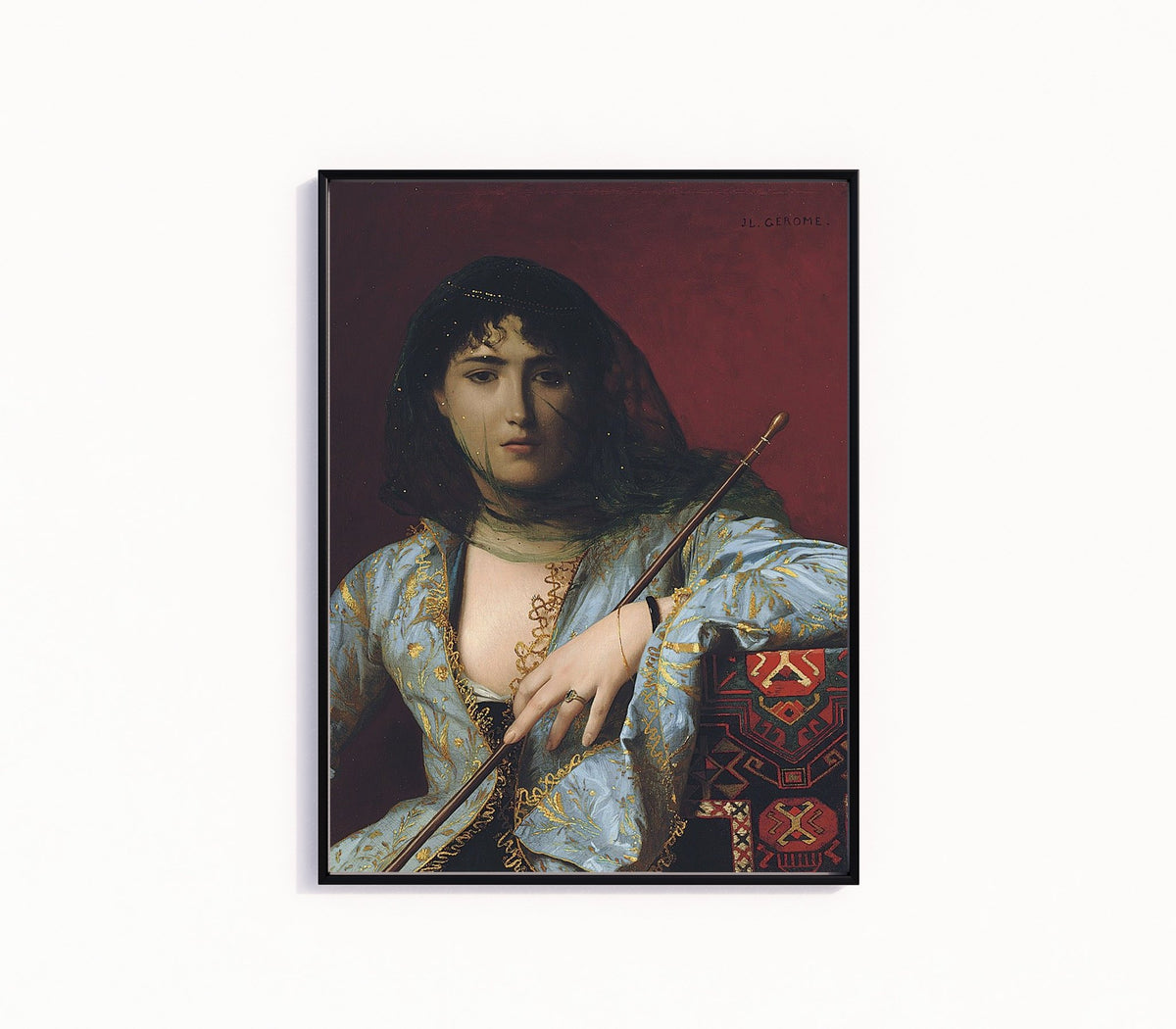
Jean-Léon Gérôme prints: reproductions of the history paintings and Orientalist scenes French painter Jean-Léon Gérôme made between 1857 and 1890. The collection includes Pollice Verso (1872), Bonaparte Before the Sphinx (1867), Prayer in the Mosque (1871), The Carpet Merchant (1887) and Lion on the Watch (1885).
This selection centres on Gérôme's scenes of Egypt and the Ottoman world: mosques and prayer, Cairo markets, bazaars and cafés, soldiers, guards and desert riders. Alongside these are his scenes from ancient Rome and history, such as The Death of Caesar and The Christian Martyrs' Last Prayer, and a small group of lions and tigers. The paintings are highly detailed and smoothly finished, with strong desert light, sand and stone tones, and rich textiles.
The desert and market scenes suit living rooms, dining rooms and studies with warm colour schemes; the large history paintings work above a sofa, sideboard or fireplace. All prints are museum-quality reproductions, available unframed or framed with acrylic glazing, with free shipping and import duties covered.