Collection · 37 prints
Giants
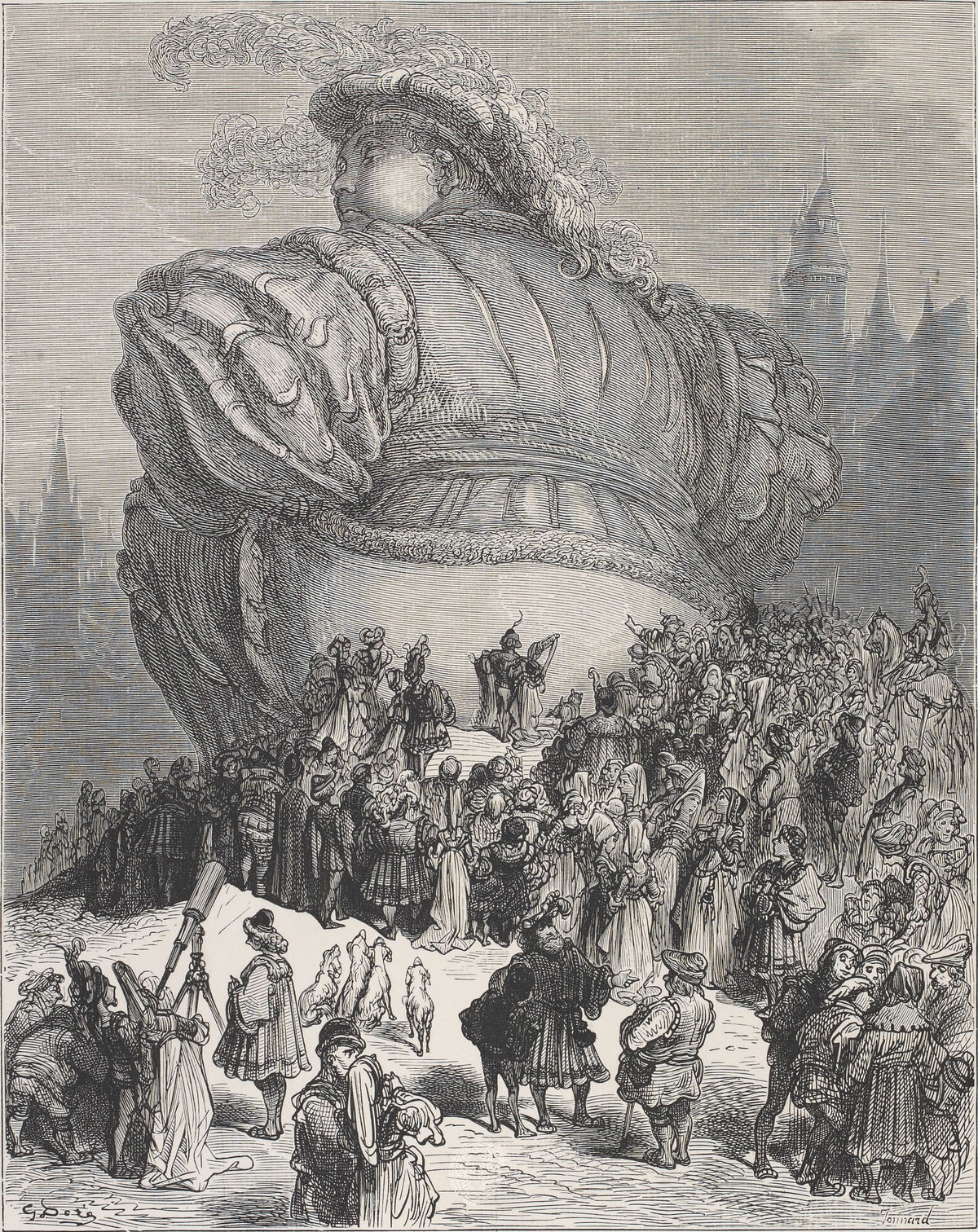
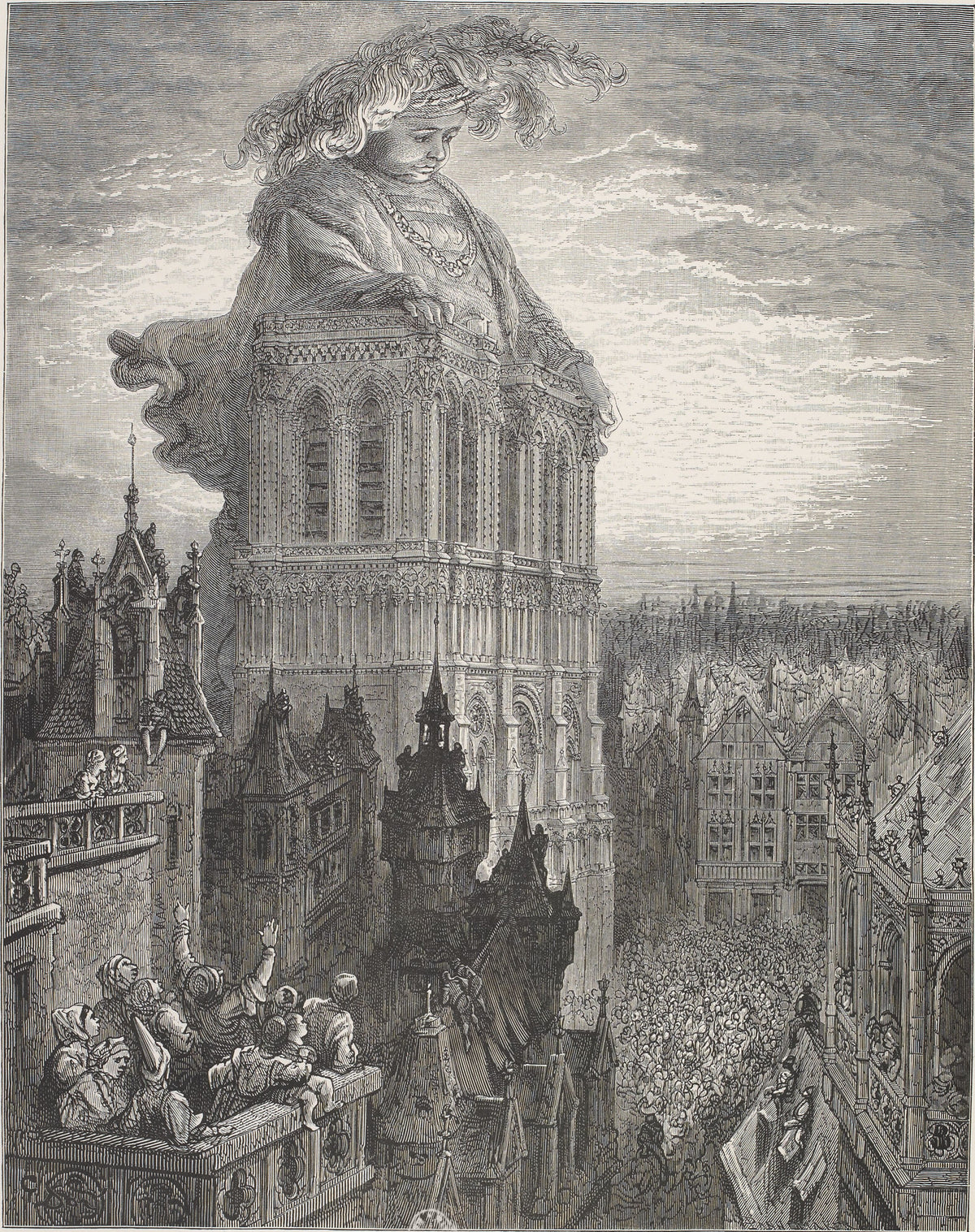
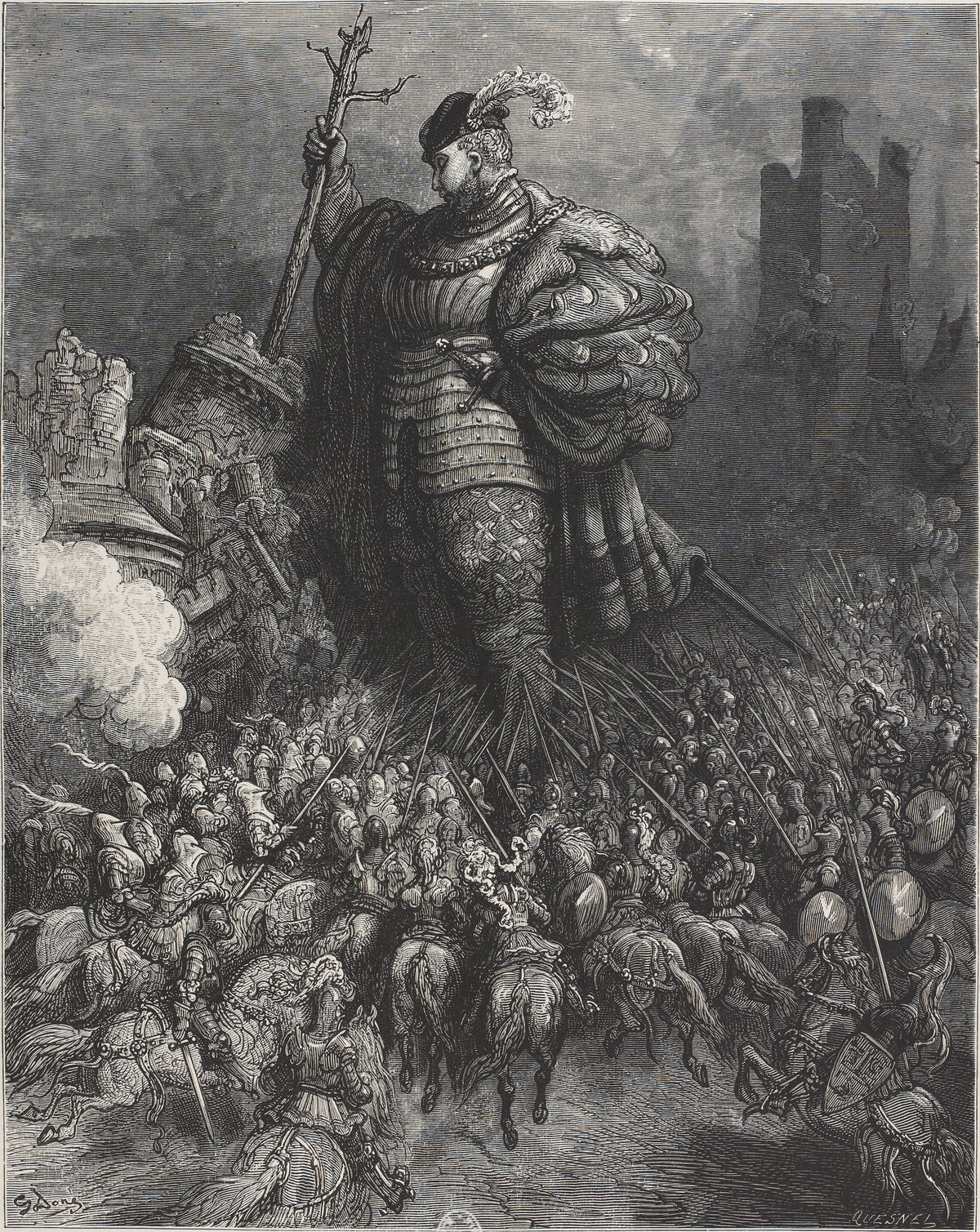
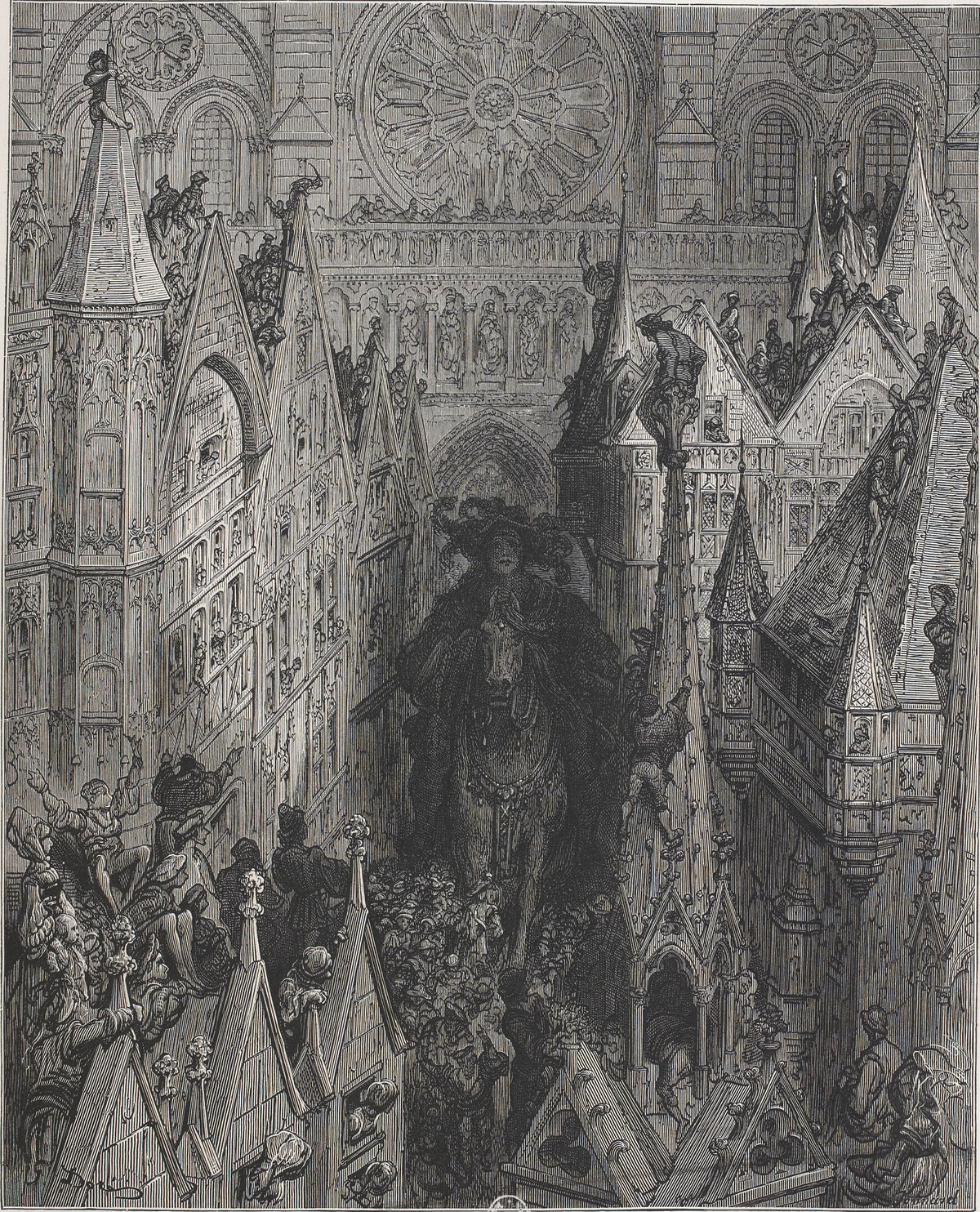
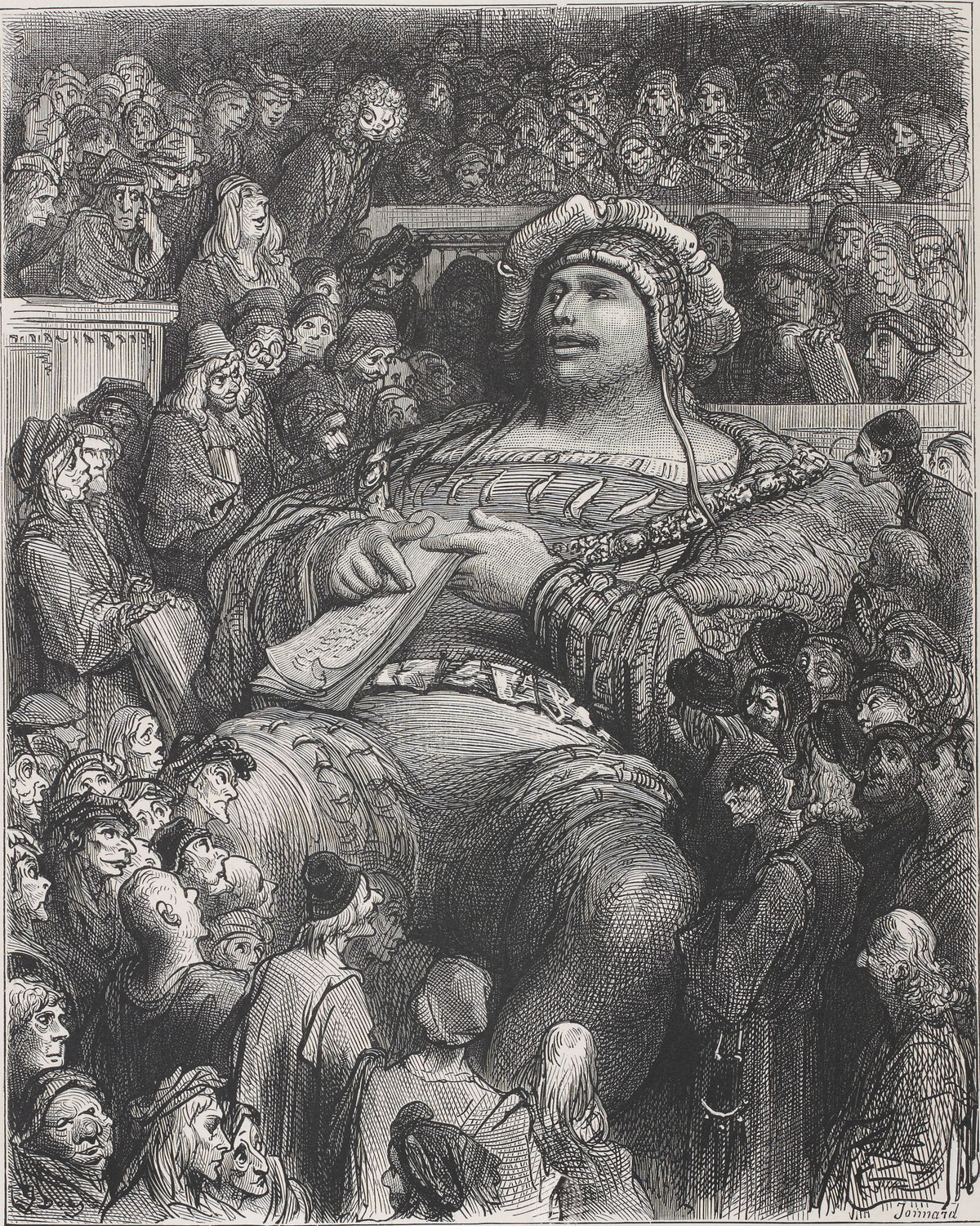
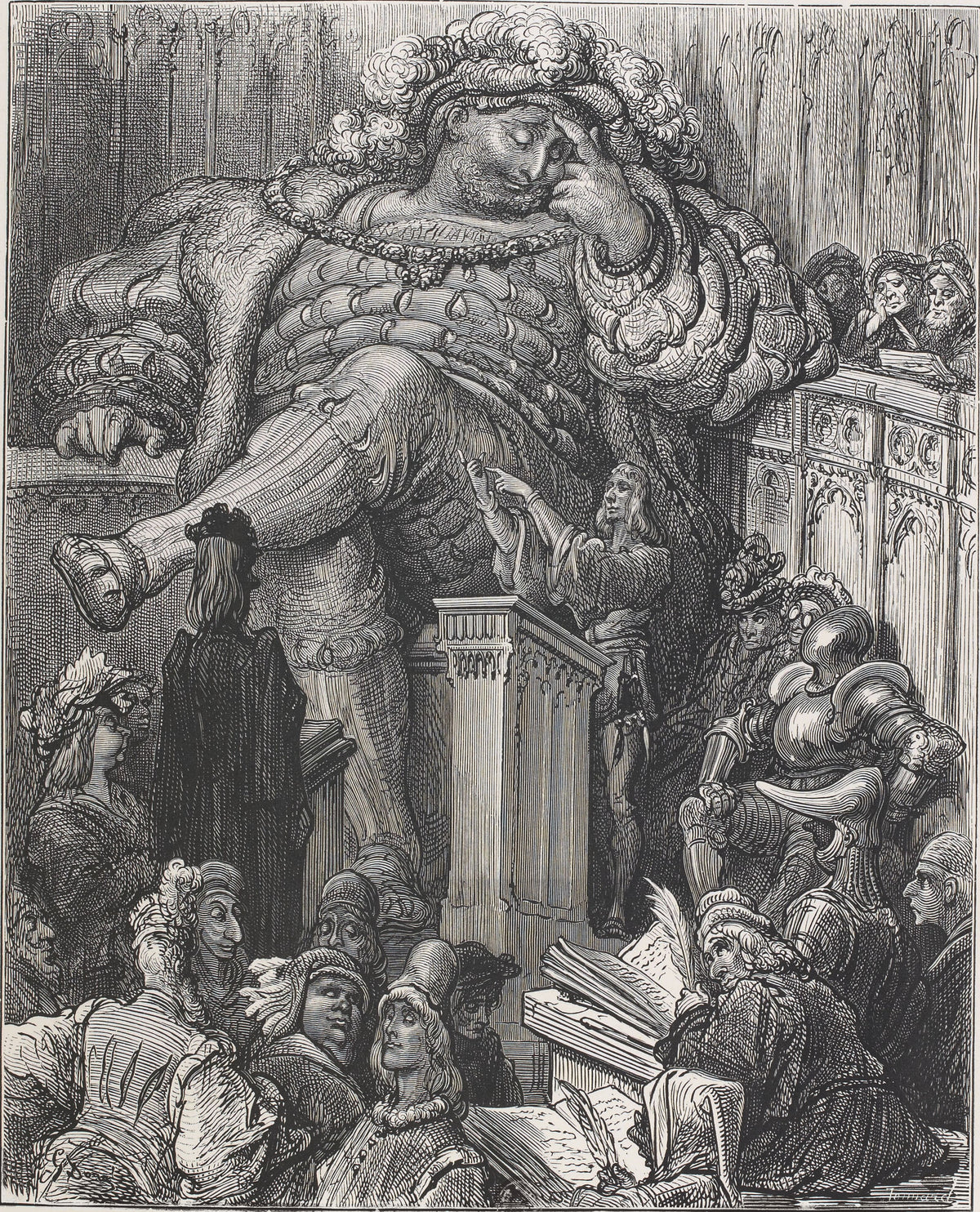
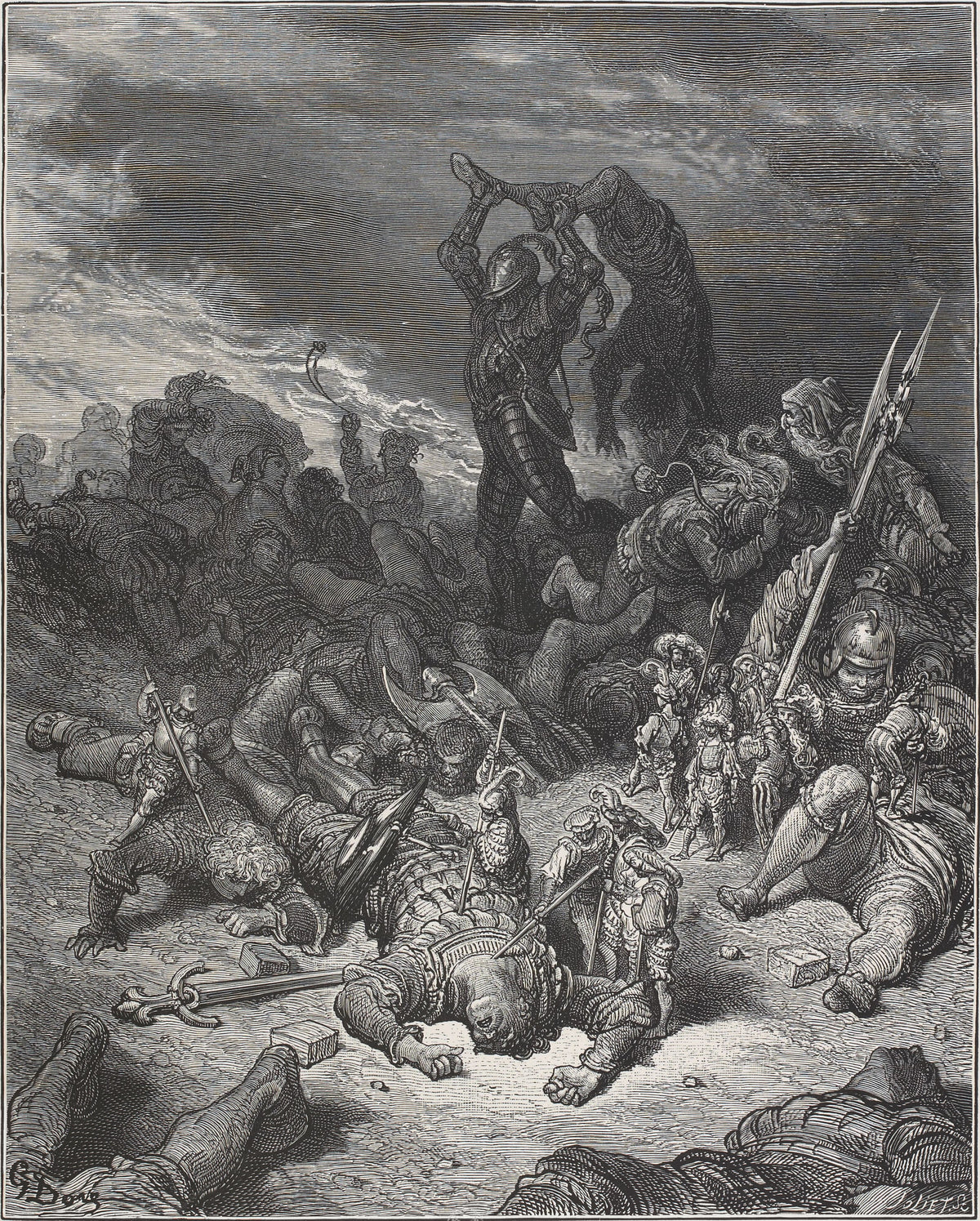
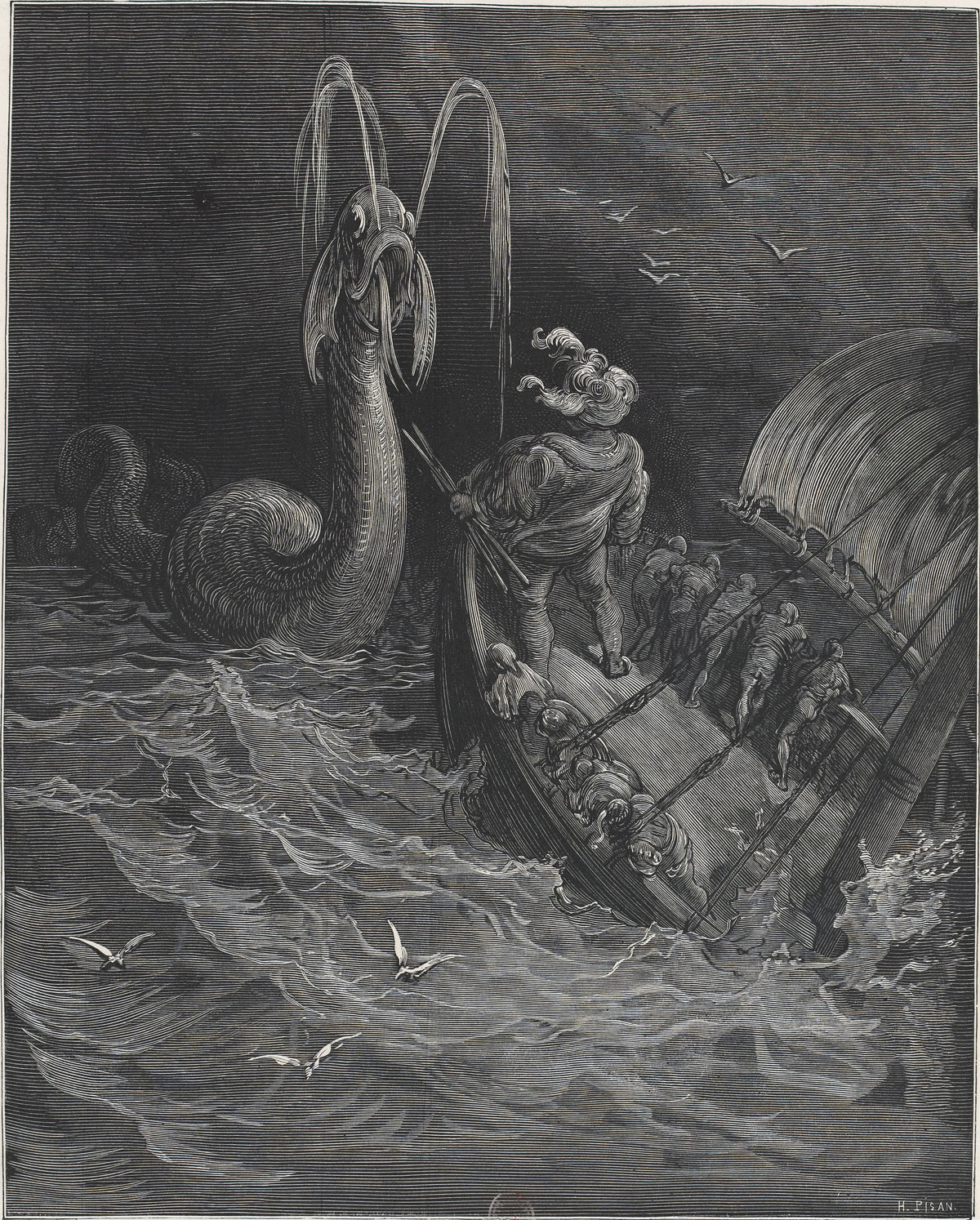
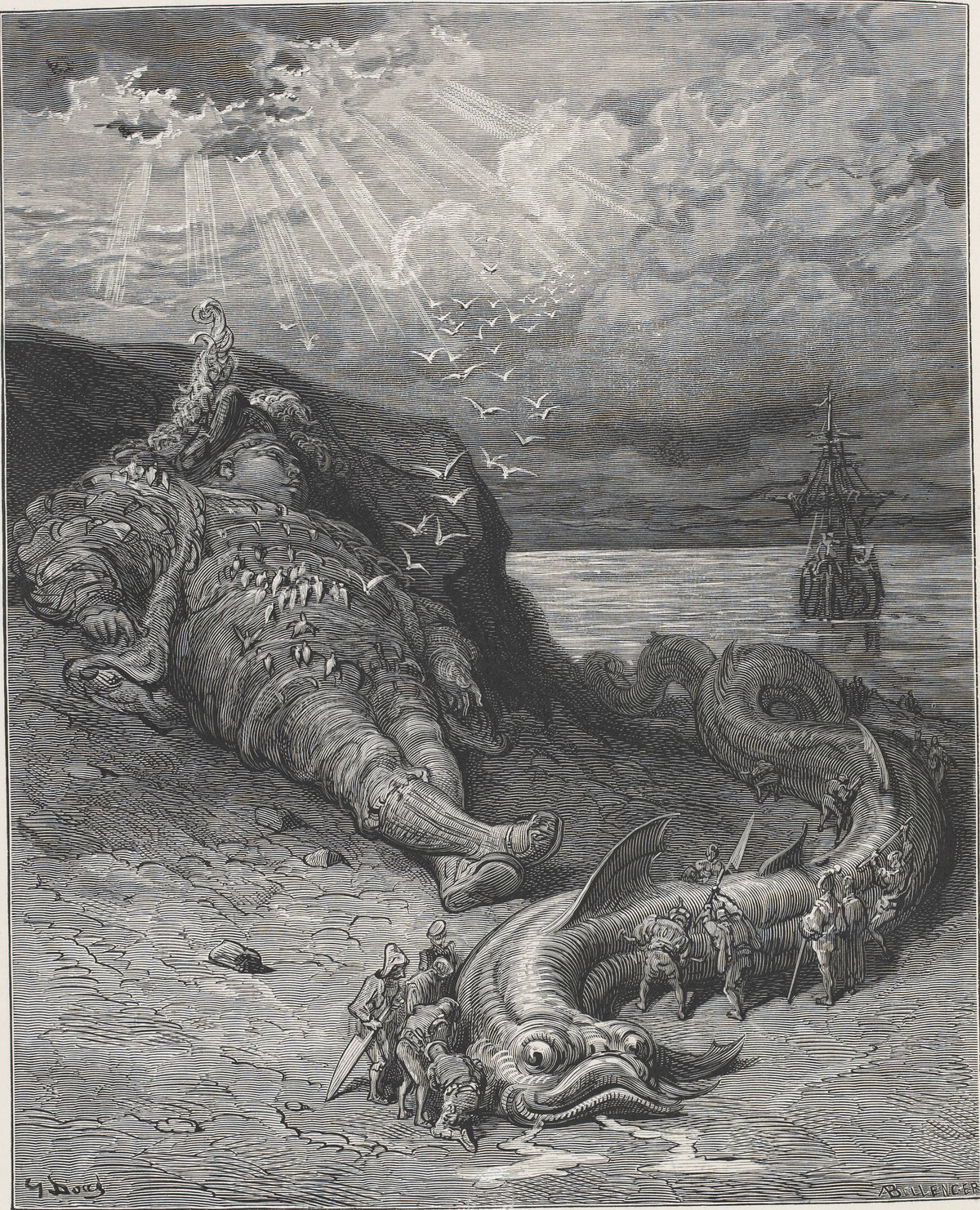
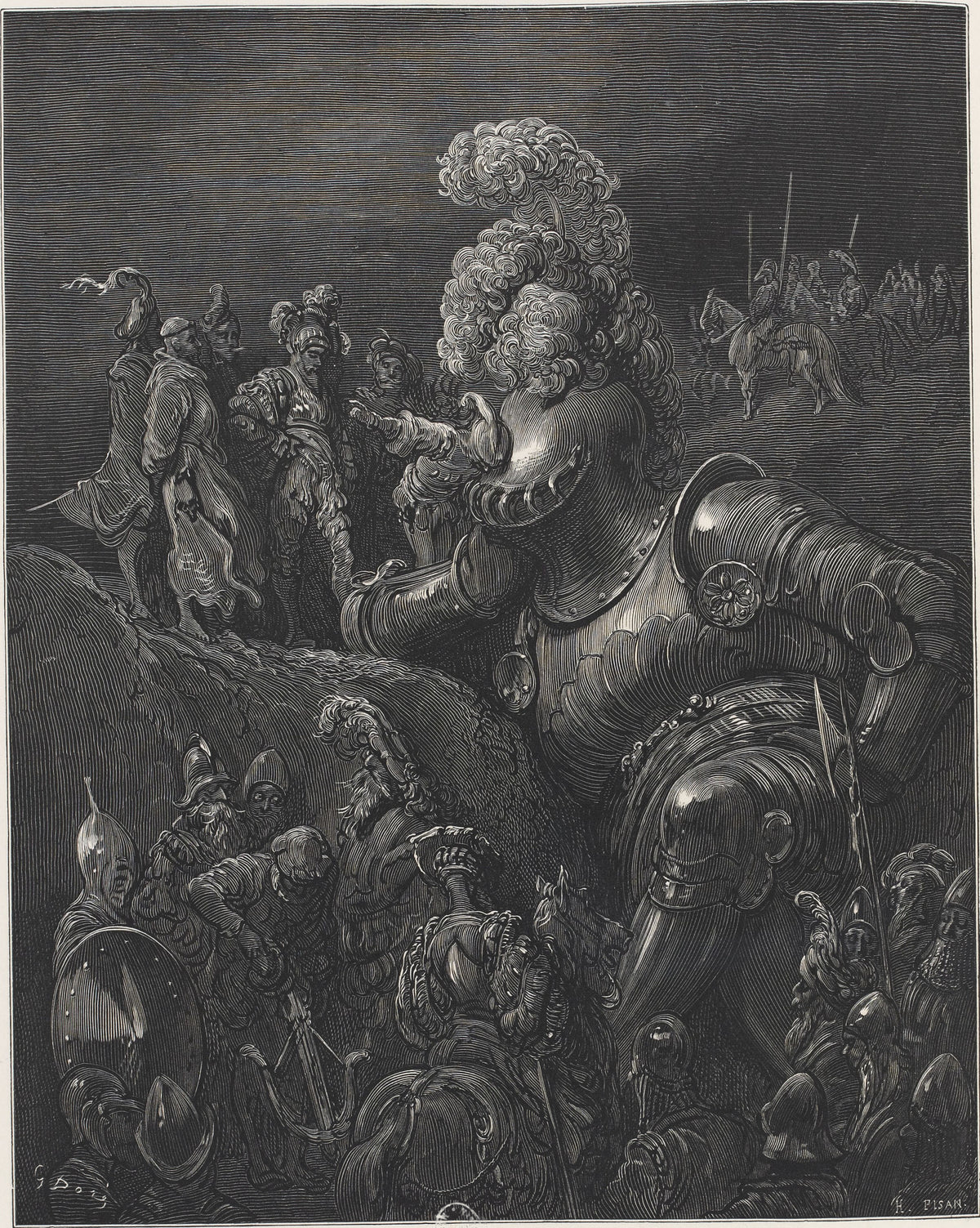
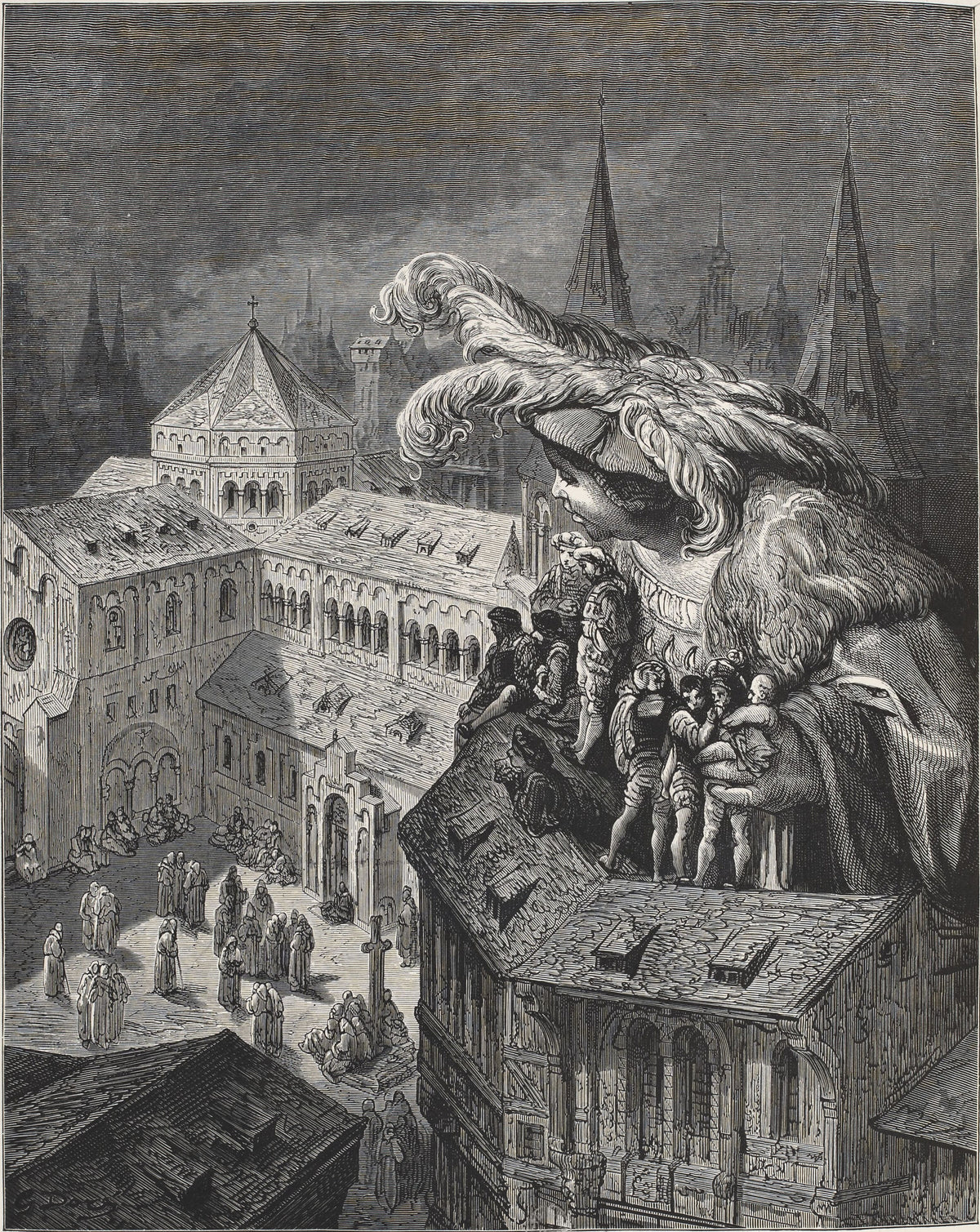
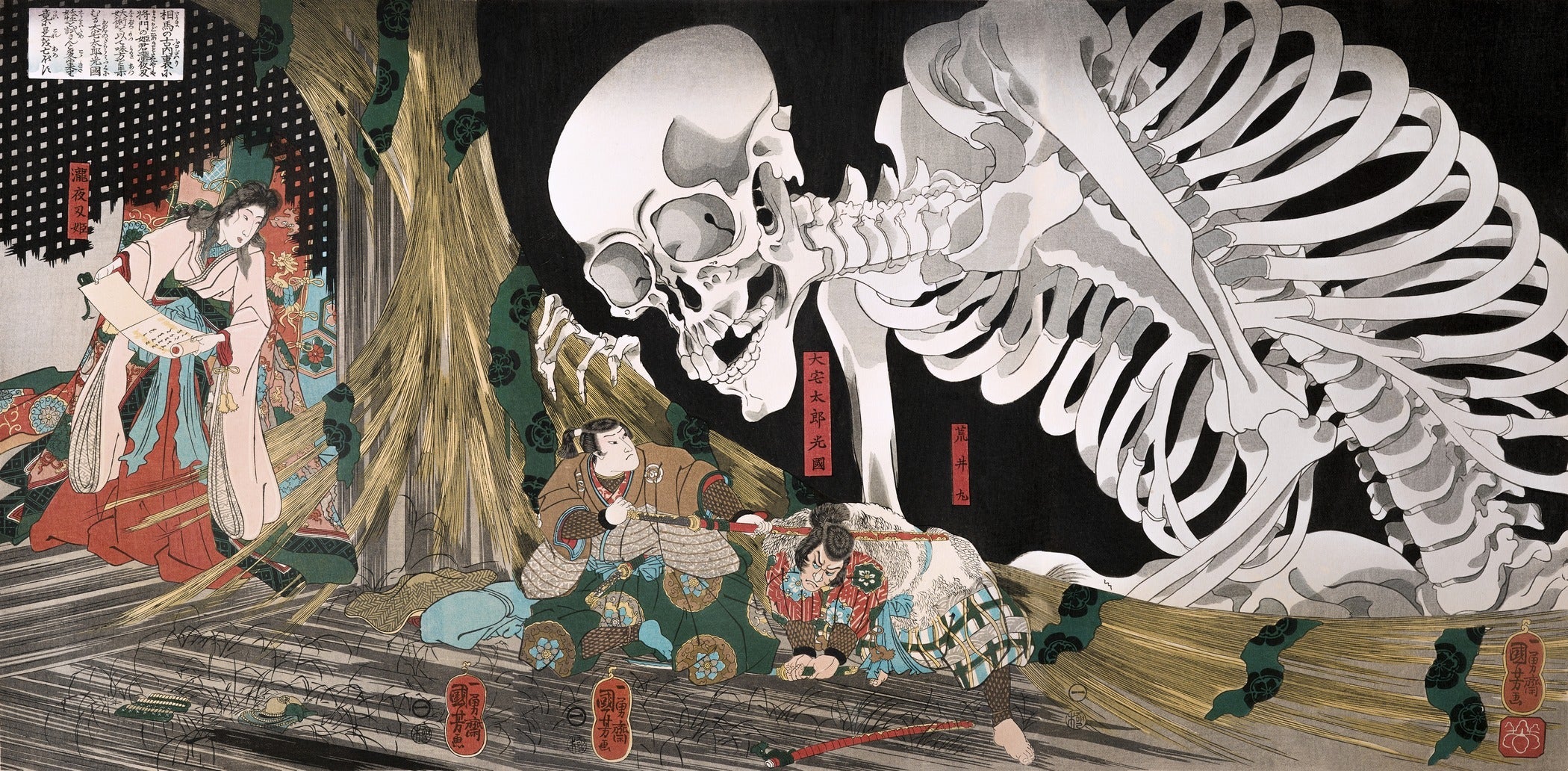
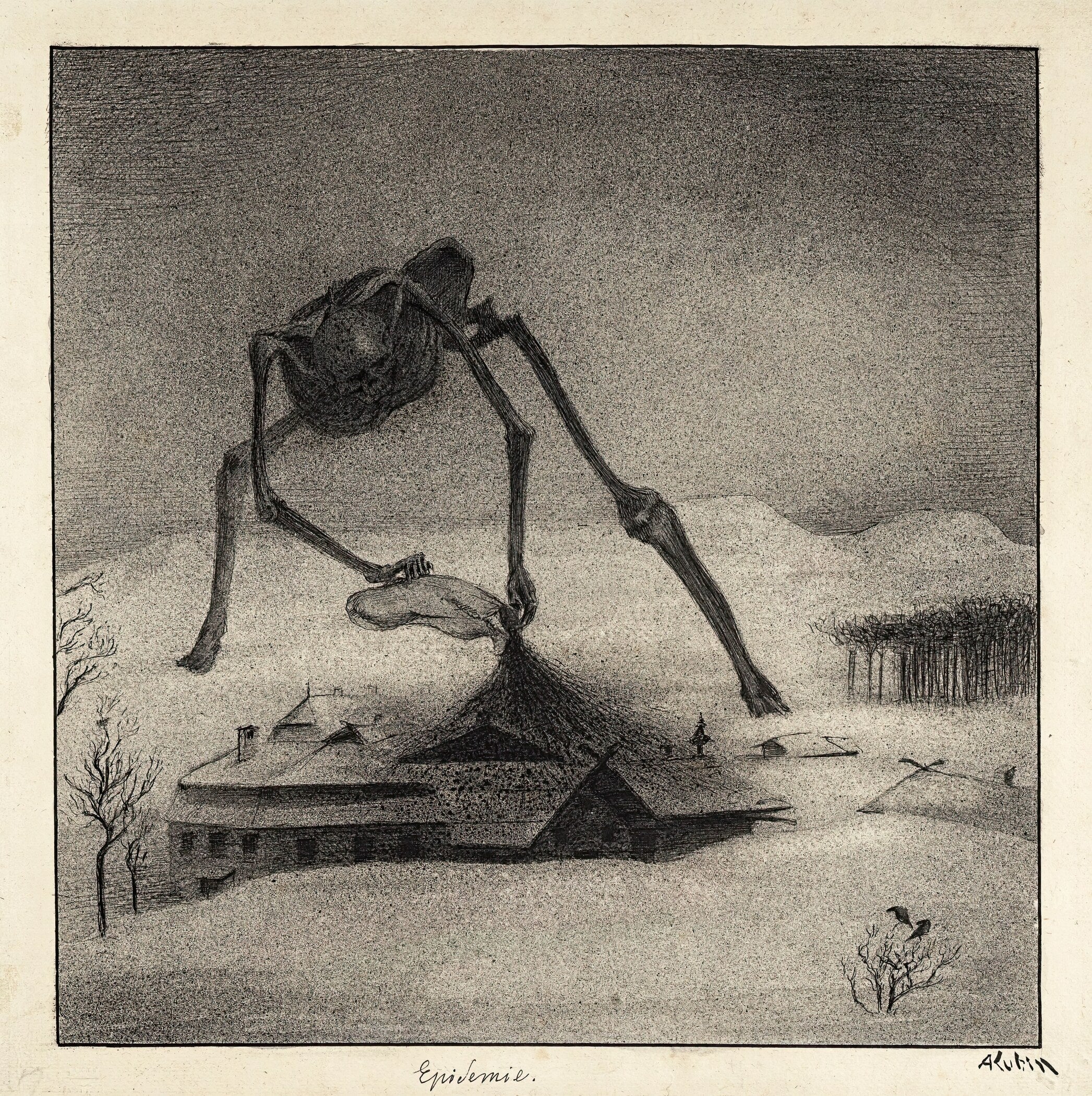
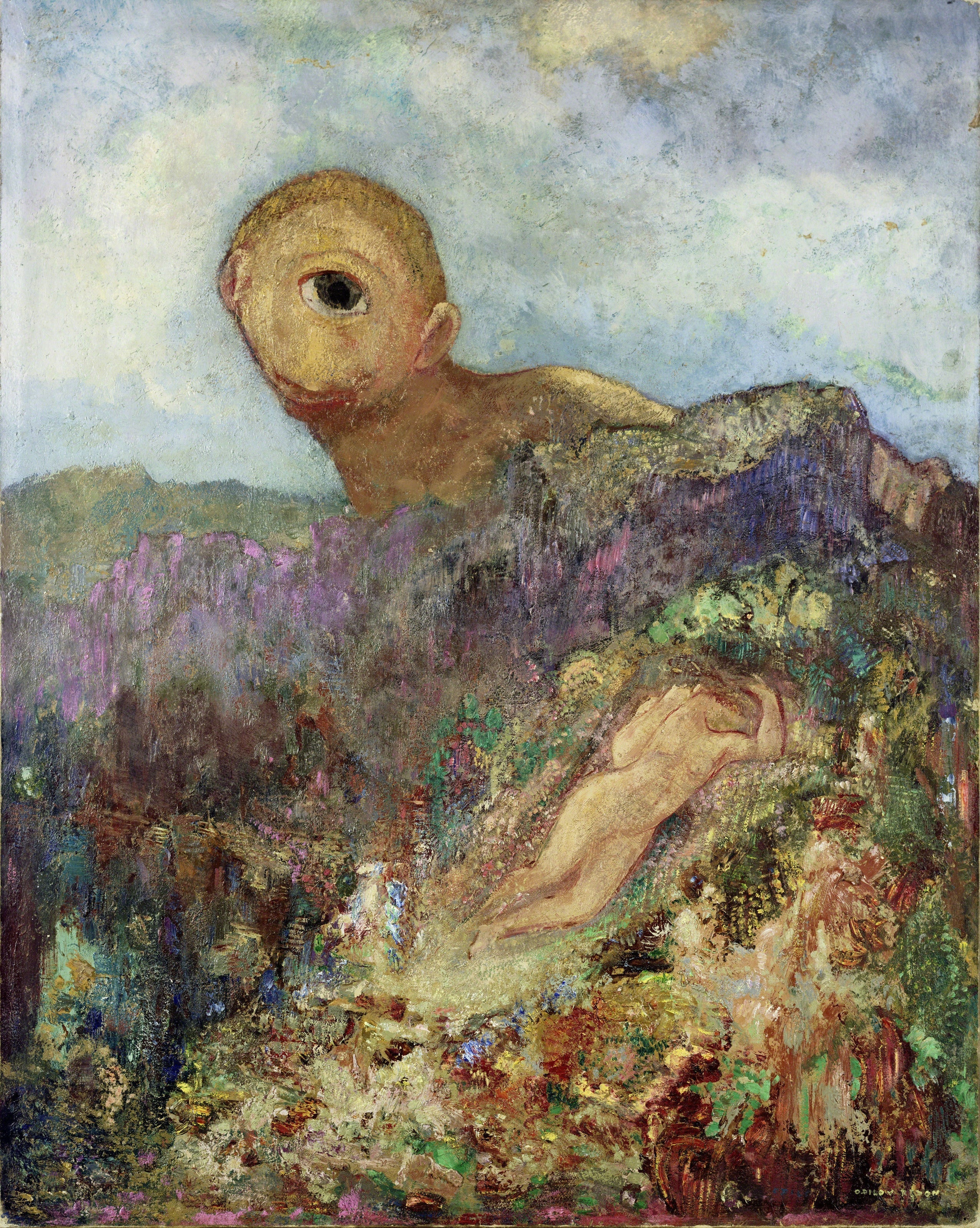
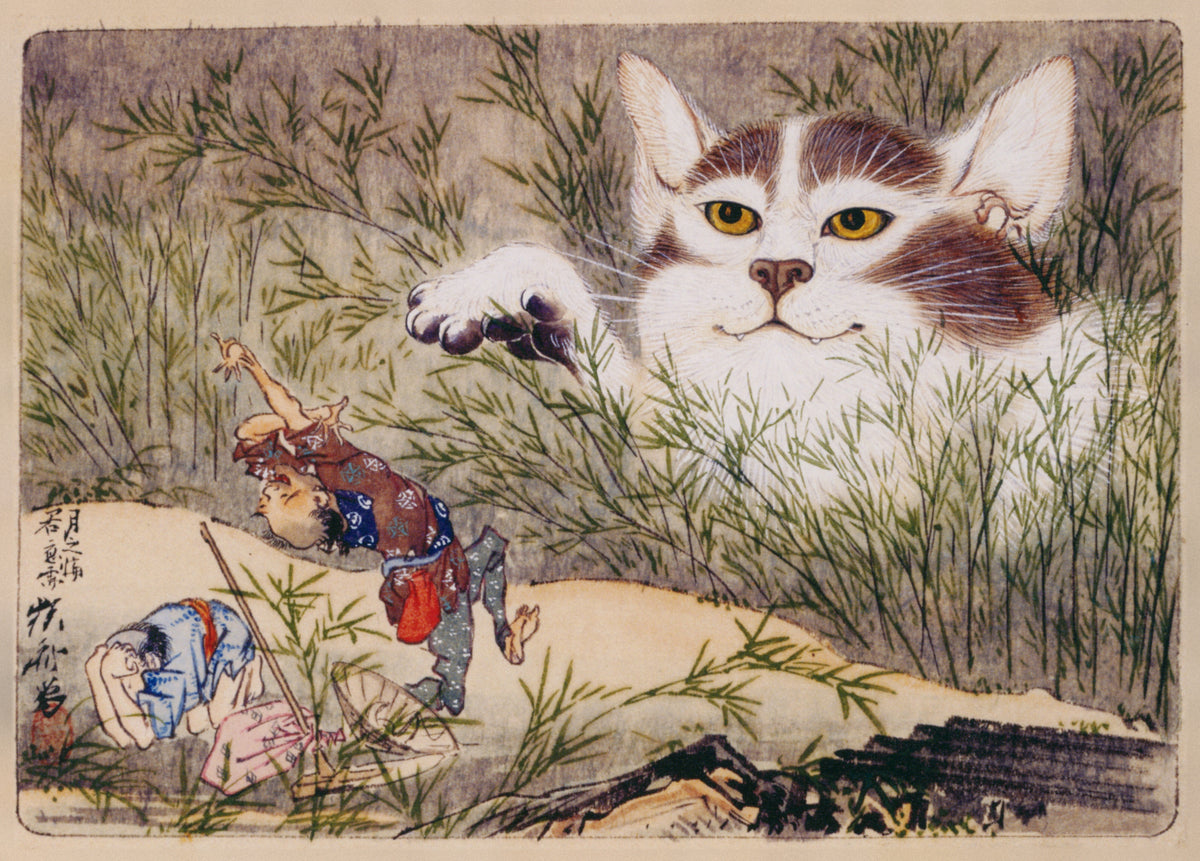
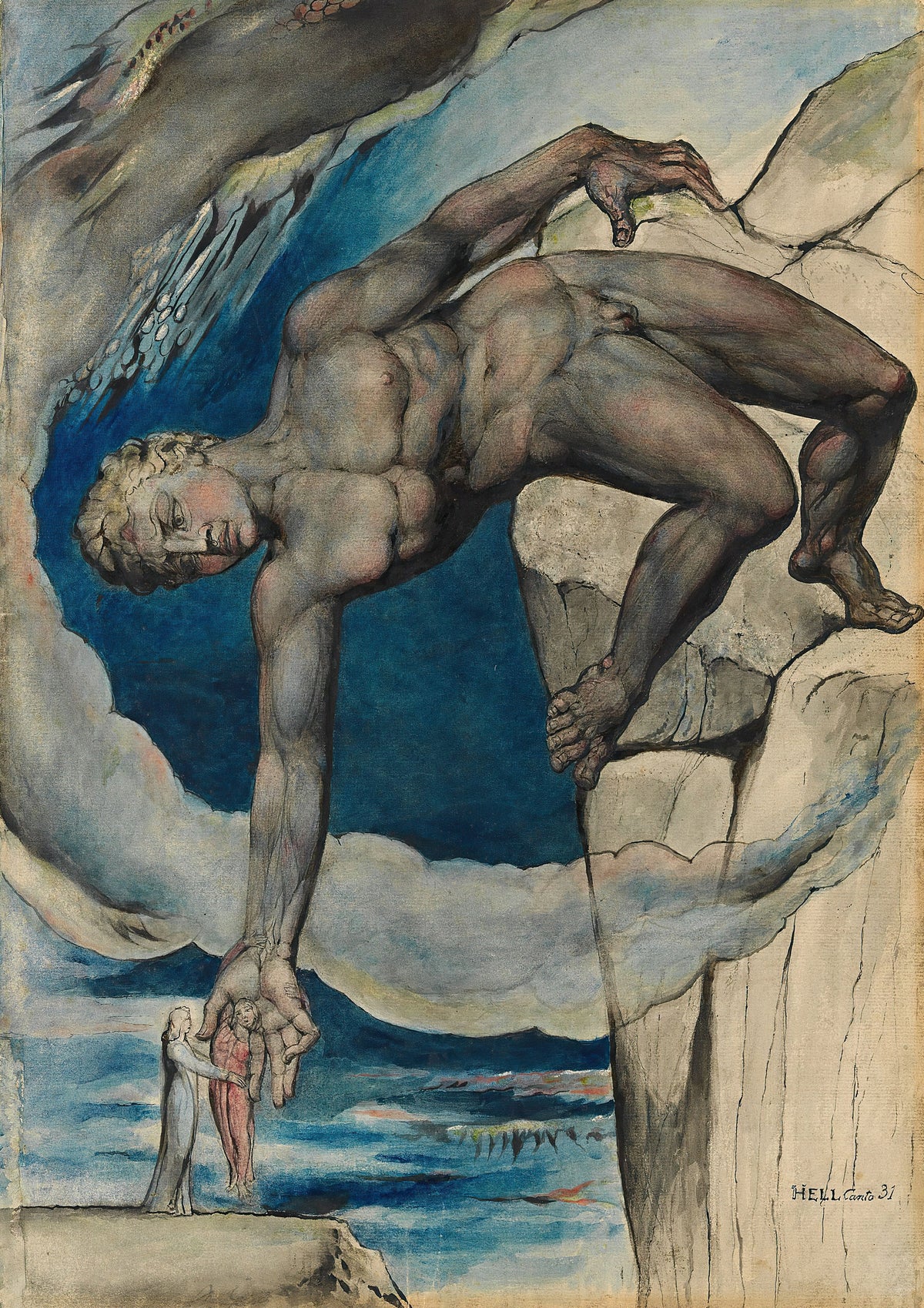
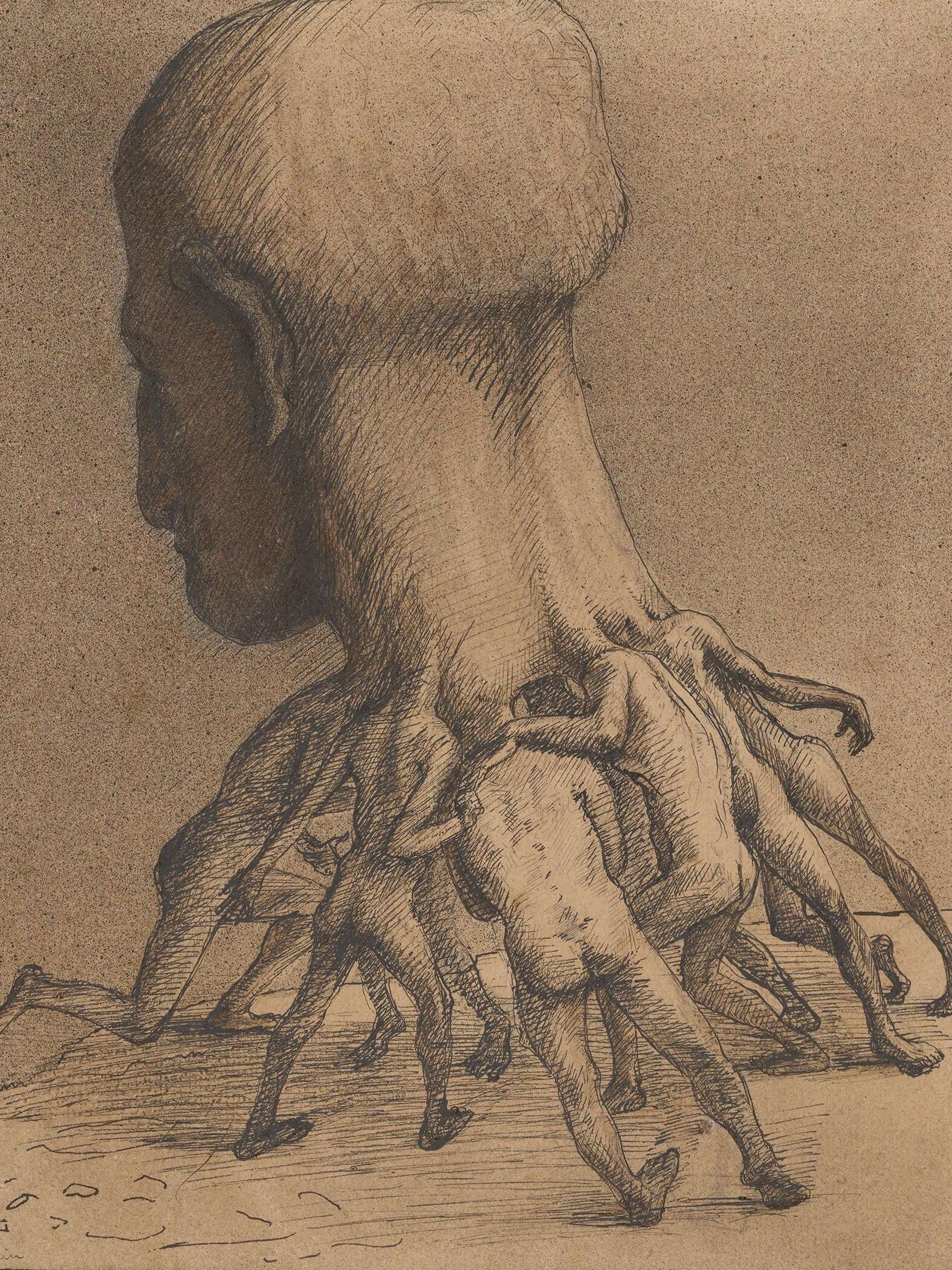
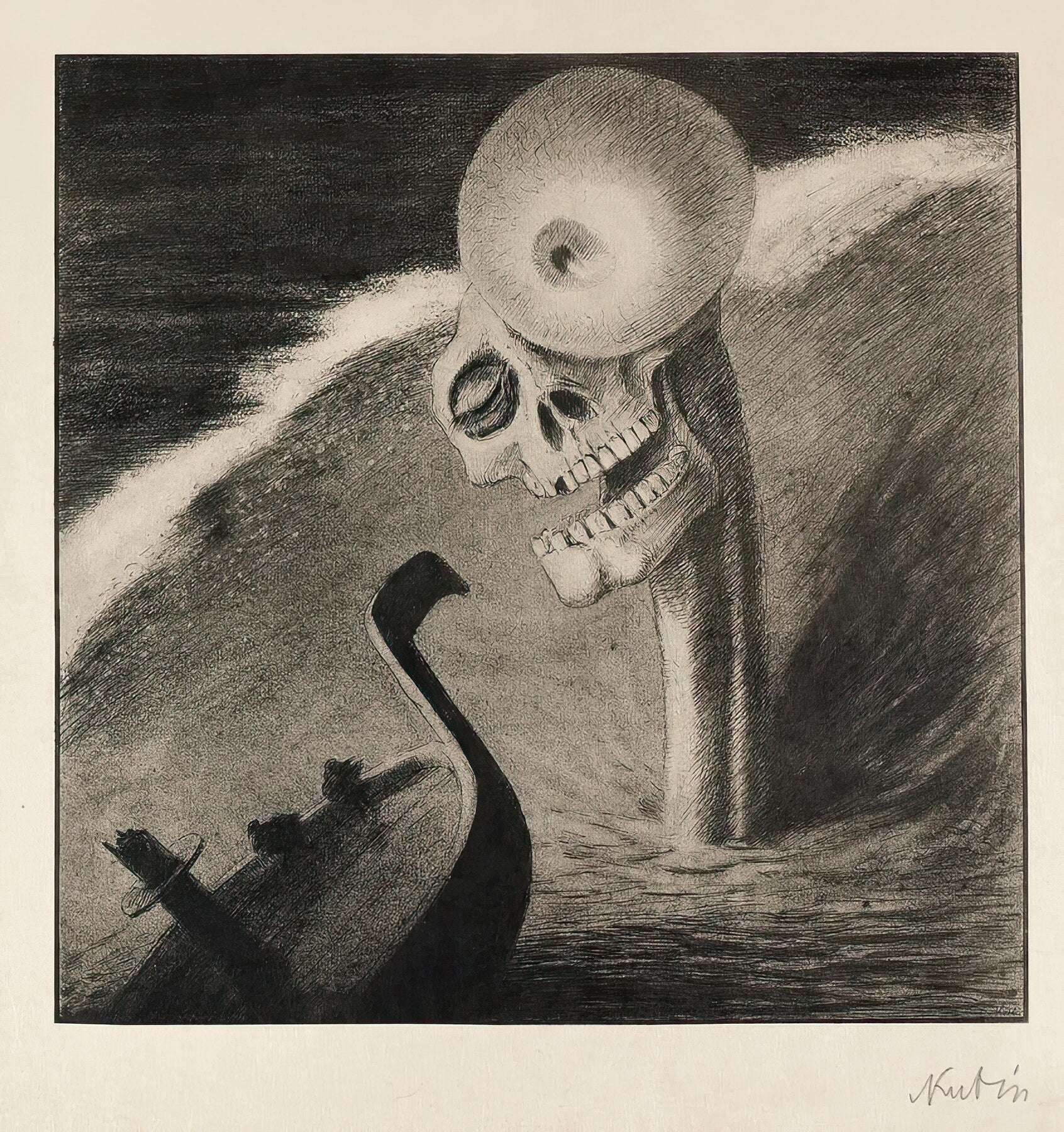
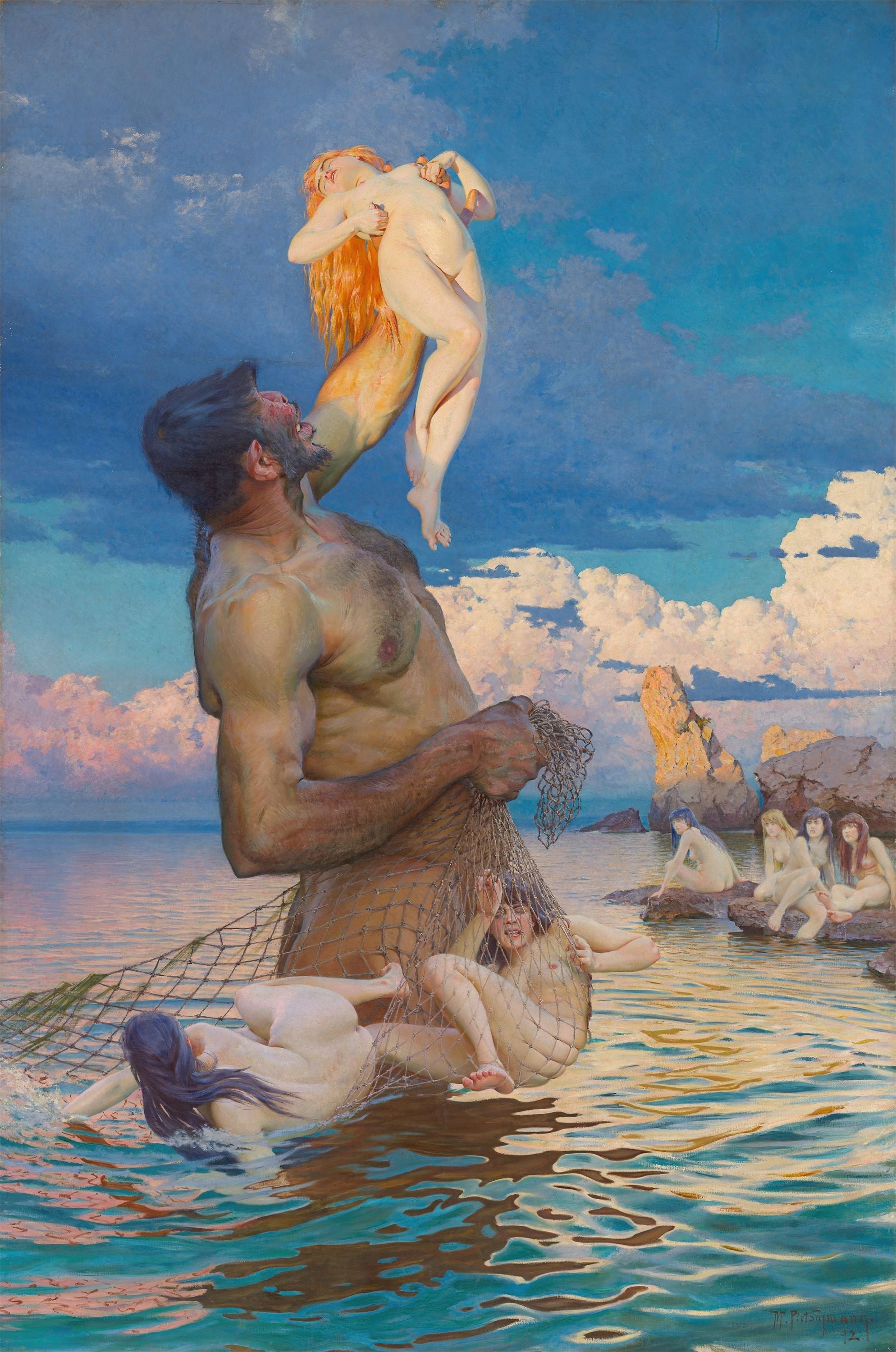
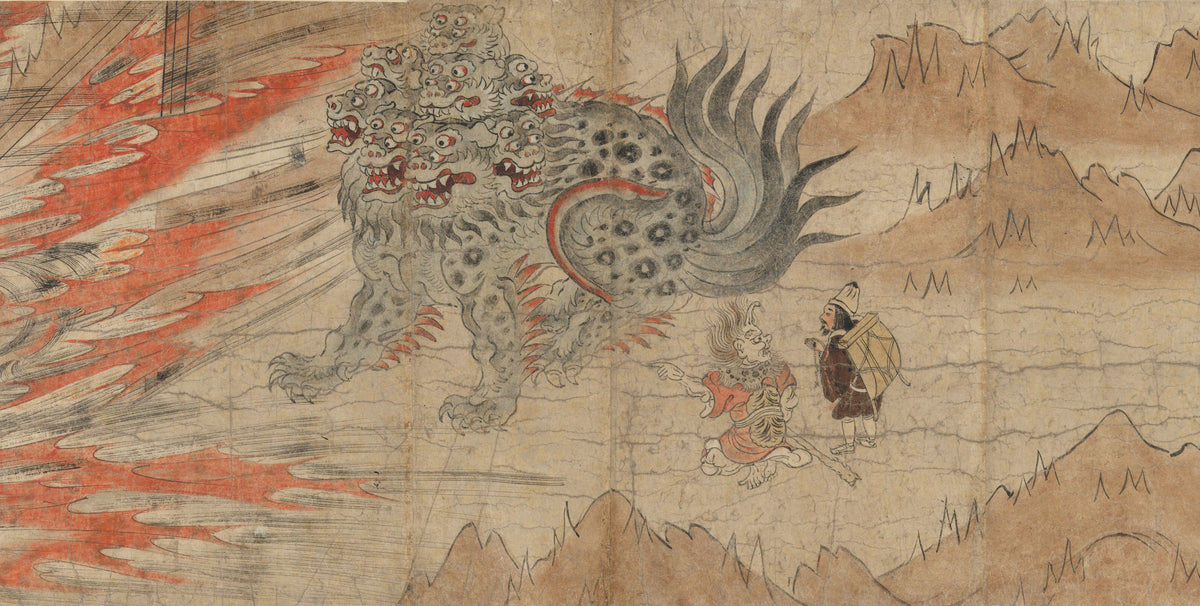
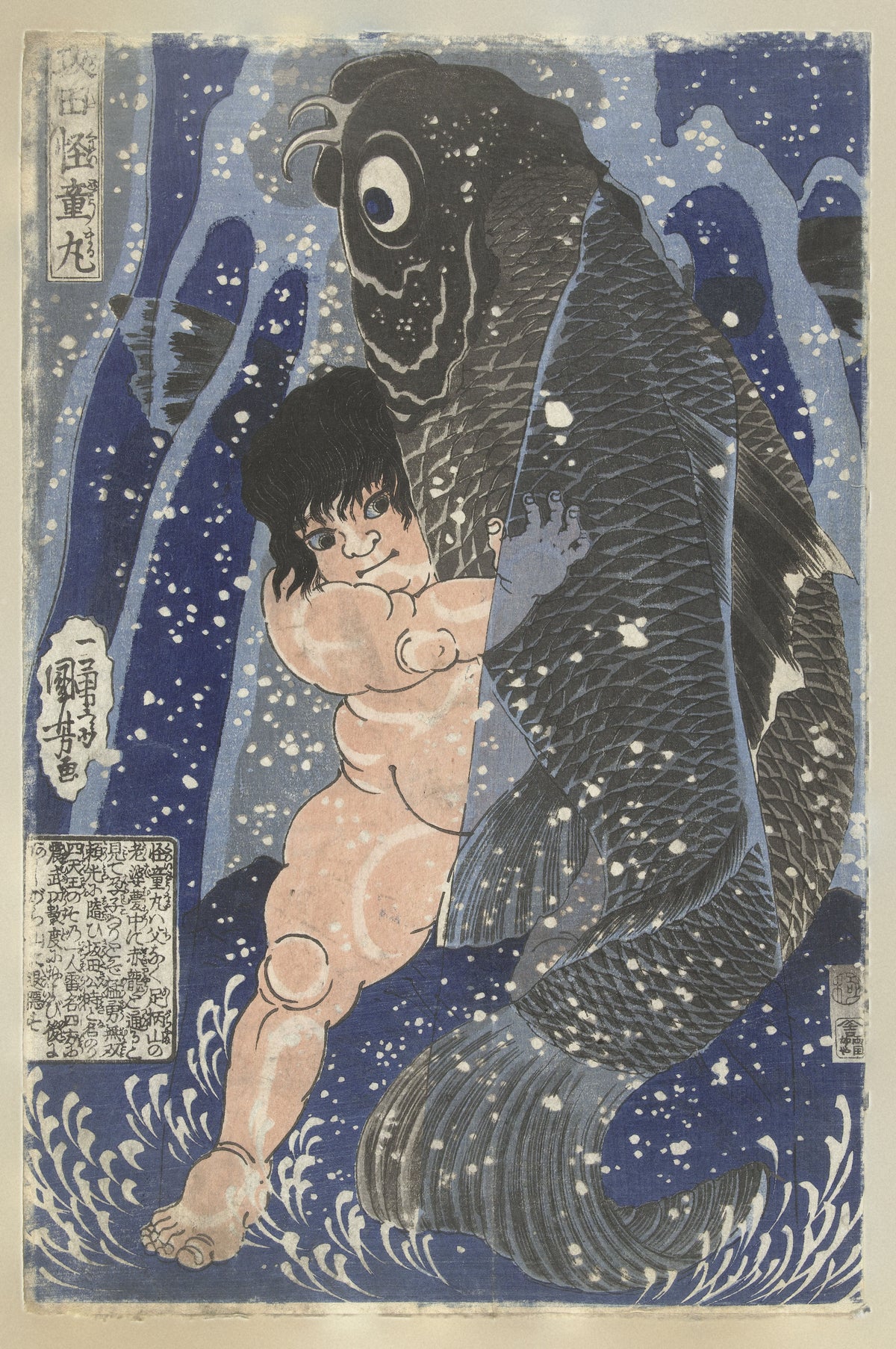
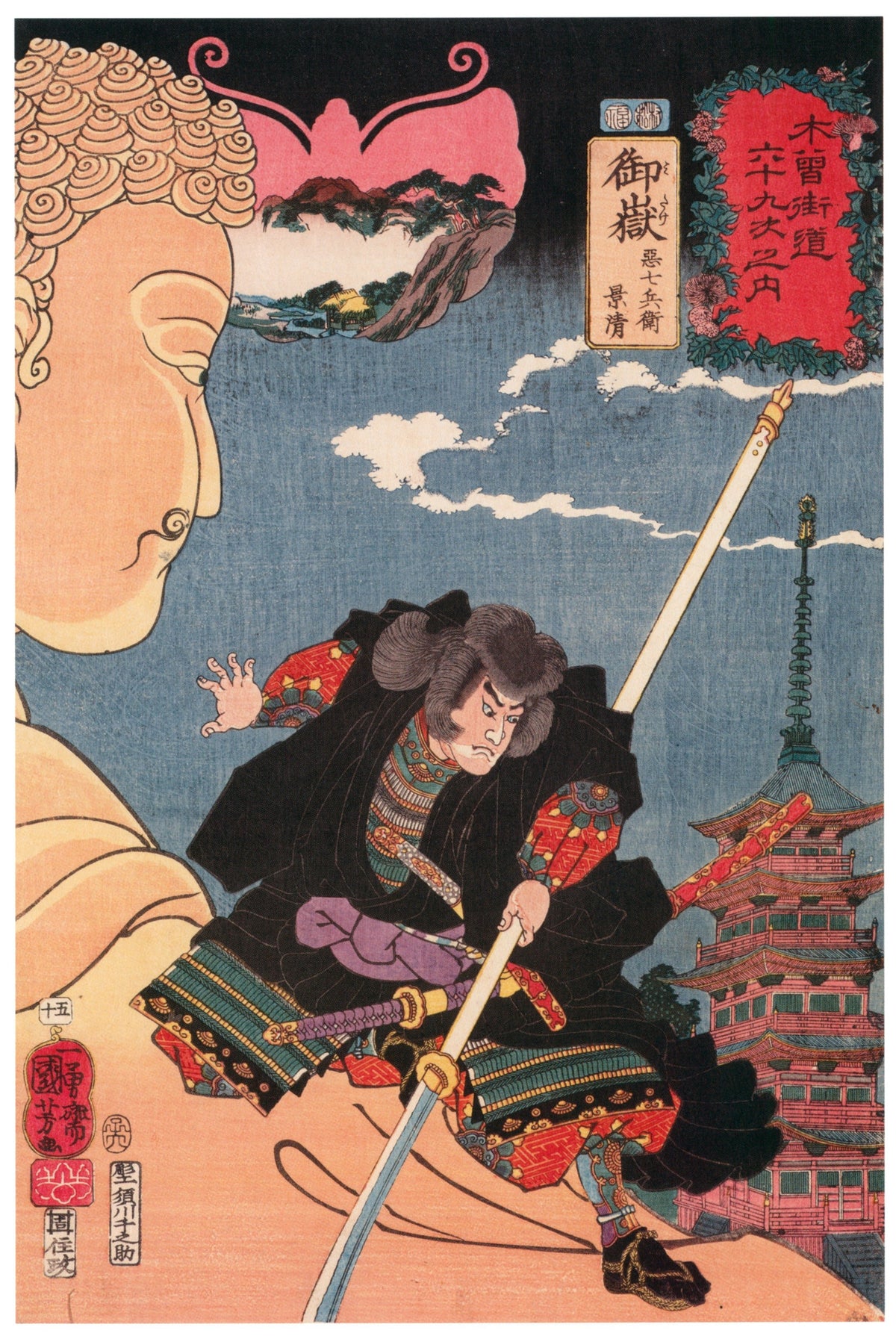
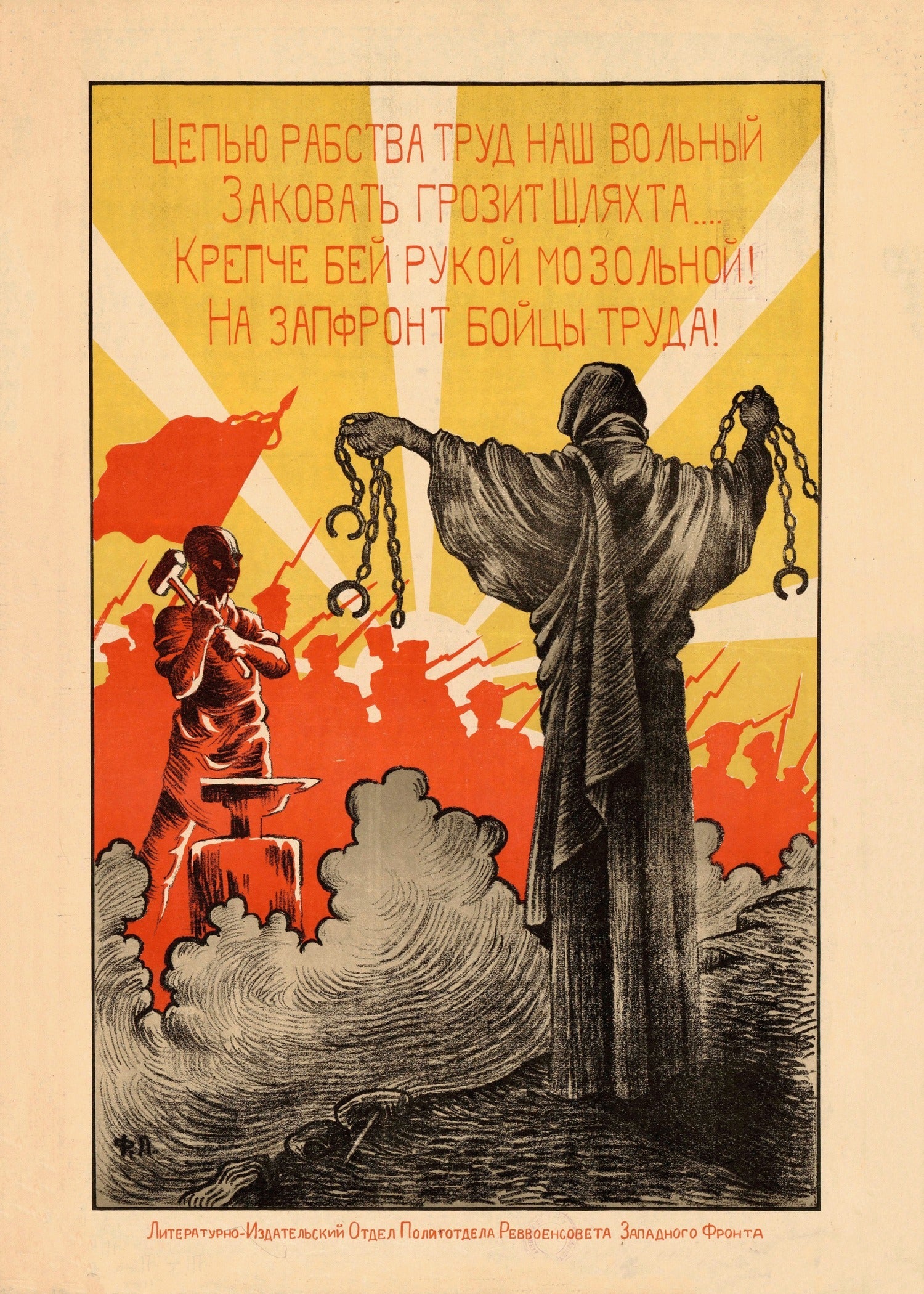
Pictures in which something enormous has walked into the frame. A skeleton the size of a house leans over a samurai. A plague strides across a snowbound village on stilt legs. An ogre sharpens his knife over sleeping children, a Cyclops peers over a hill, a fifty-foot woman straddles the freeway. Kuniyoshi, Kubin, Doré, Blake, Redon and the poster artists of the cinema, all working the same old fear and the same old joke: how small we are. All chosen by hand, with free shipping and import duties included.
Featured listing

Note: Framed prints require slightly longer production time
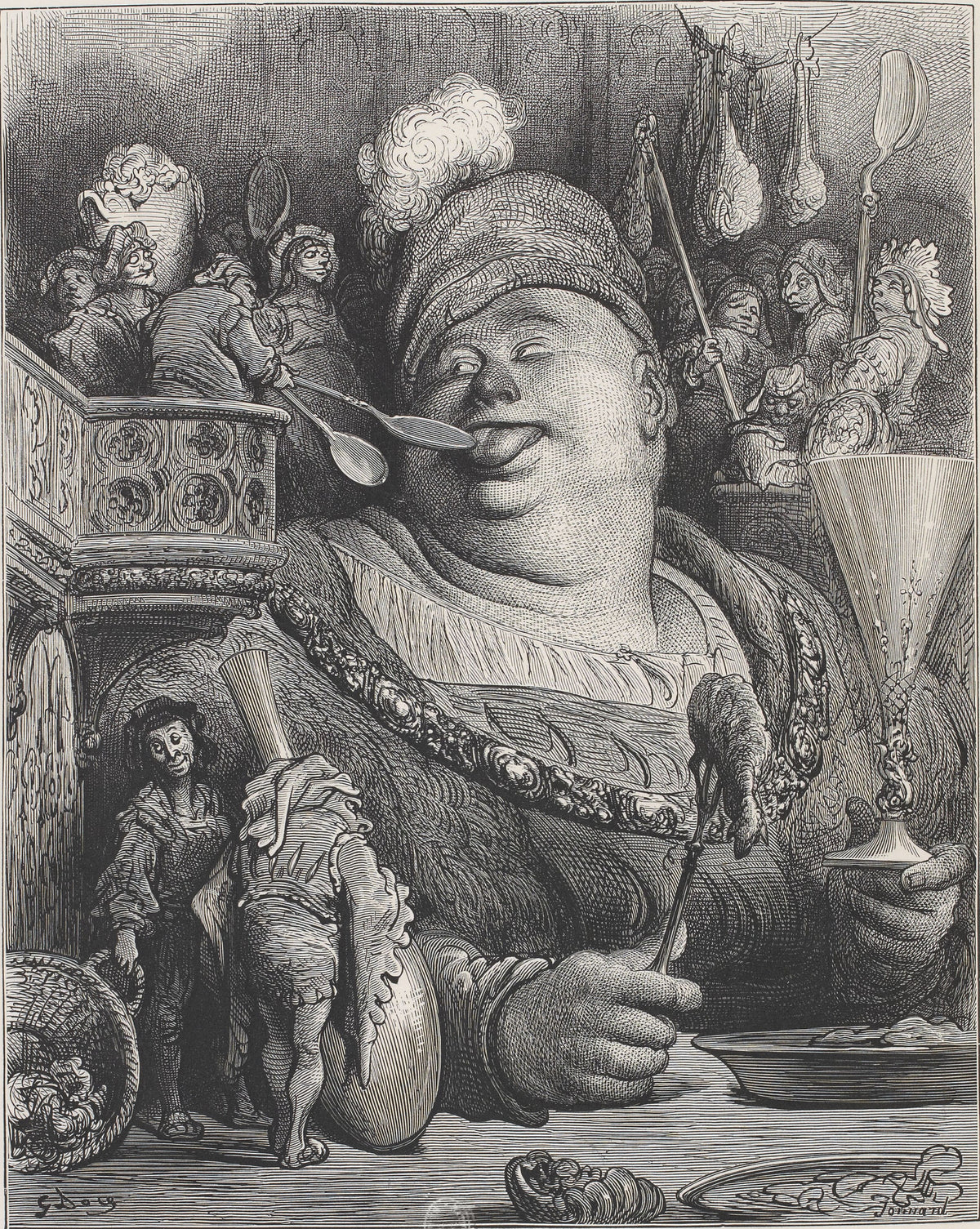
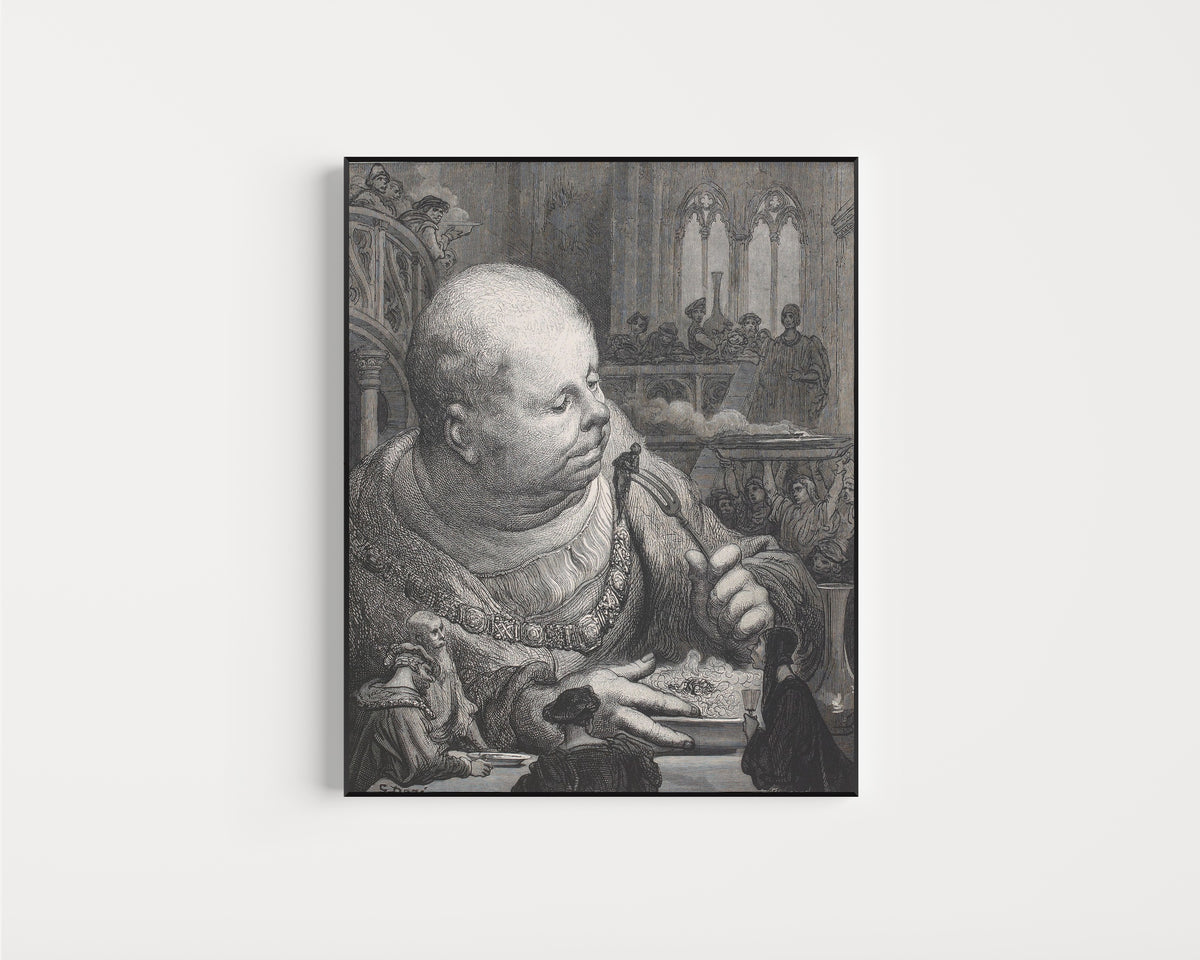
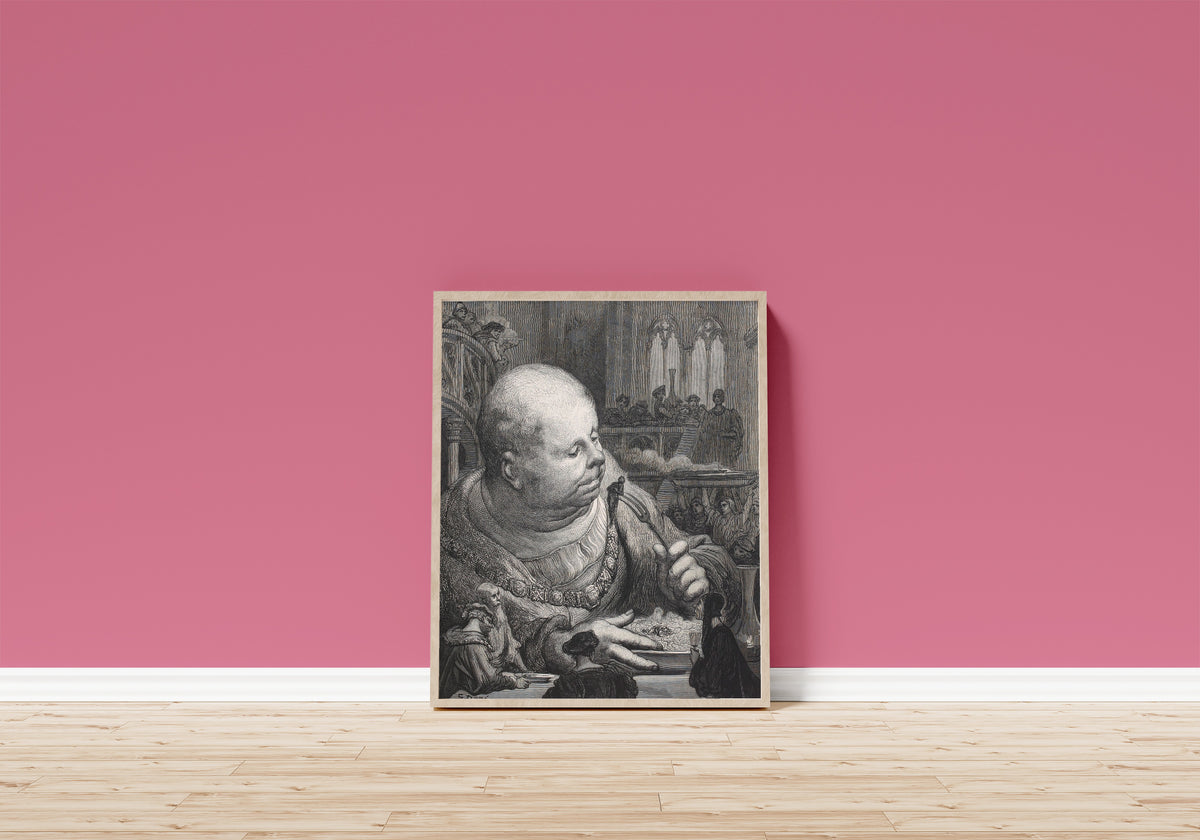
A bald, heavy-jowled giant sits at a table inside a vaulted Gothic hall, a broad chain of round medallions draped across his fur-trimmed robe. He raises a two-pronged fork to his lips, a small robed figure impaled on its tines. Behind him, pointed arch windows and a gallery crowd of onlookers hold platters aloft through drifting steam; at the table a bearded elder and a black-hooded woman flank him, and a smoking dish sits beneath his open hand. A monogram is engraved at the lower left.
Gustave Doré (1832–1883) was a French illustrator, painter and sculptor from Strasbourg, and the most prolific and widely reproduced book illustrator of the nineteenth century. Largely self-taught, he was publishing caricatures in Paris at fifteen, and from the late 1850s his wood-engraved plates for Dante's Inferno (1861), Perrault's fairy tales (1862), Cervantes, Milton, the Bible (1866) and Poe's The Raven (1884) fixed the look of those books for generations of readers. Engraved by a workshop led by Héliodore Pisan and Adolphe Pannemaker, his designs combine minute detail with theatrical light, vast landscapes and crowds of figures. From the 1860s he also painted large canvases and Alpine, Scottish and Spanish landscapes, exhibited at the Doré Gallery in London, and turned to sculpture in his last decade. His work is held by the Musée d'Art Moderne et Contemporain de Strasbourg, the Bibliothèque nationale de France, the Metropolitan Museum of Art and the Art Institute of Chicago.
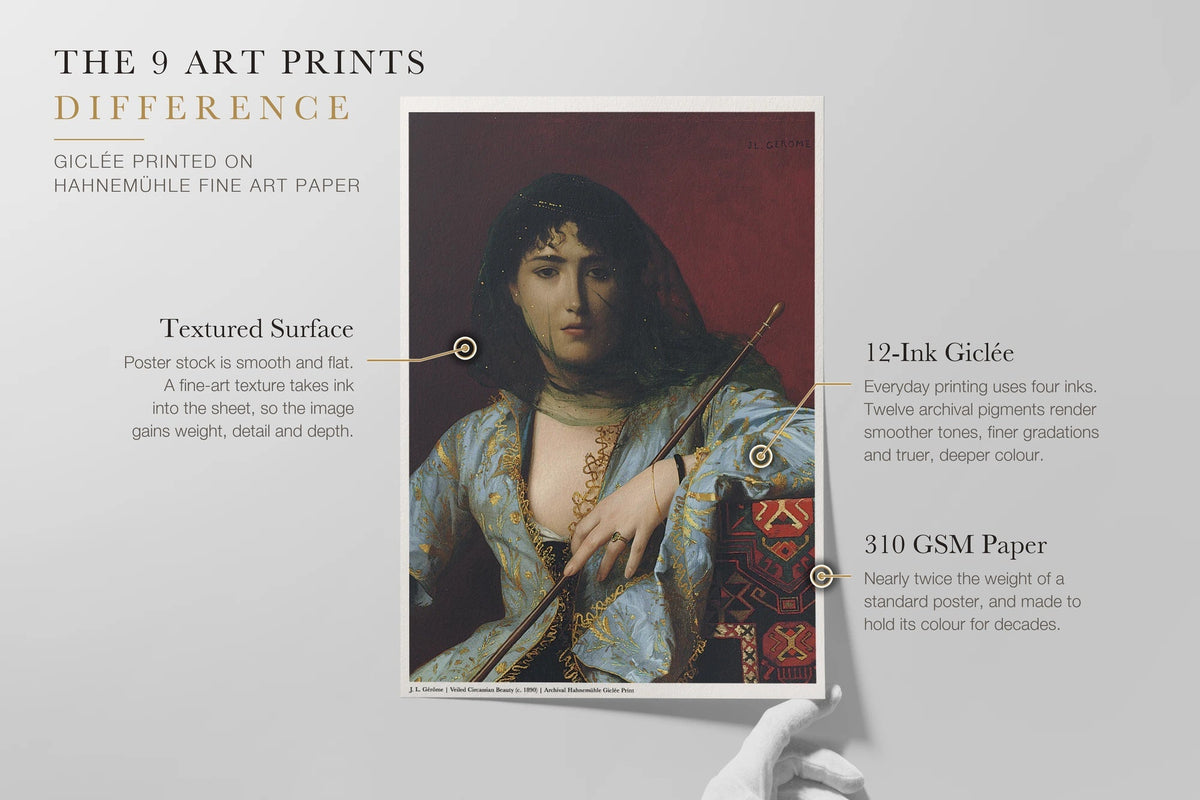
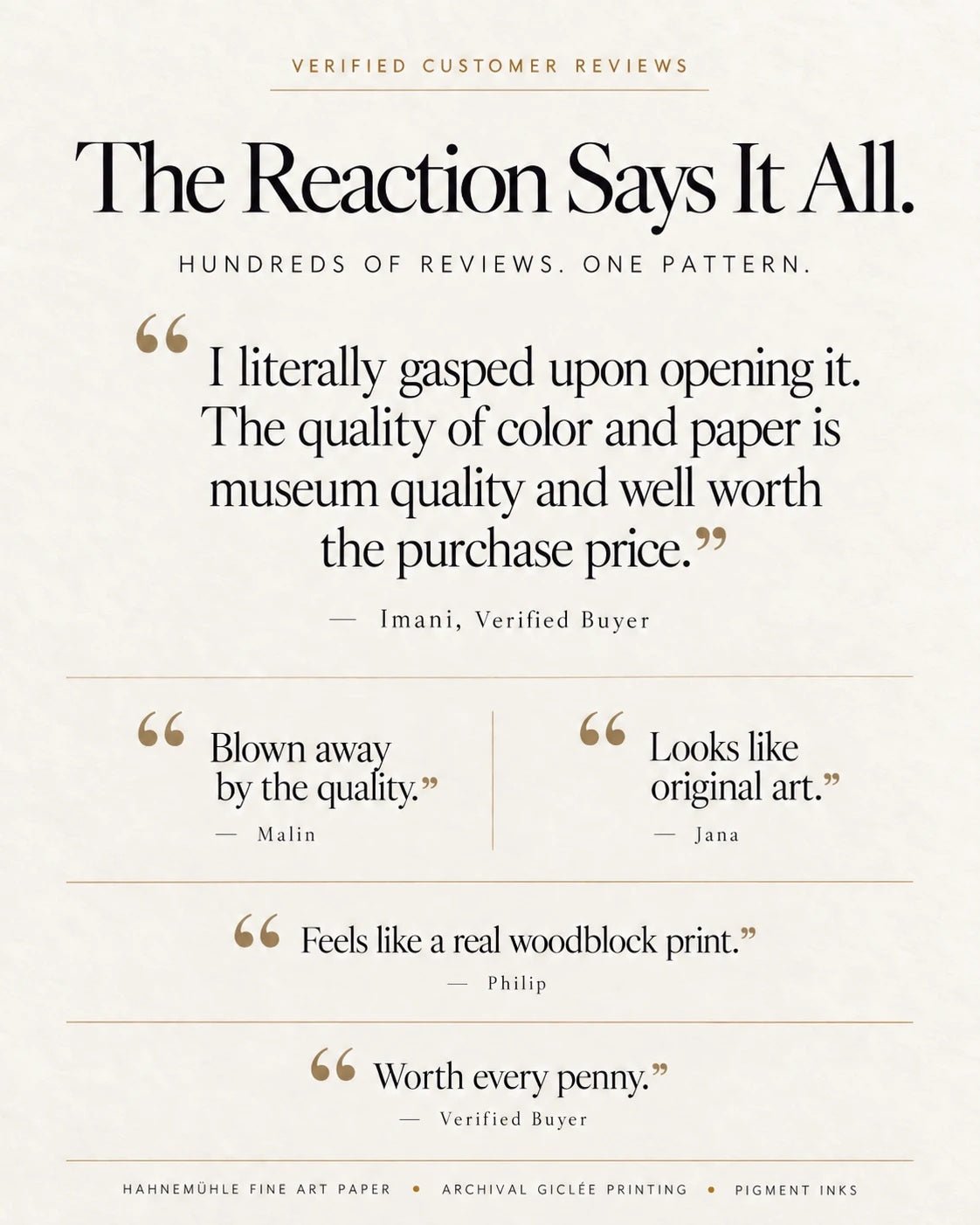
Each print is made to our Archival Museum Standards: a 12-ink giclée, printed to order. Unframed prints are made on Hahnemühle German Etching, a 310gsm matte fine-art paper. Framed prints arrive in a handmade solid-wood frame with low-reflection glazing, ready to hang. Ships worldwide with free delivery to 30+ countries.