Artist · 5 prints
Abanindranath Tagore Prints
About Abanindranath Tagore
Abanindranath Tagore was an Indian painter and writer, born on August 7, 1871, at Jorasanko in Calcutta (now Kolkata), into the city's famous Tagore family, and he died in Calcutta on December 5, 1951. He was a nephew of the poet Rabindranath Tagore, and as a young man he took lessons in pastel and oil painting from European teachers in Calcutta.
Abanindranath Tagore turned away from the European academic style then taught in Indian art schools and looked instead to older Indian painting traditions, such as Mughal and Rajput miniatures, as well as to Chinese and Japanese art. In doing so he helped found the Bengal School, often described as the first modern movement in Indian art. His best-known picture, Bharat Mata (1905), painted during the Swadeshi movement against British rule, shows India as a four-armed woman in an orange sari, and it became an emblem of the independence struggle. He was also a much-loved writer of Bengali children's books, under the name Aban Thakur.
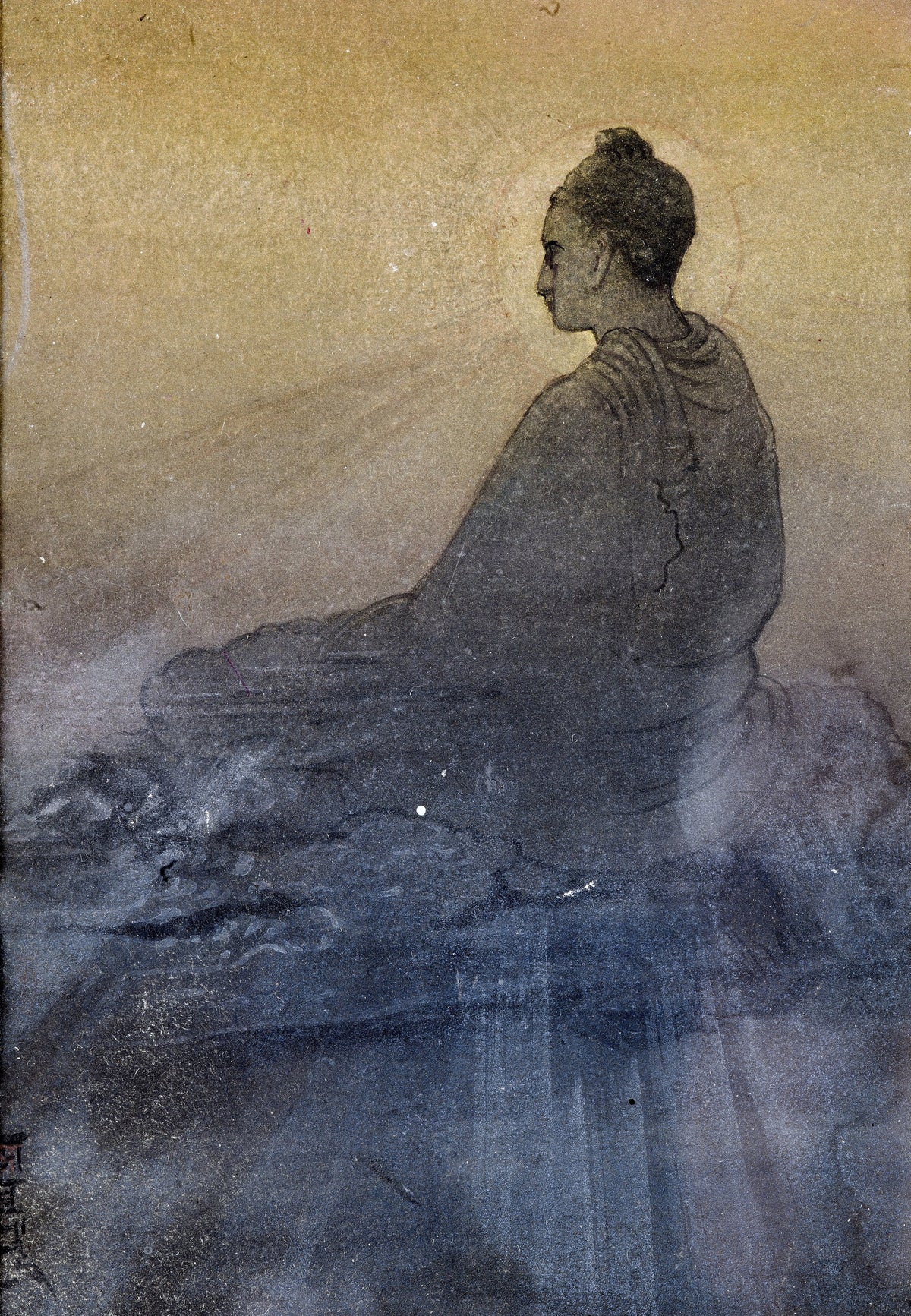
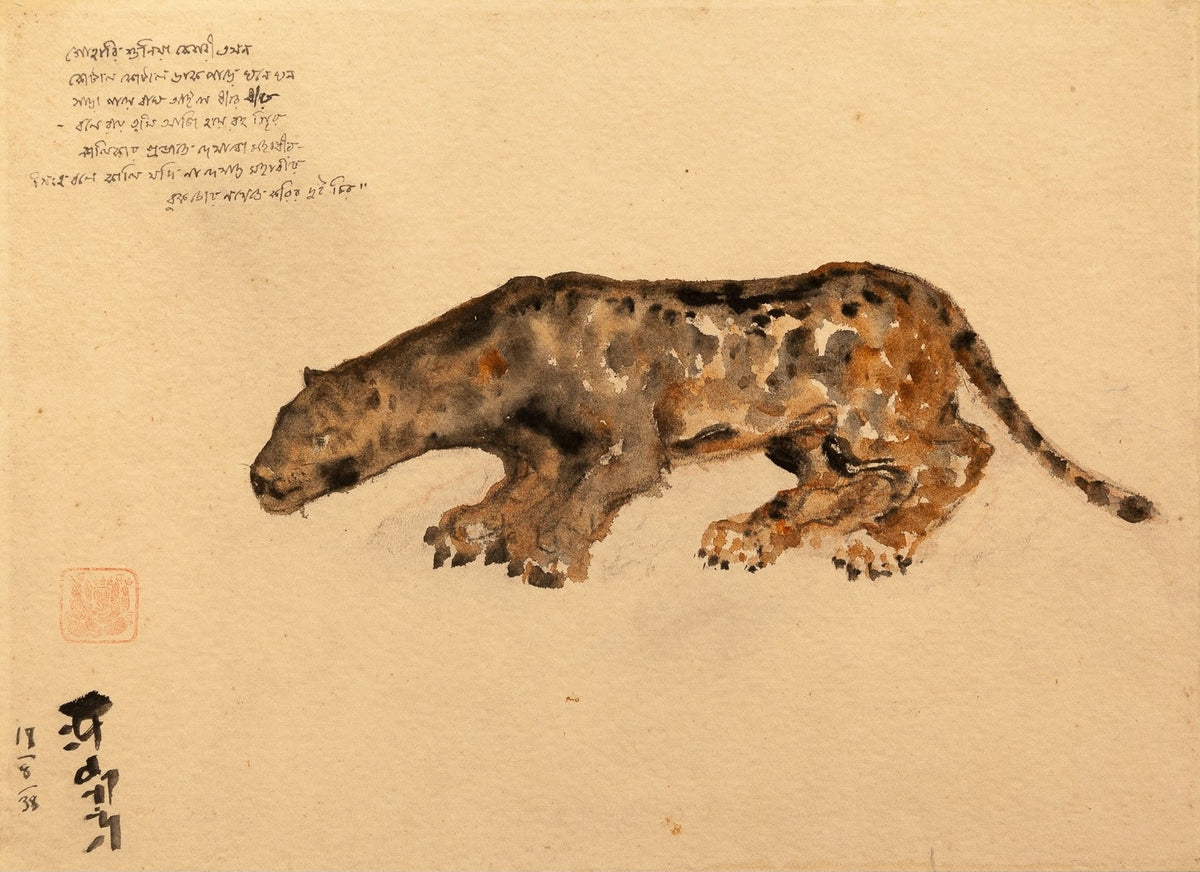
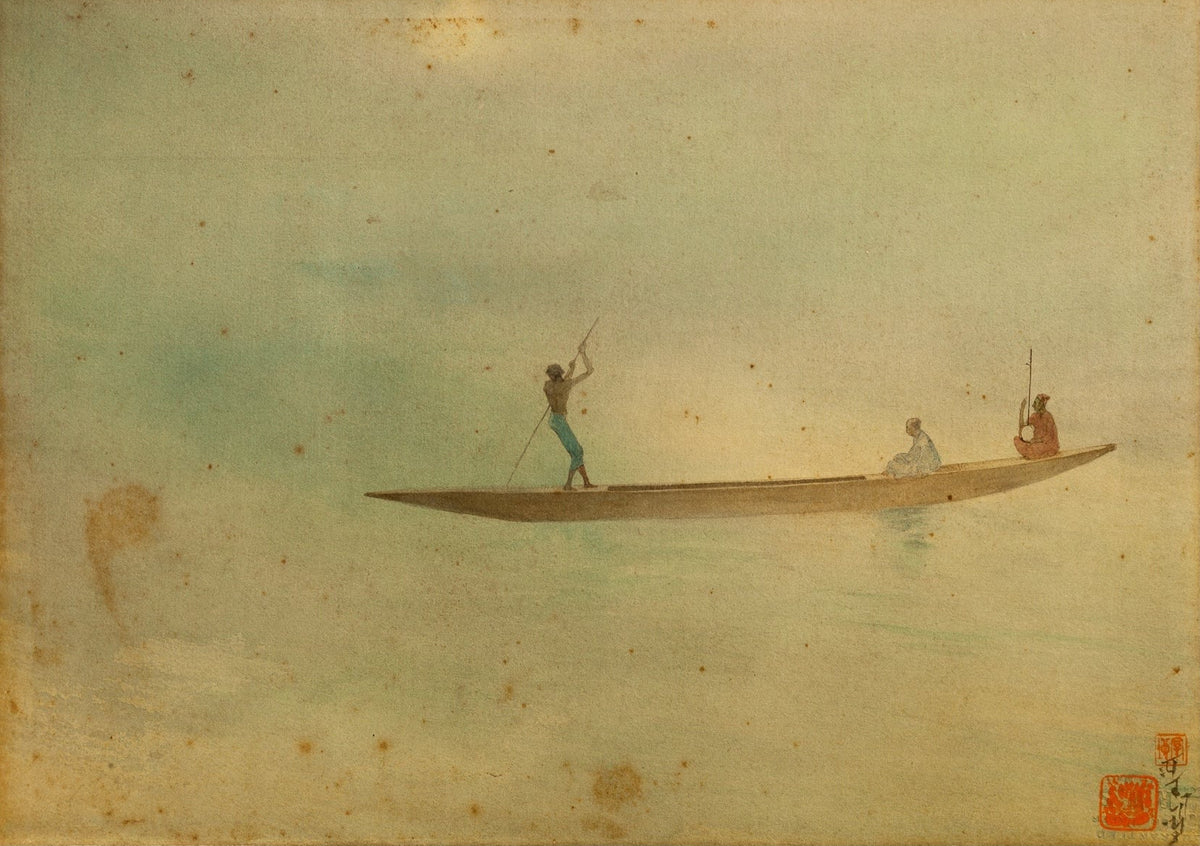
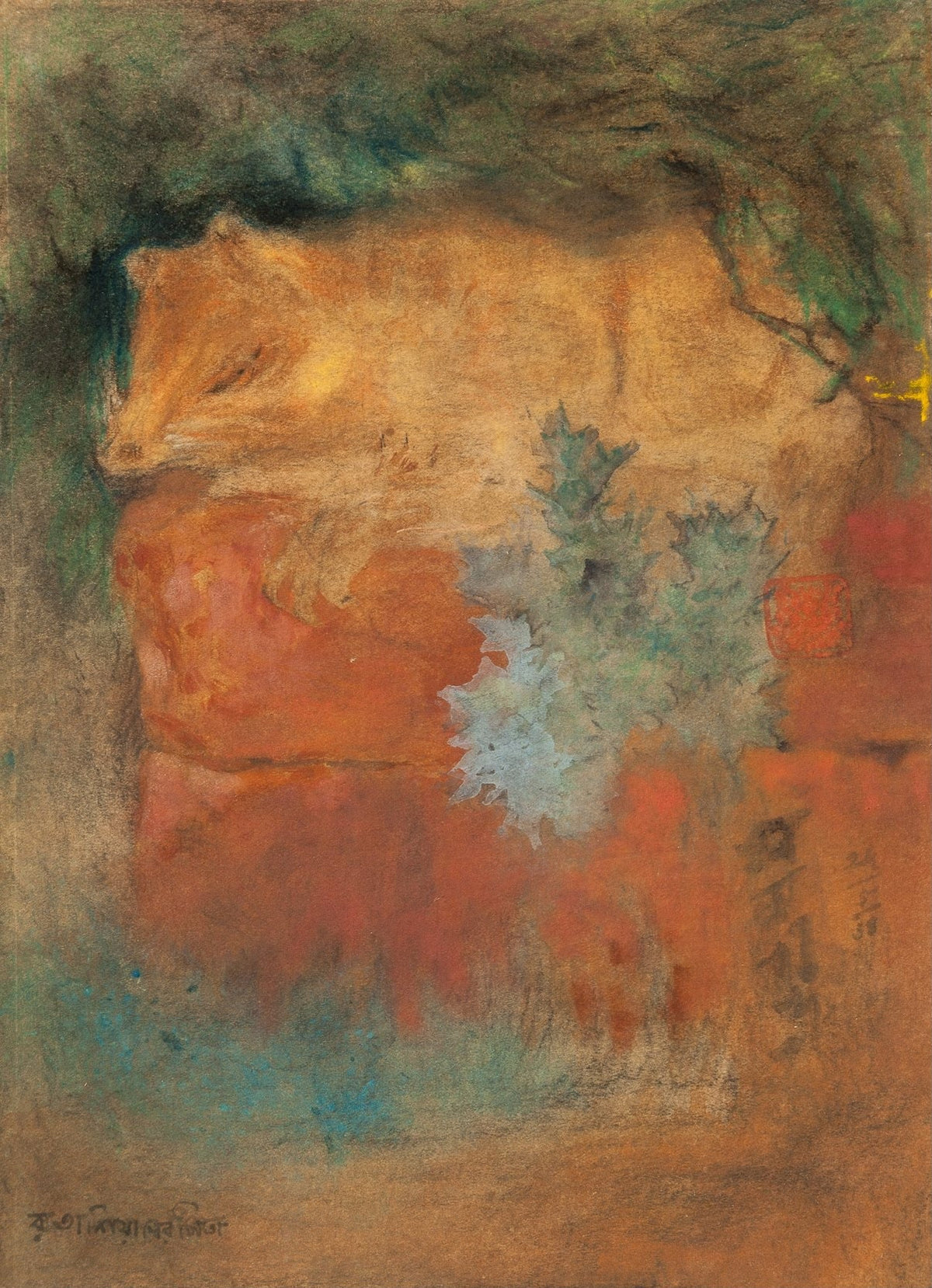
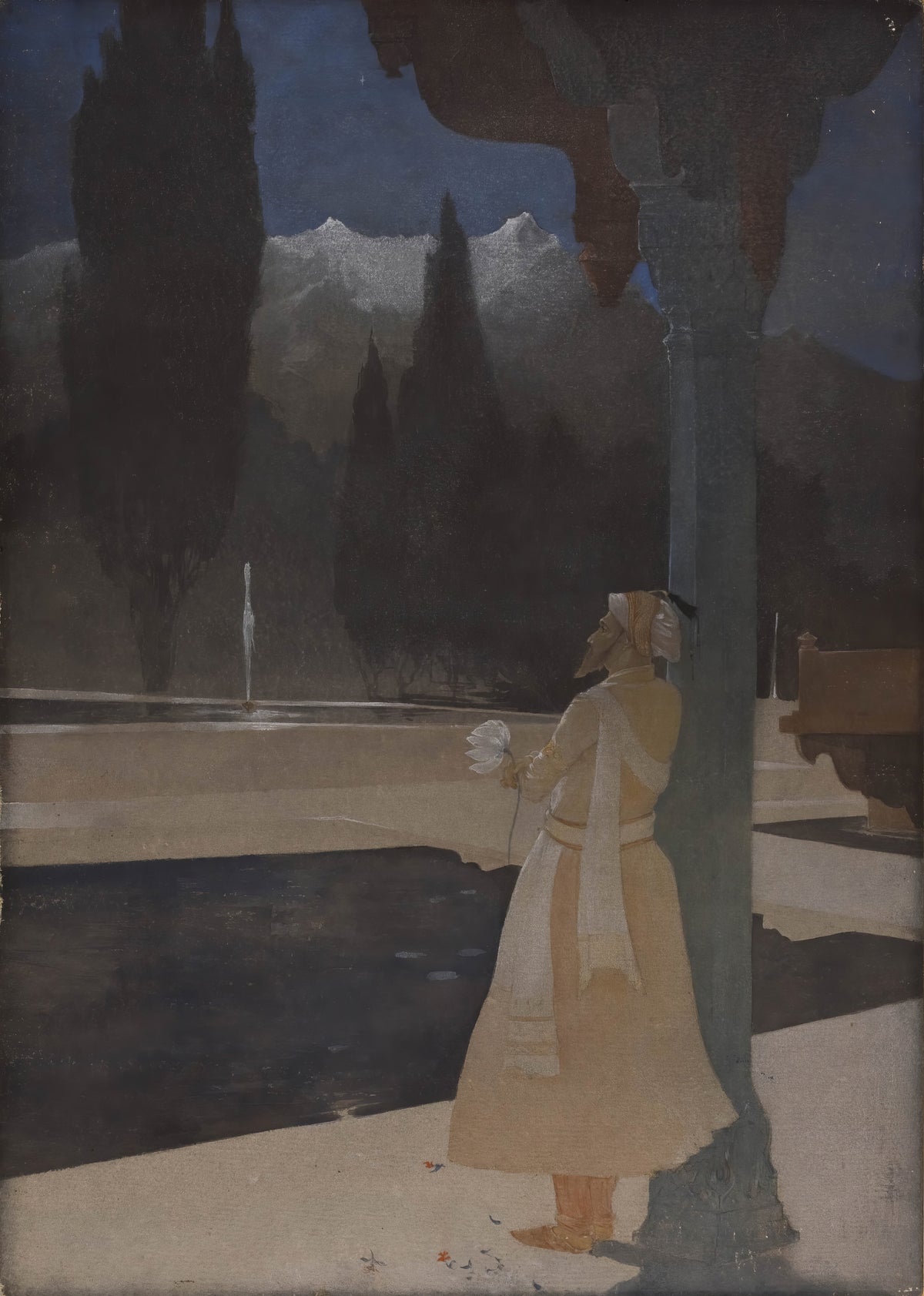
Abanindranath Tagore prints: reproductions of paintings by Abanindranath Tagore, the Bengali painter of the Bengal School, made between the 1910s and the late 1930s. The collection includes Victory of Buddha (1913), Village Music (1926), Bagh Raja (The Tiger King) (1938), Night at the Shalimar and Rata, the Fox.
This selection reflects the range of his subjects: a Buddhist scene, a Mughal garden at night, village life in Bengal, and two animal pictures drawn from fable and story. The paintings use soft washes and muted, layered color instead of hard outlines, a wash technique Tagore developed from Japanese and older Indian painting. Night at the Shalimar and Village Music are the quietest works in the group.
The muted tones suit bedrooms, meditation spaces, studies and reading corners, and the animal pictures also work well in children's rooms. All prints are museum-quality reproductions, available unframed or framed with acrylic glazing, with free shipping and import duties covered.