Artist · 16 prints
Élisabeth Louise Vigée Le Brun Prints
About Élisabeth Louise Vigée Le Brun
Élisabeth Louise Vigée Le Brun was a French portrait painter, born in Paris in 1755, who died there in 1842. Her first lessons came from her father, Louis Vigée, a portraitist who worked mainly in pastel. In 1776 she married the art dealer Jean-Baptiste-Pierre Le Brun, and in 1783 she was admitted to the Académie royale, France's official academy of painting. When the Revolution broke out in 1789 she left France and spent twelve years working abroad, in Rome, Naples, Vienna, Berlin, St. Petersburg and Moscow, returning to Paris in 1801.
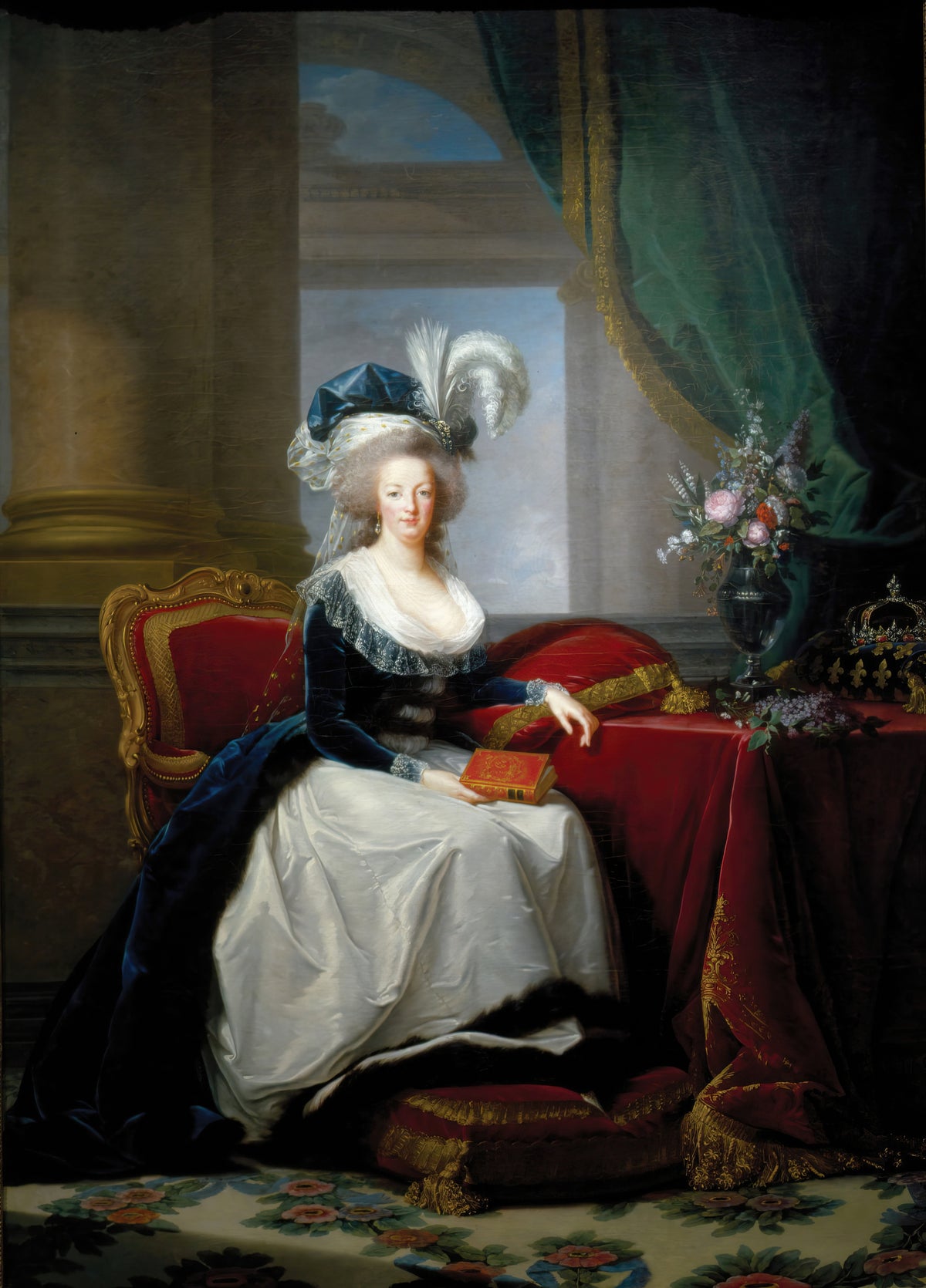
Vigée Le Brun was summoned to Versailles in 1779 and went on to paint more than 20 portraits of Queen Marie Antoinette, including an informal one of the queen in a simple muslin dress (1783), a version of which is in the National Gallery of Art in Washington. She painted hundreds of portraits and some 200 landscapes. Her memoirs, Souvenirs de ma vie (1835–37), are a lively record of a life lived across Europe.
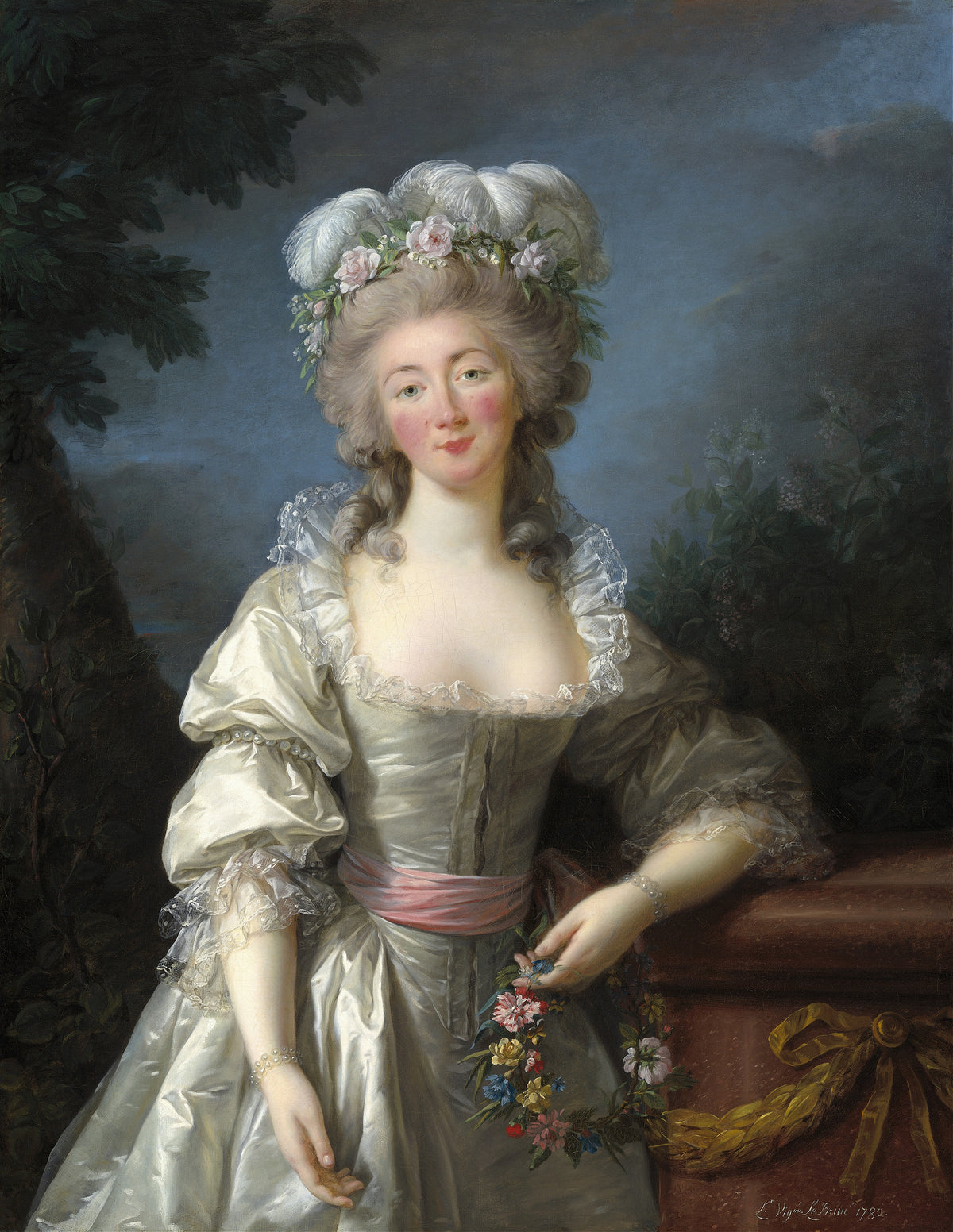
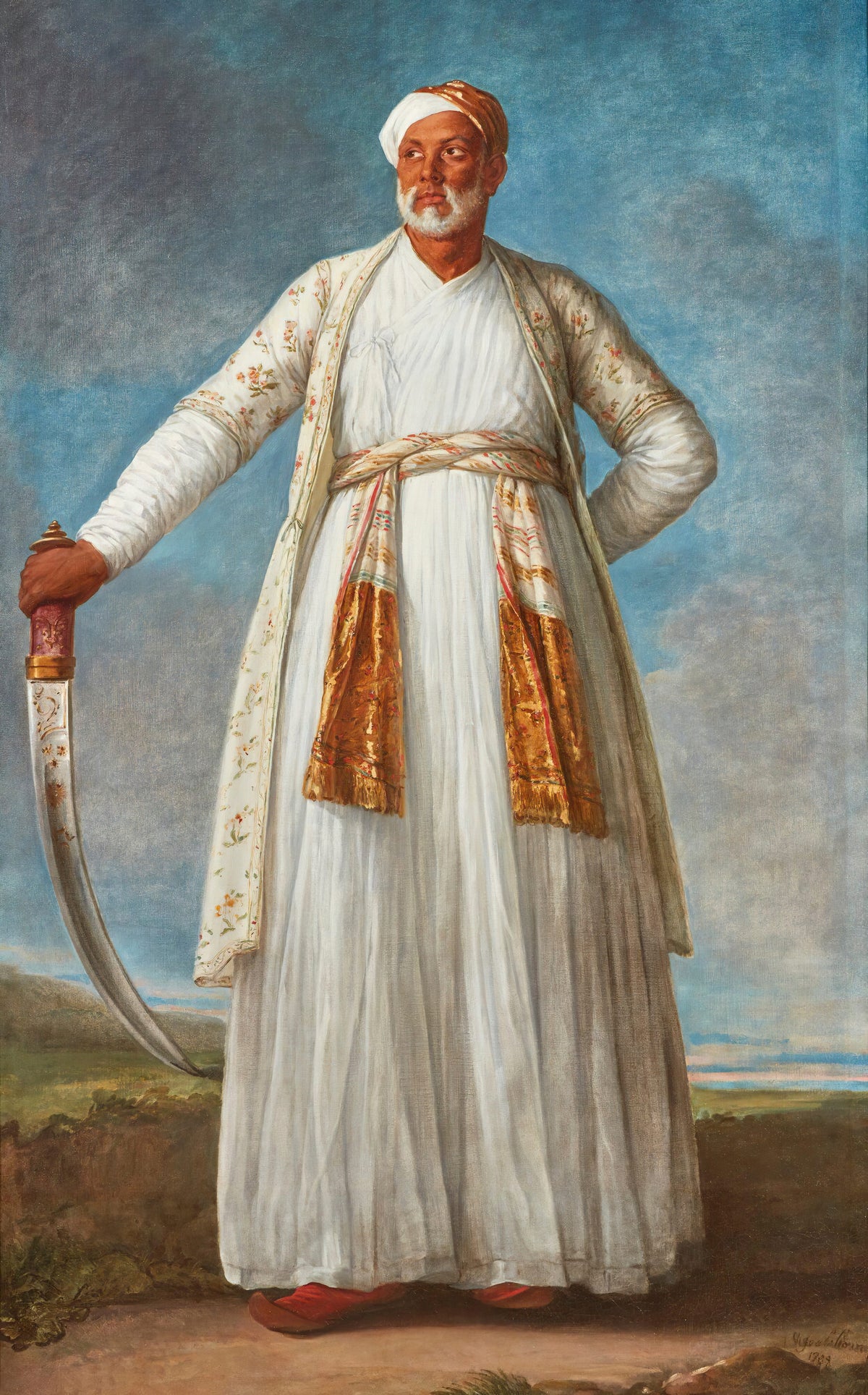
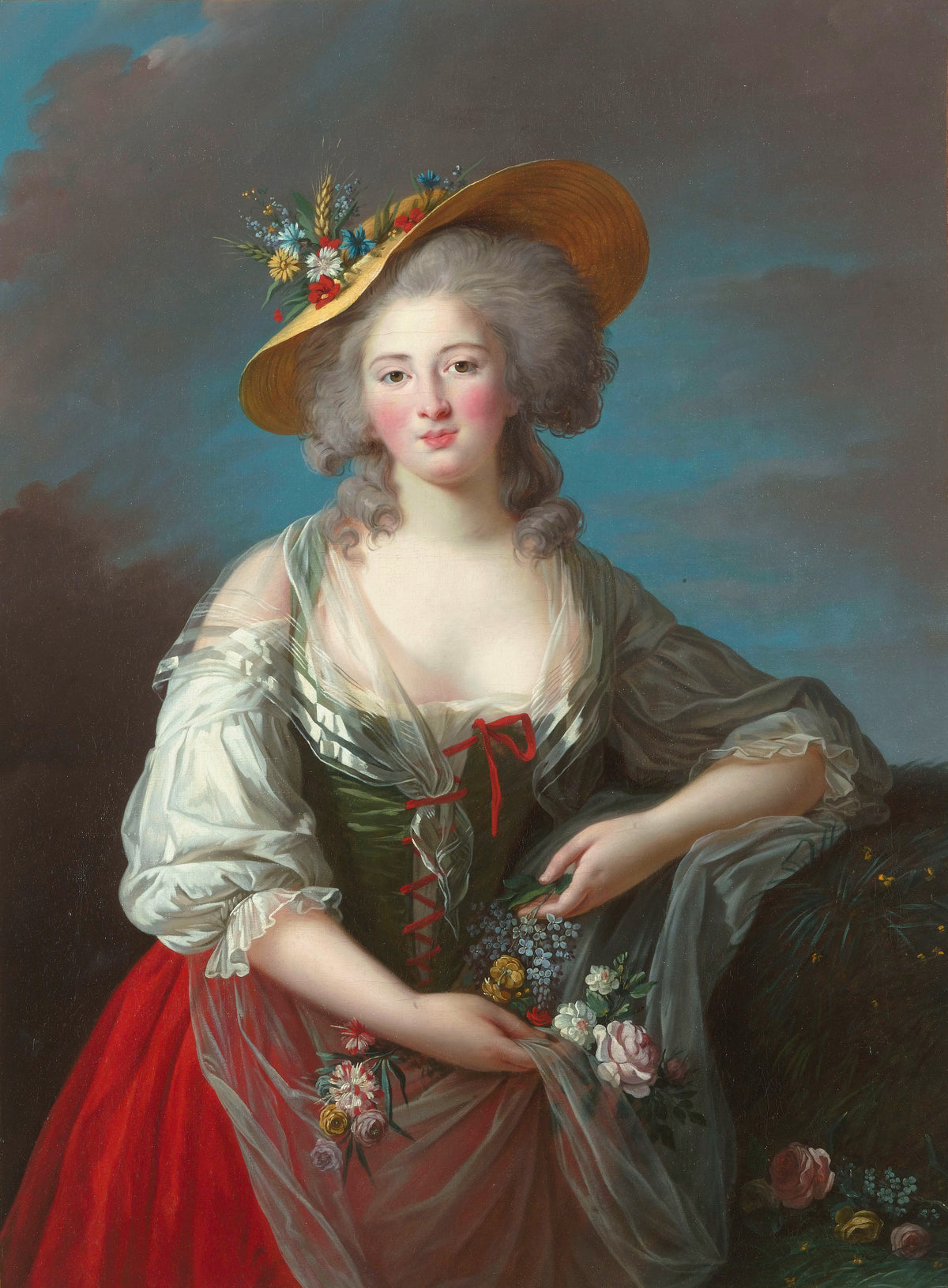
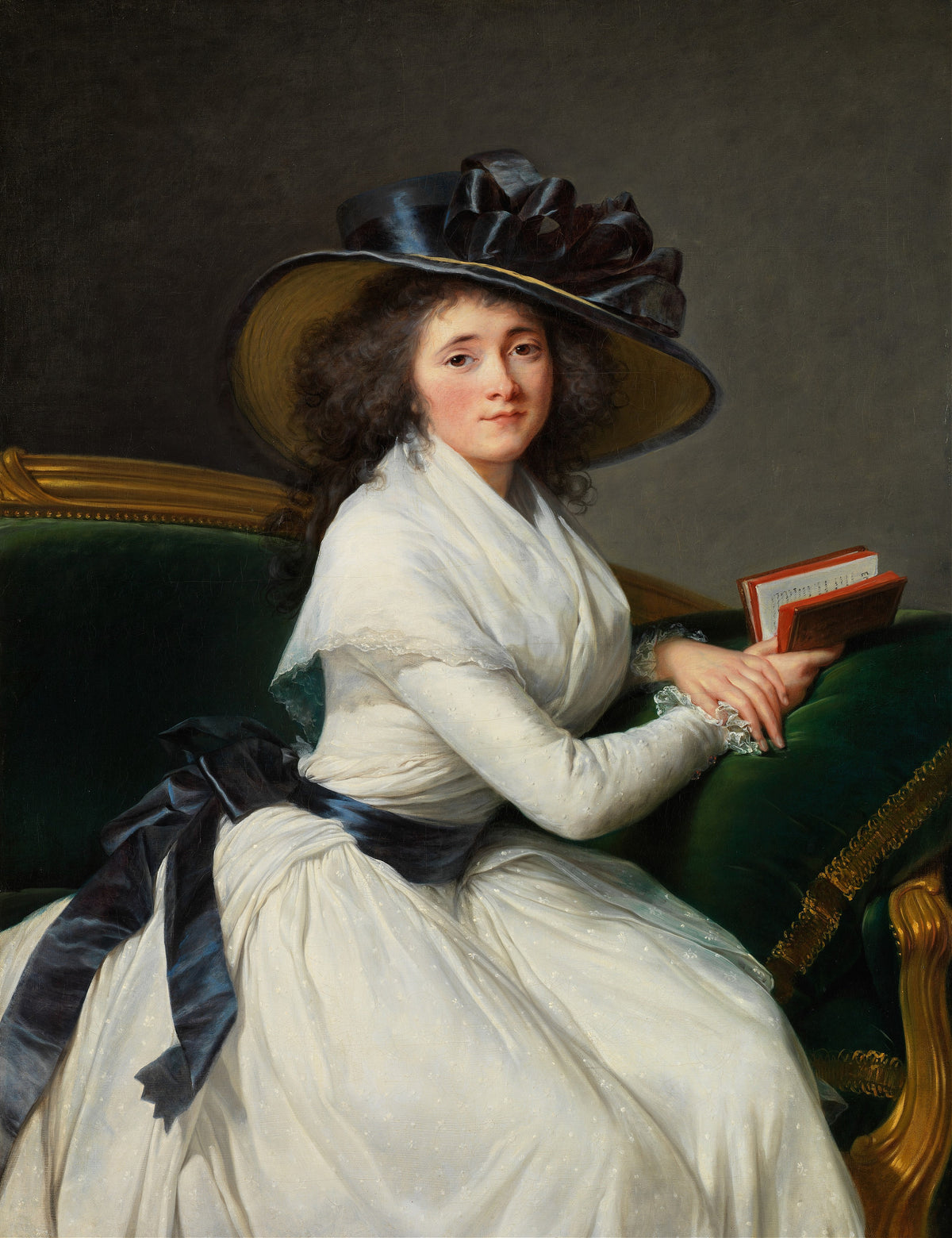
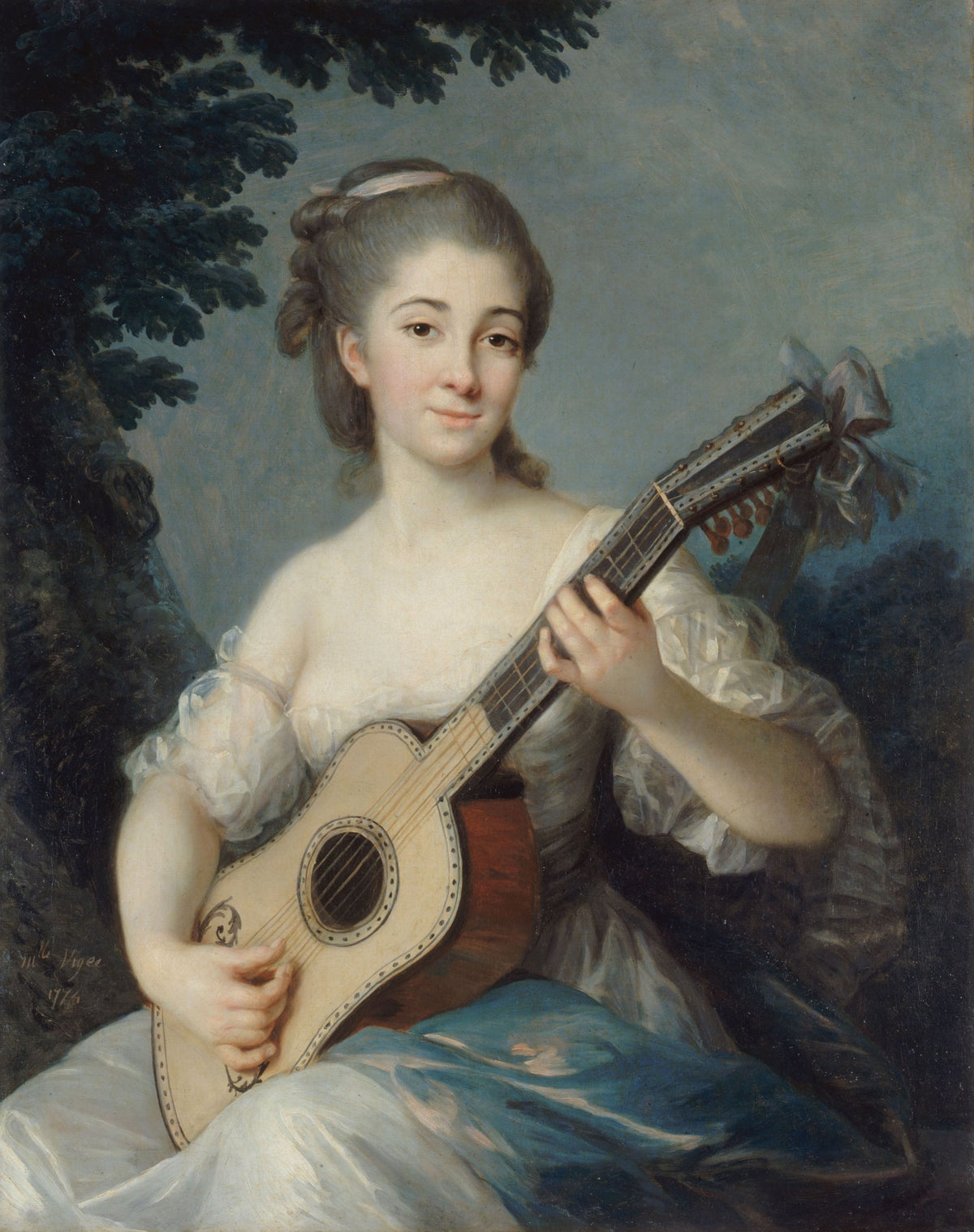
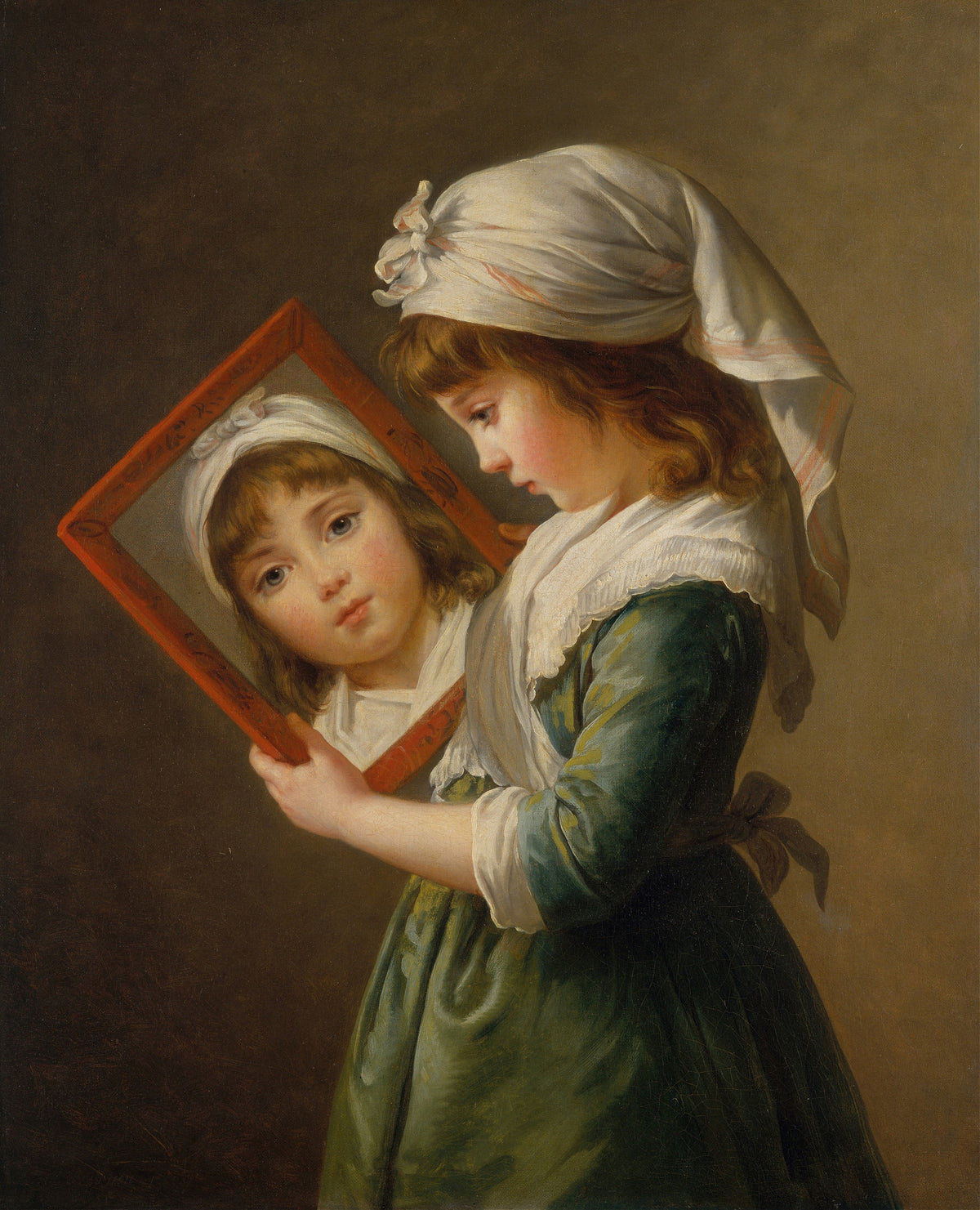
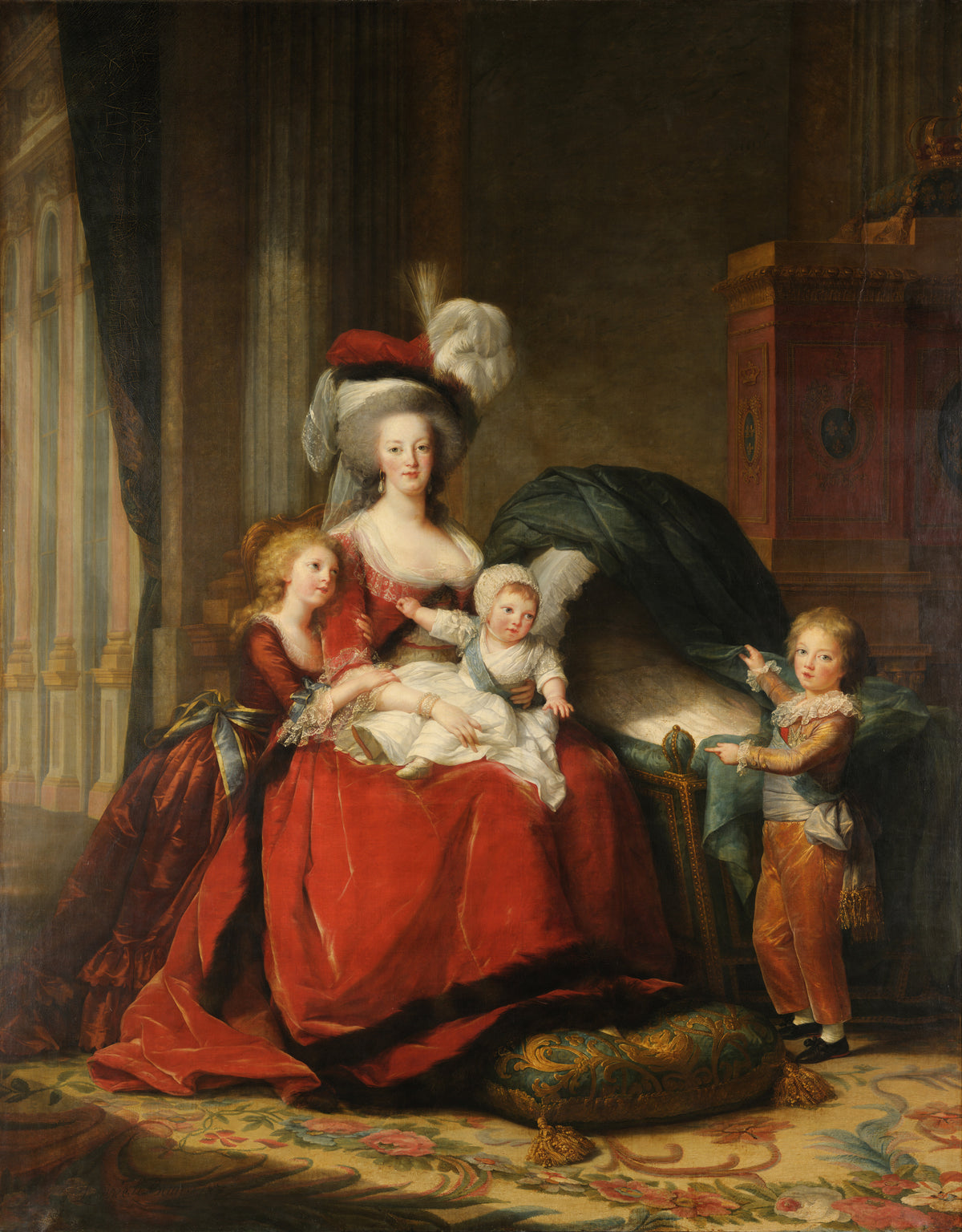
Élisabeth Louise Vigée Le Brun prints: reproductions of portraits by the French painter Élisabeth Louise Vigée Le Brun, made between 1774 and 1794. The collection includes Portrait of Marie Antoinette, Queen of France (1788), Marie Antoinette and Her Children (1787), Madame du Barry (1782), Self-Portrait (1781) and Julie Le Brun Looking in a Mirror (1787).
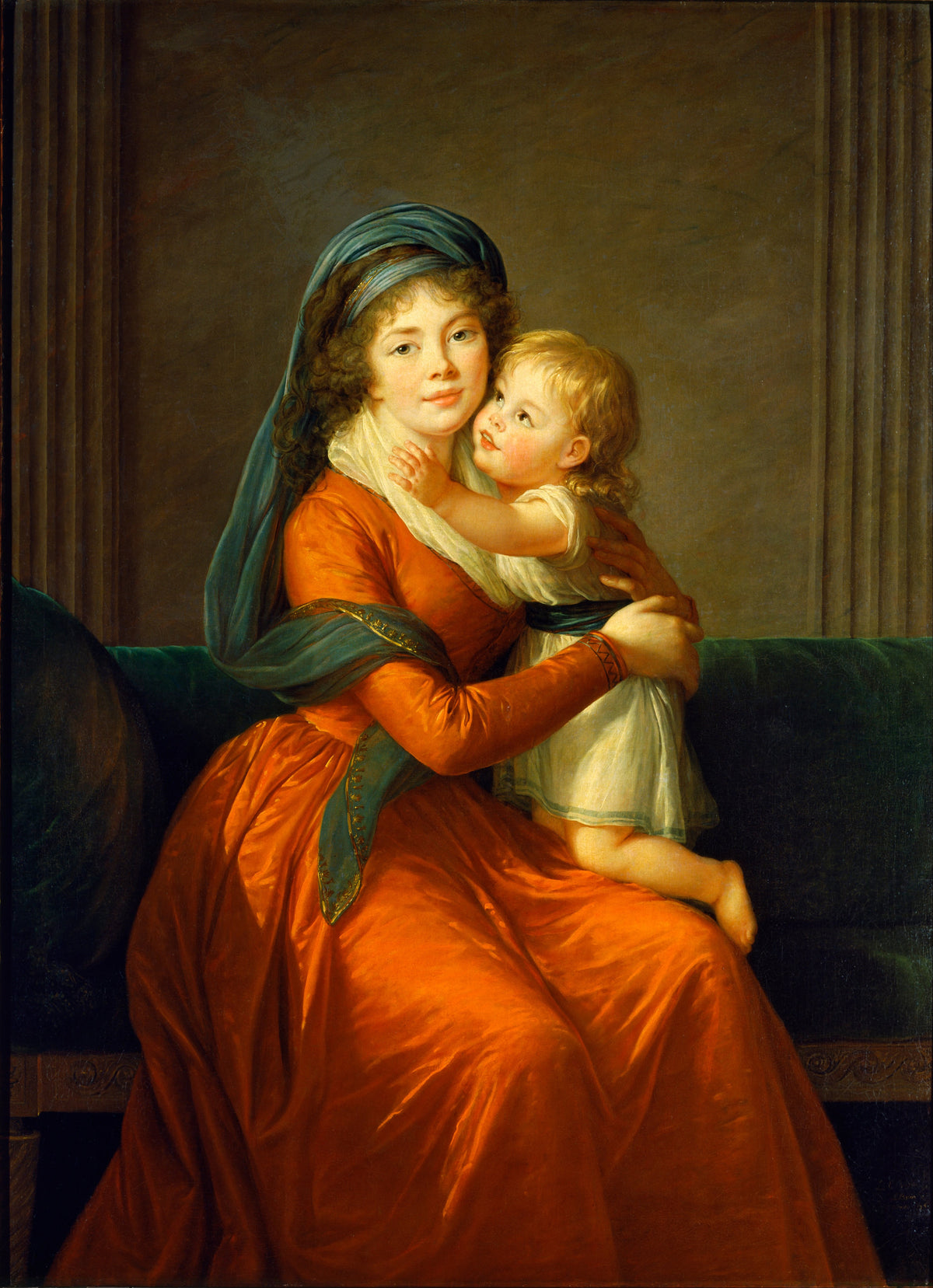
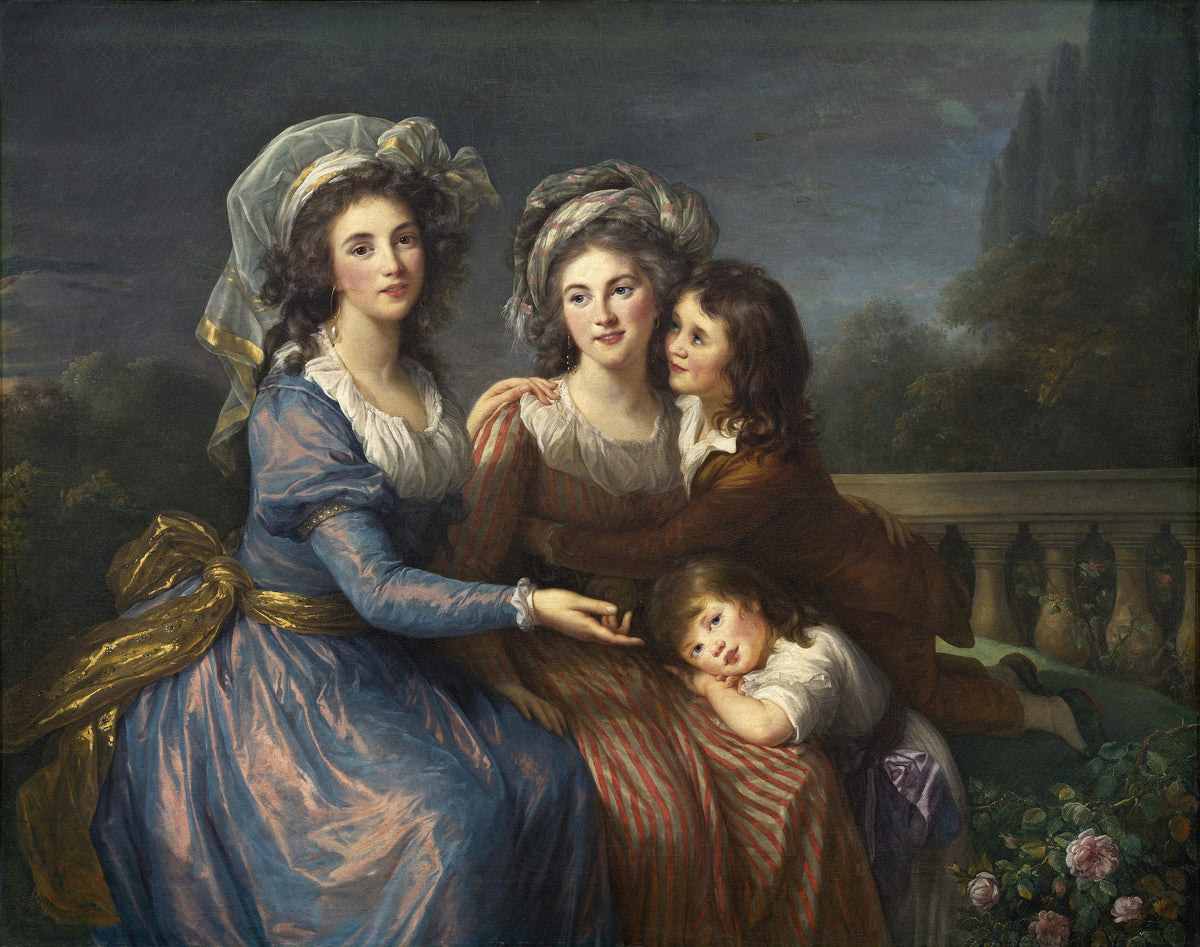
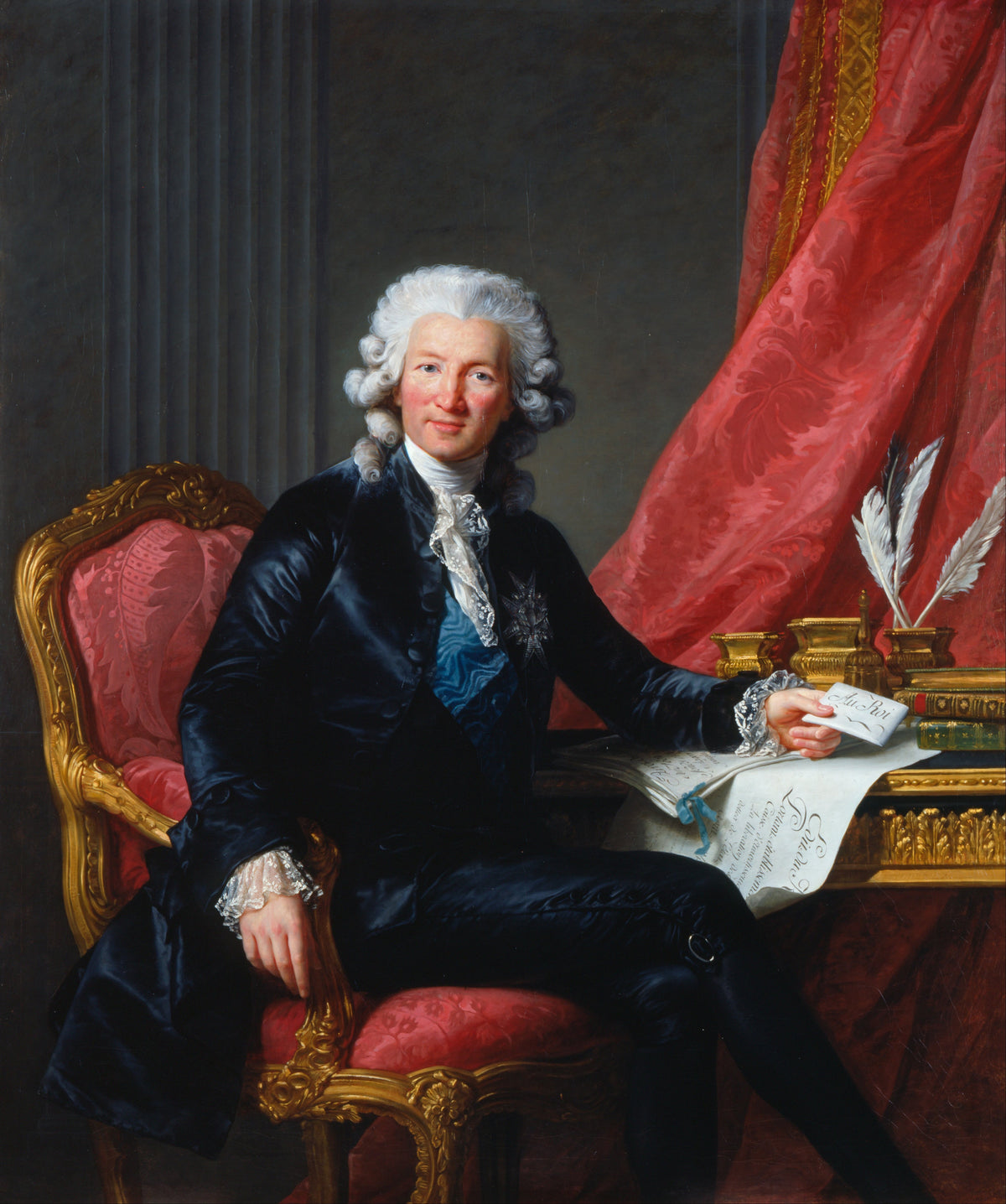
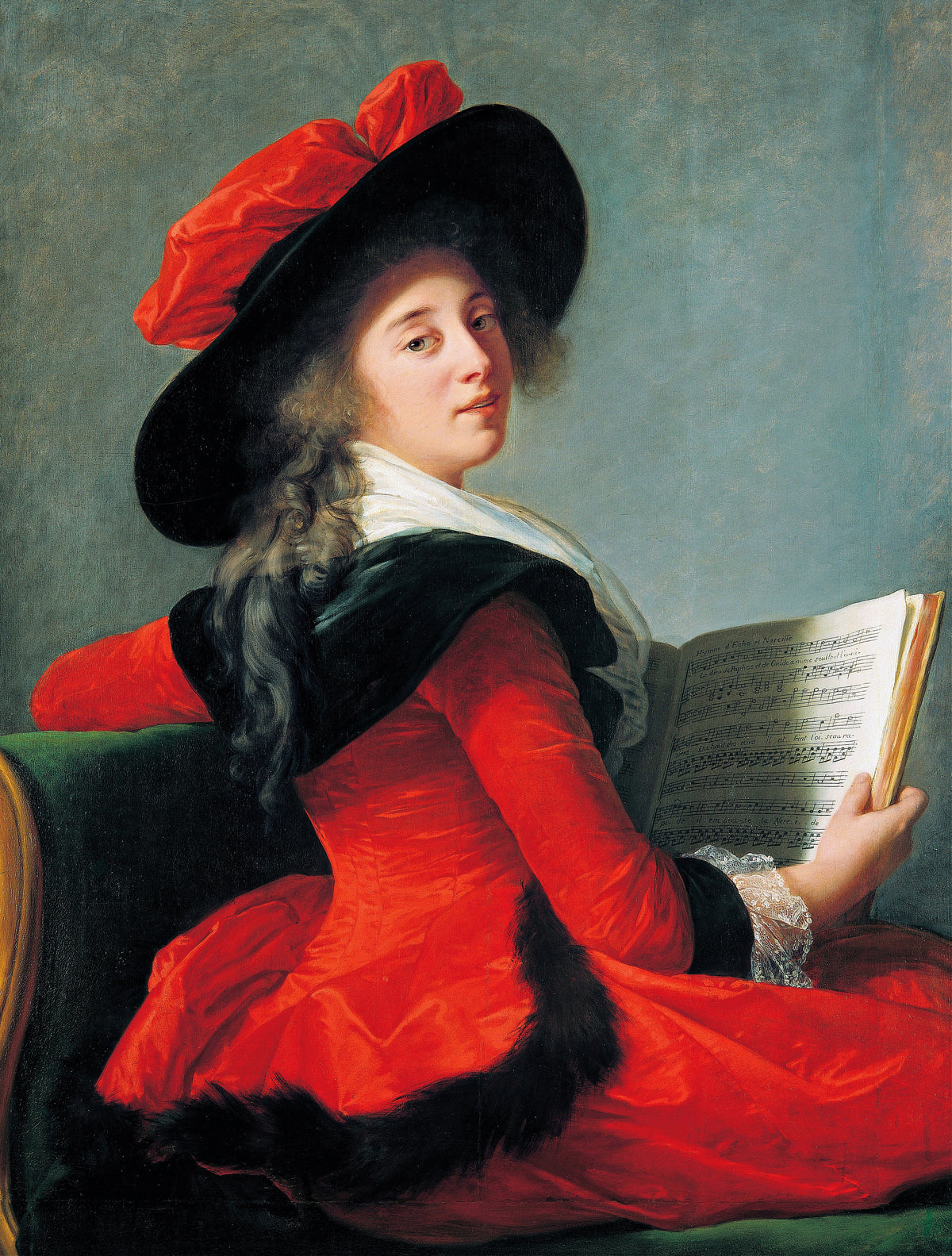
This selection focuses on her portraits of women and children of the French court and aristocracy, painted in soft light with loose hair, muslin, silk and ribbons. It includes mothers with their children, such as Princess Alexandra Golitsyna and Her Son Piotr (1794), and a smaller group of male sitters, among them the painter Hubert Robert (1788) and the envoy Muhammad Dervish Khan (1788).
The pale, warm colouring suits bedrooms, dressing rooms, living rooms and nurseries; the larger court portraits work in a dining room or above a fireplace. All prints are museum-quality reproductions, available unframed or framed with acrylic glazing, with free shipping and import duties covered.