Artist · 9 prints
Jan van Eyck Prints
About Jan van Eyck
Jan van Eyck (before 1390–1441) was a painter from the Low Countries, probably born in Maaseik, in present-day Belgium. He is first recorded in 1422 working in The Hague for John of Bavaria, ruler of Holland. From 1425 he was court painter to Philip the Good, Duke of Burgundy, based in Bruges and Lille, and in 1428 the duke sent him to Portugal to paint Isabella of Portugal, his future bride. Jan van Eyck died in Bruges on 9 July 1441.
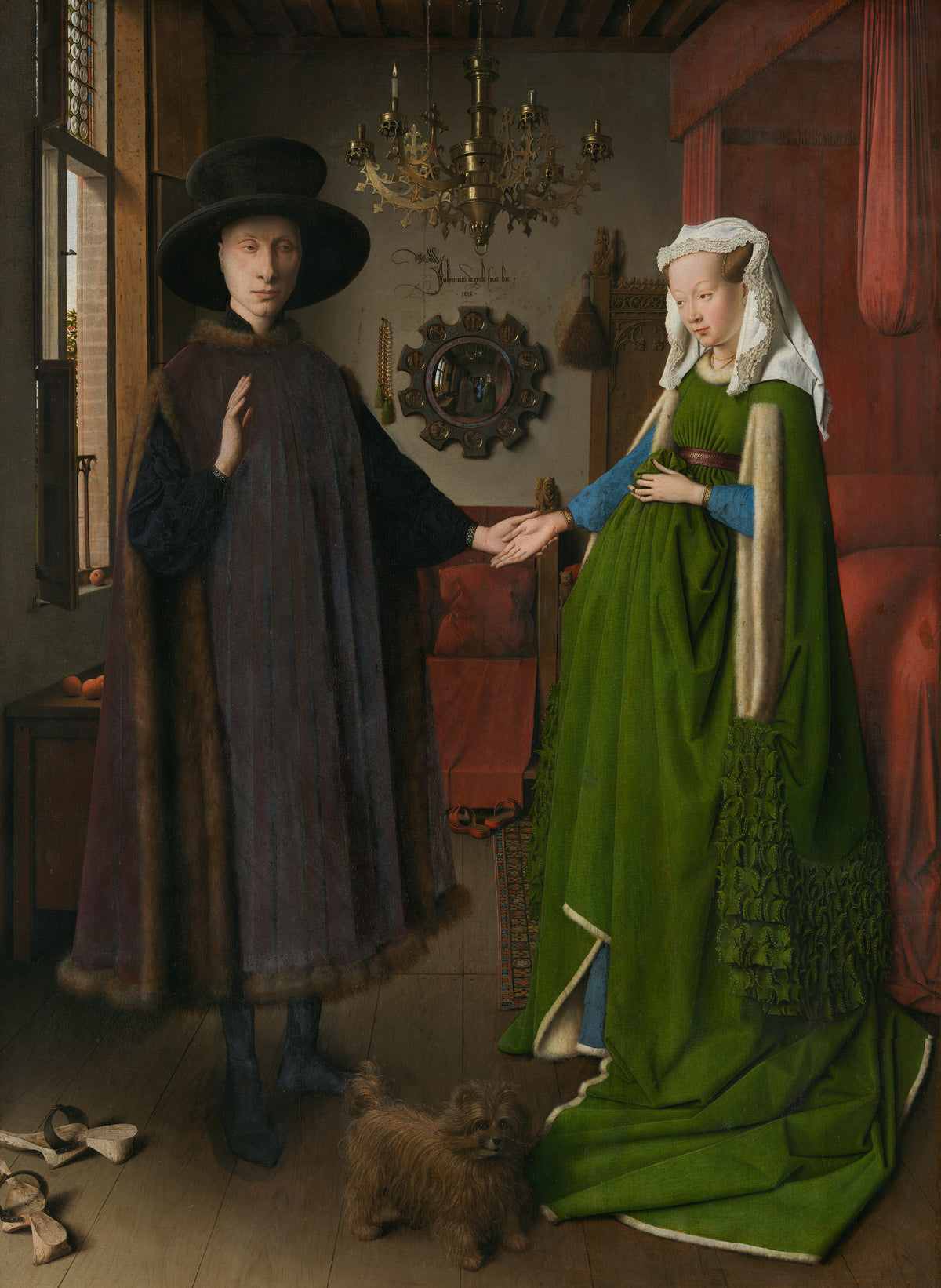
Van Eyck built up oil paint in thin, translucent layers called glazes, which let him show light on metal, fur, glass and skin in minute detail. He did not invent oil painting, as was long claimed, but he used it with a new level of control. With his brother Hubert he made the Ghent Altarpiece, completed in 1432 for what is now St Bavo's Cathedral in Ghent. His Arnolfini Portrait (1434), with its famous convex mirror, is in the National Gallery, London.
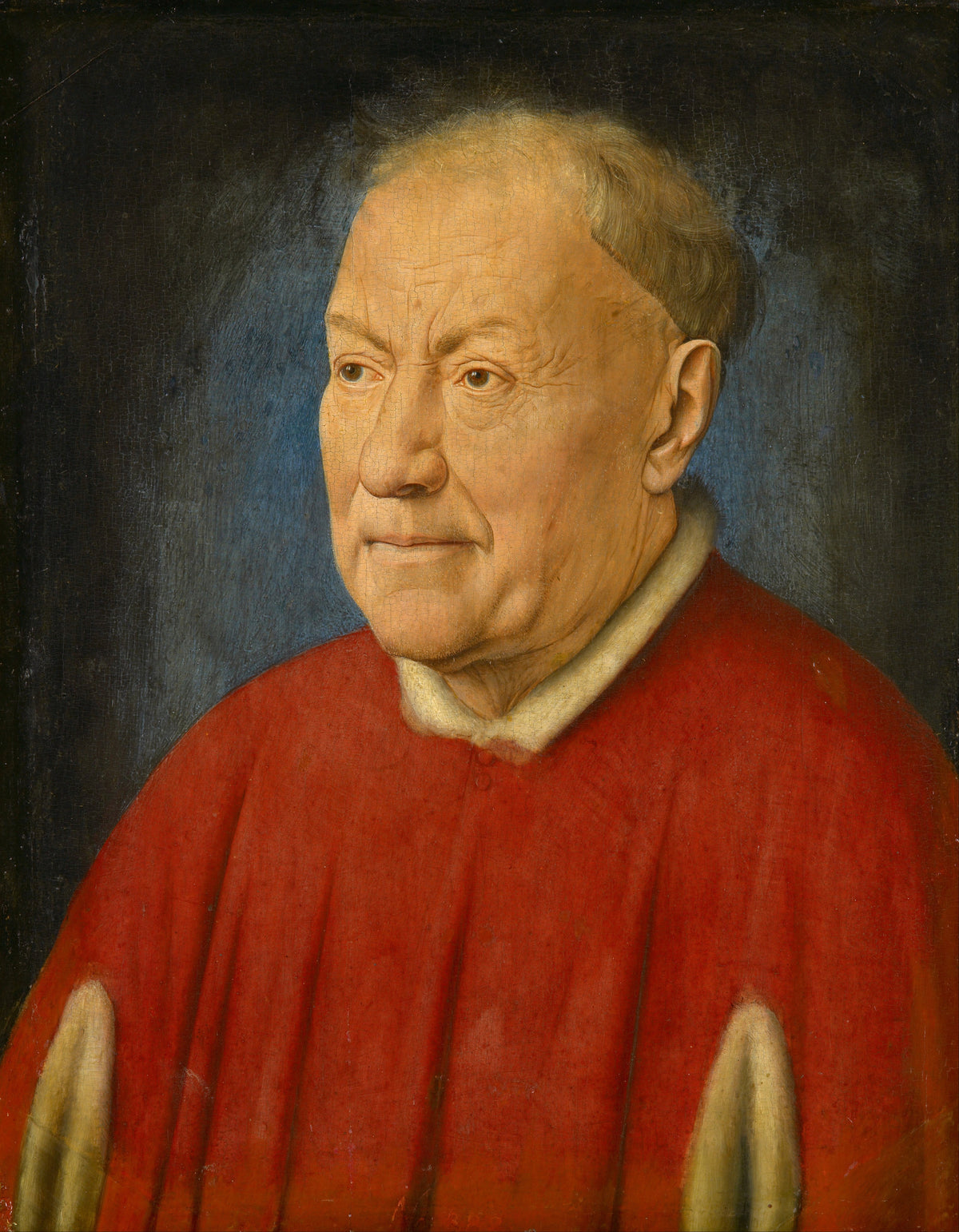
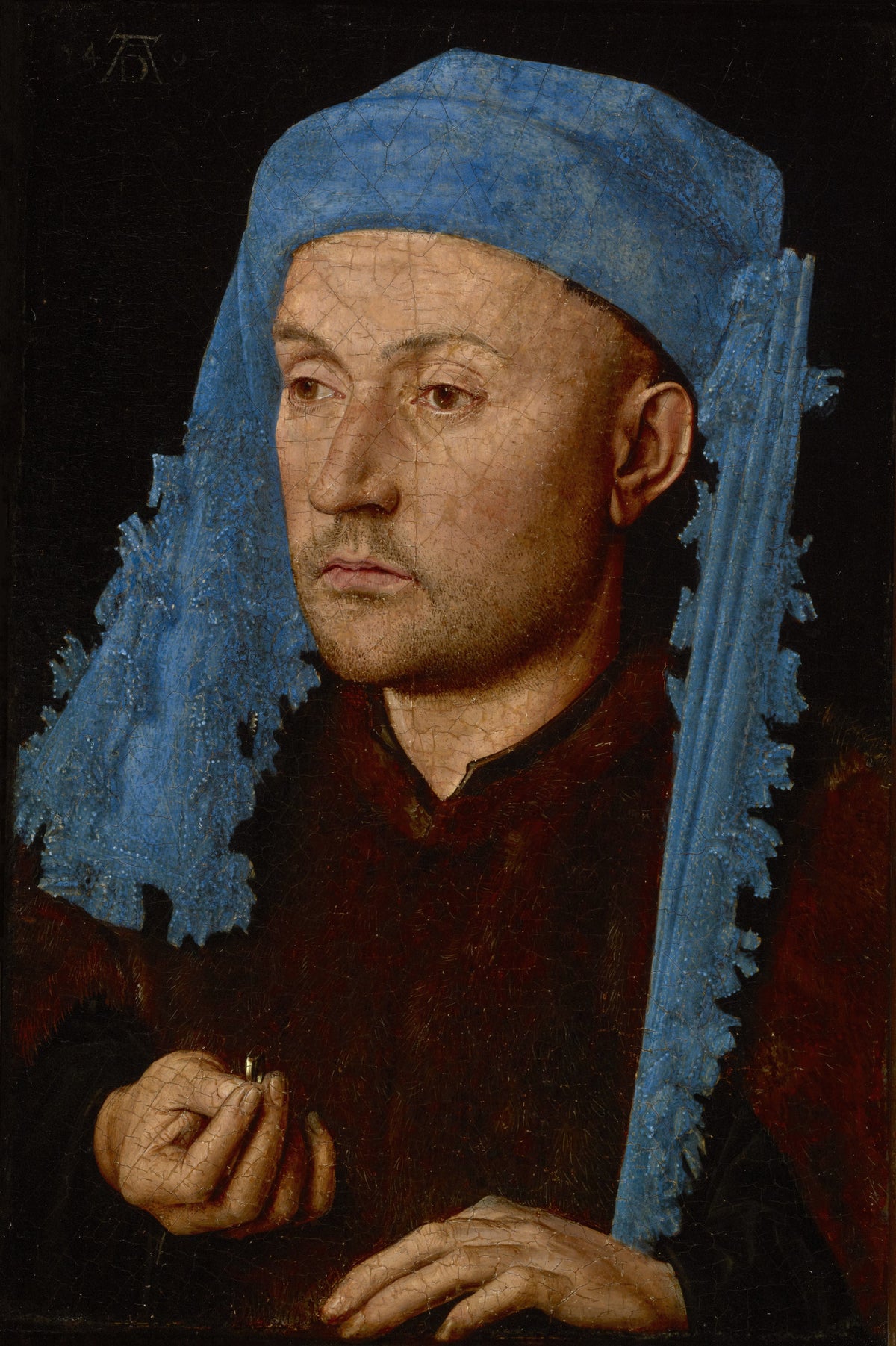
Jan van Eyck prints: reproductions of oil paintings by the early Netherlandish painter Jan van Eyck, made between 1429 and 1439. The collection includes The Arnolfini Portrait (1434), the Adoration of the Lamb (1432) from the Ghent Altarpiece, Man in a Blue Cap (1429), the Lucca Madonna (1437) and Madonna at the Fountain (1439).
This selection covers his two main subjects: religious panels of the Virgin, the Annunciation and the Lamb, and close portraits such as that of his wife, Margareta van Eyck. The works share deep reds, blues and greens, gold detail and careful rendering of fabric, metal and light.
The rich, dark colours suit dining rooms, studies and libraries; the small portraits and Madonnas work well in a bedroom or a quiet corner. All prints are museum-quality reproductions, available unframed or framed with low-glare acrylic glazing, with free shipping and import duties covered.