Artist · 70 prints
Kim Hong-do (Danwon) Prints
About Kim Hong-do
Kim Hong-do, often known by his art name Danwon, was a Korean painter of the Joseon dynasty, born in 1745. The year of his death is uncertain, usually given as around 1806. He grew up in what is now Ansan and studied as a boy with the scholar-painter Kang Se-hwang. In 1766 he joined the Dohwaseo, the royal bureau of court painters, and he was a favourite of King Yeongjo and King Jeongjo, painting the portrait of the future King Jeongjo in 1771.
Kim Hong-do painted landscapes, Buddhist and Daoist figures, animals and flowers, and his Nineteen Taoist Immortals (1776) made his name. He is best loved for his genre paintings of ordinary people at work and at leisure. They are humorous and lively, each figure with its own face and mood, often set against a blank background. His album Genre Paintings by Danwon, 25 leaves, is in the National Museum of Korea in Seoul. Kim Hong-do remains one of the best-loved painters in Korea.
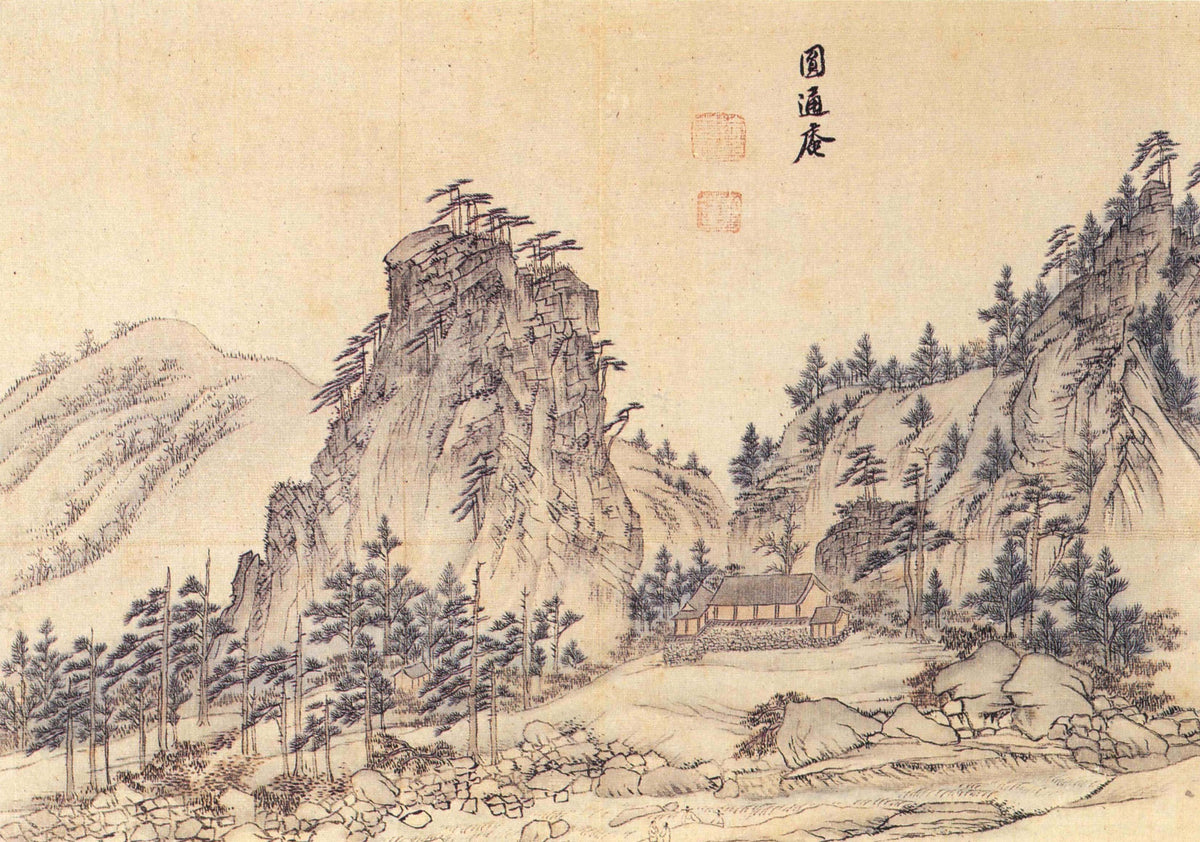
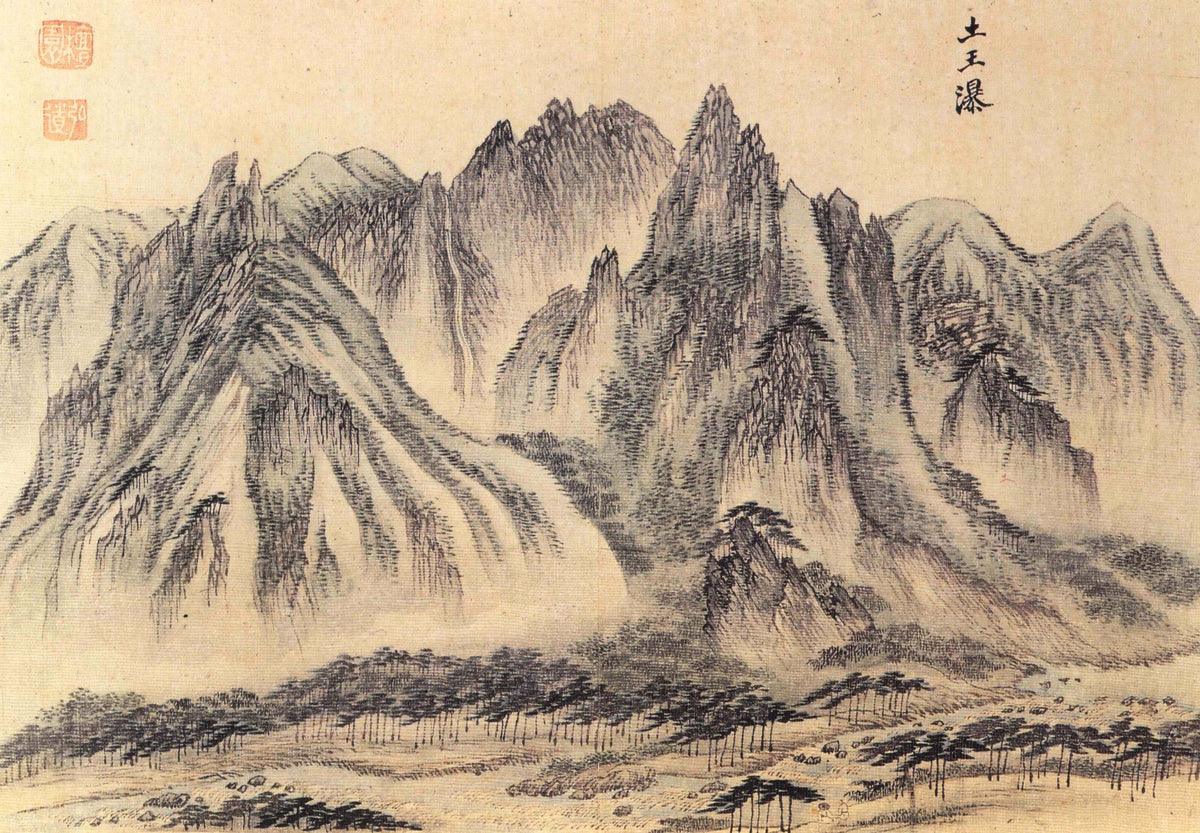
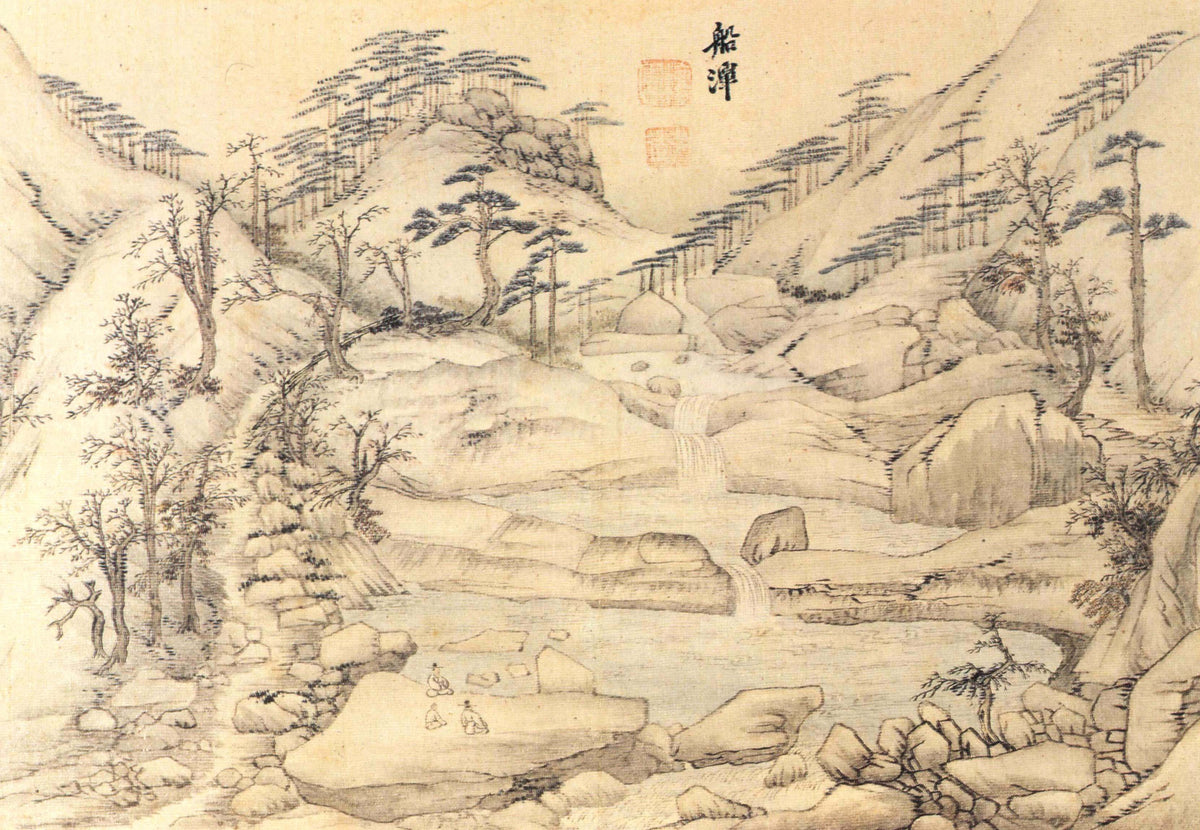
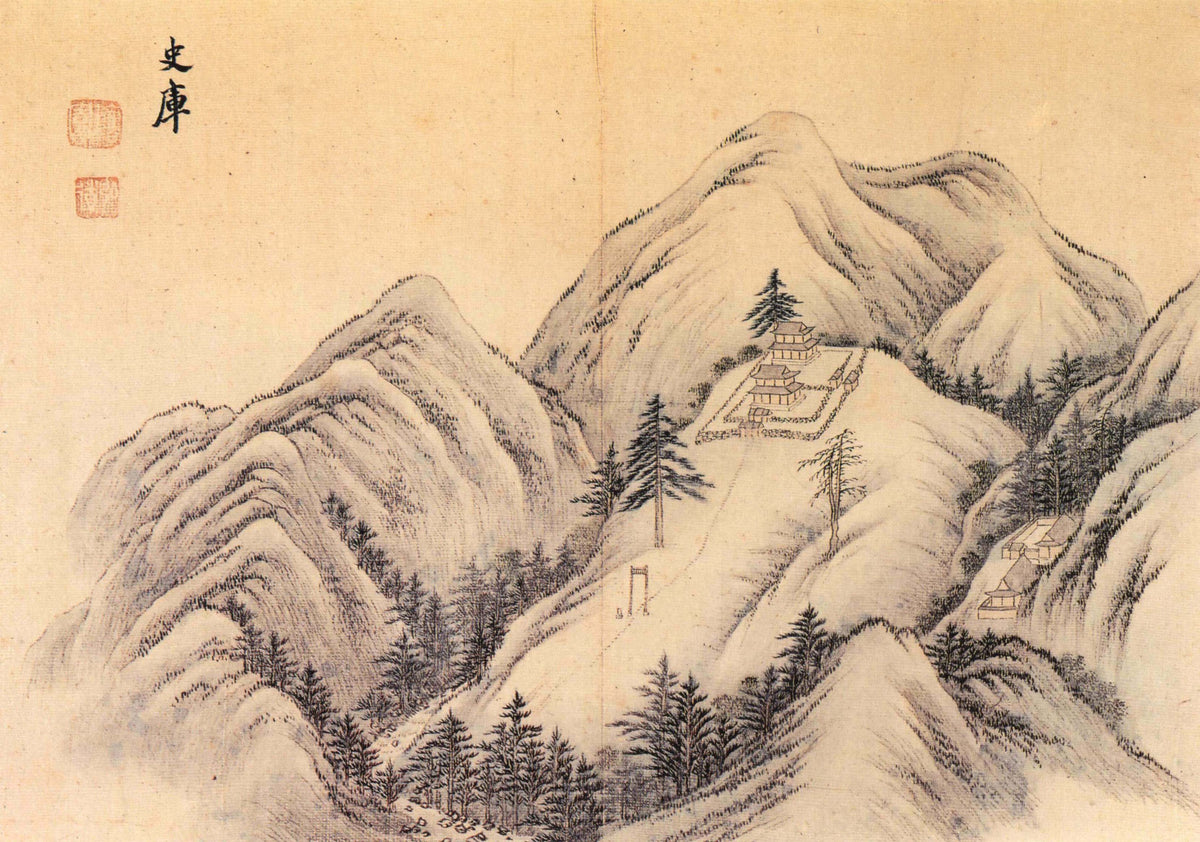
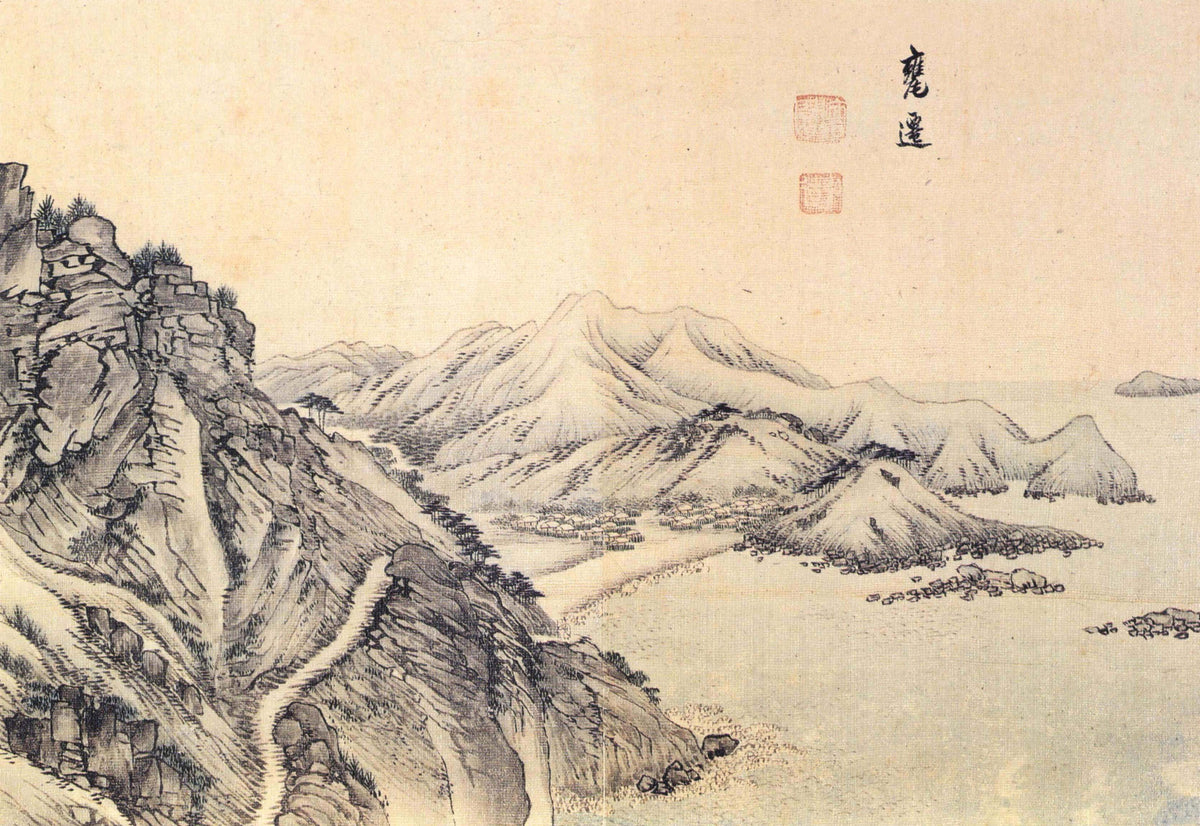
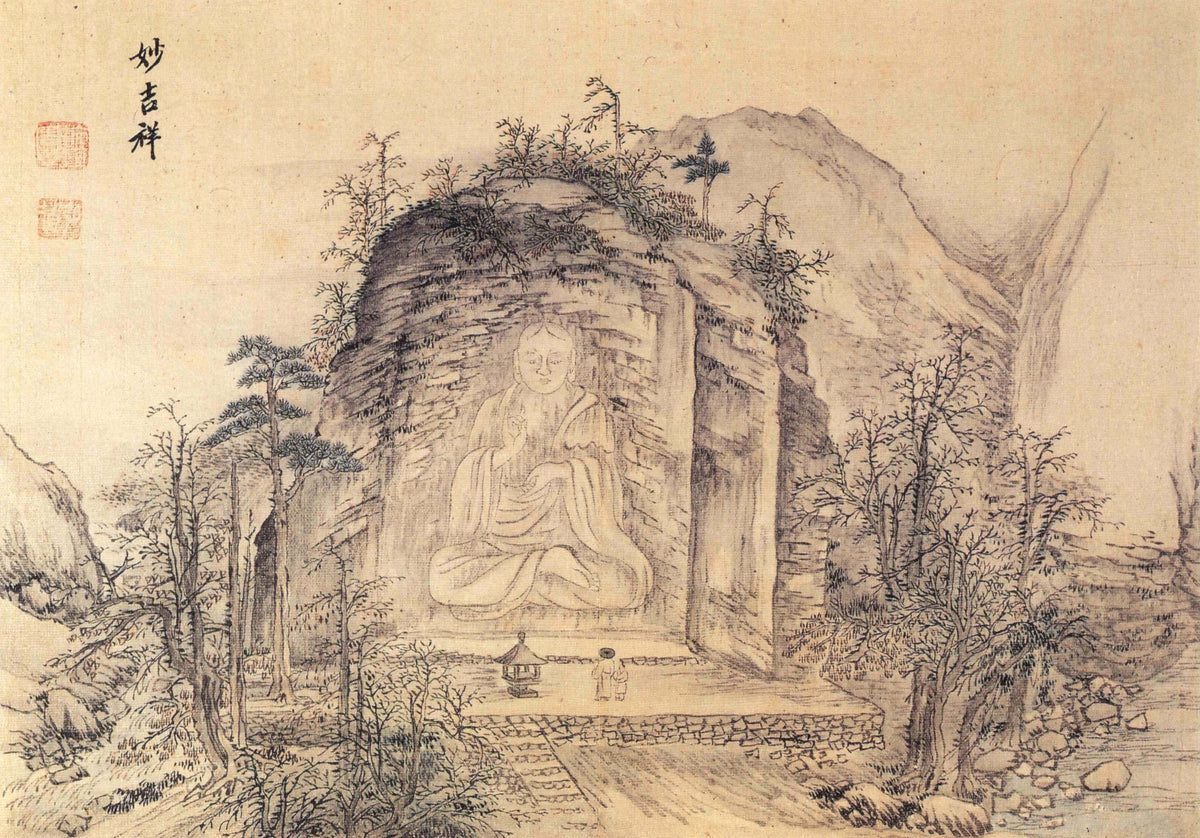
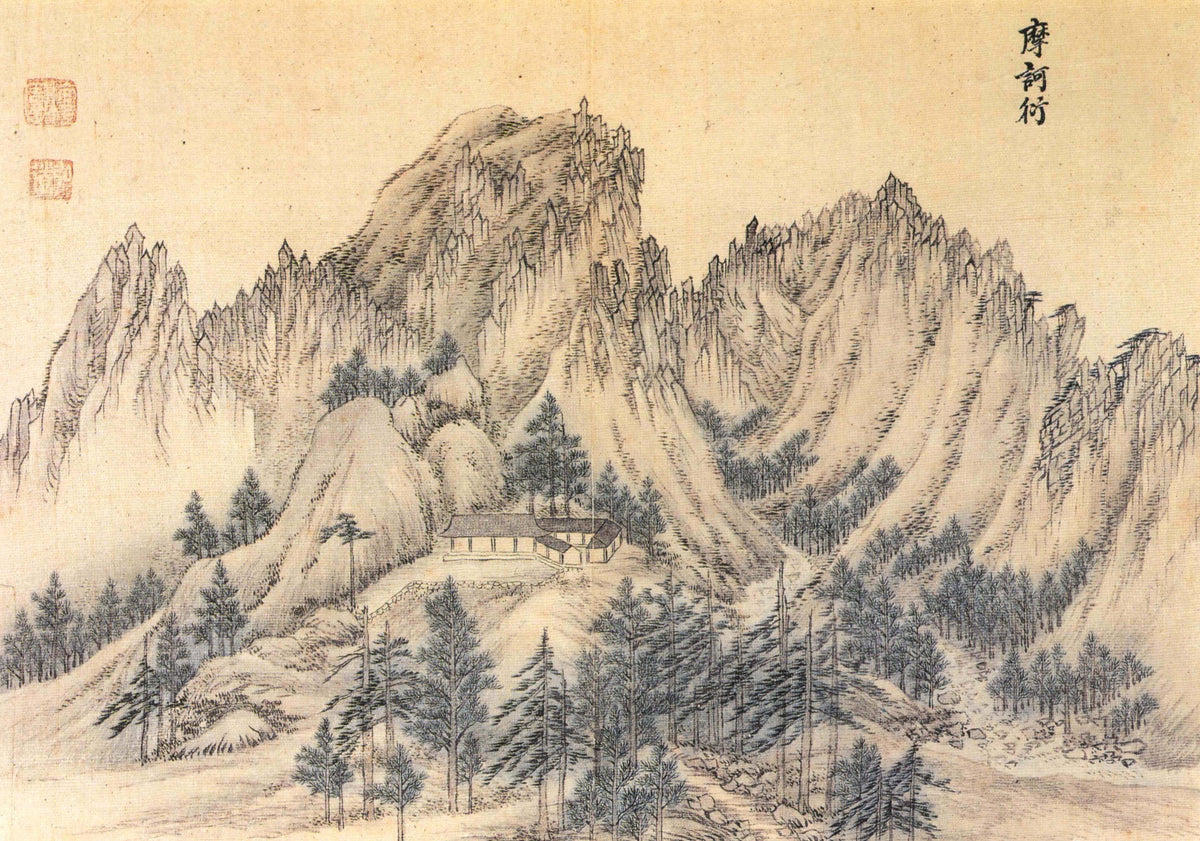
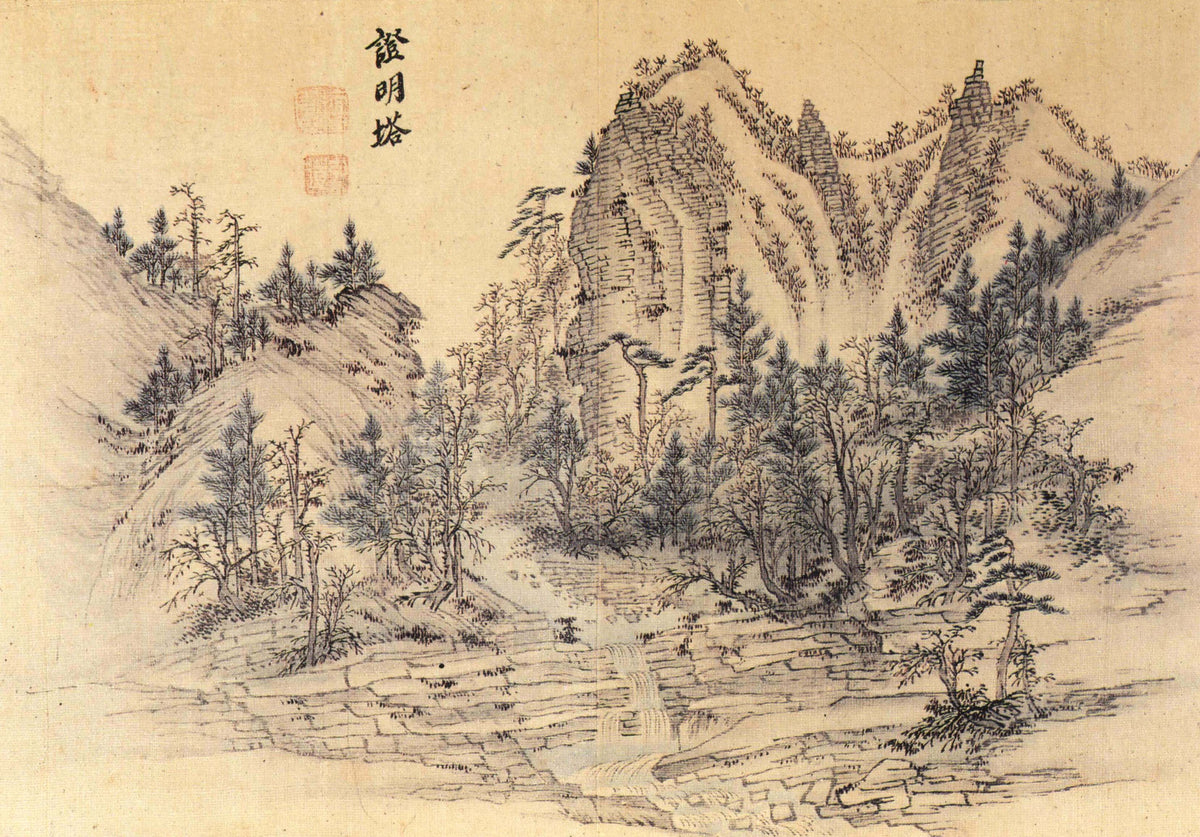
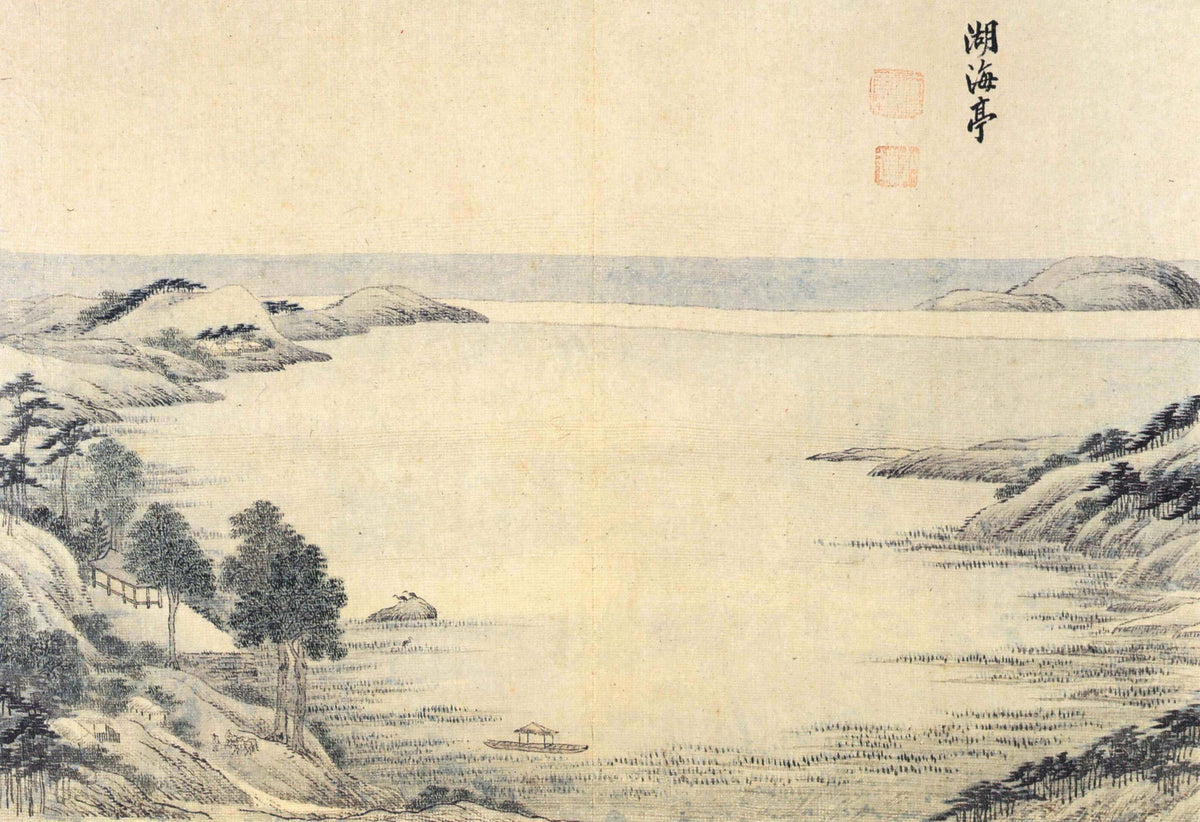
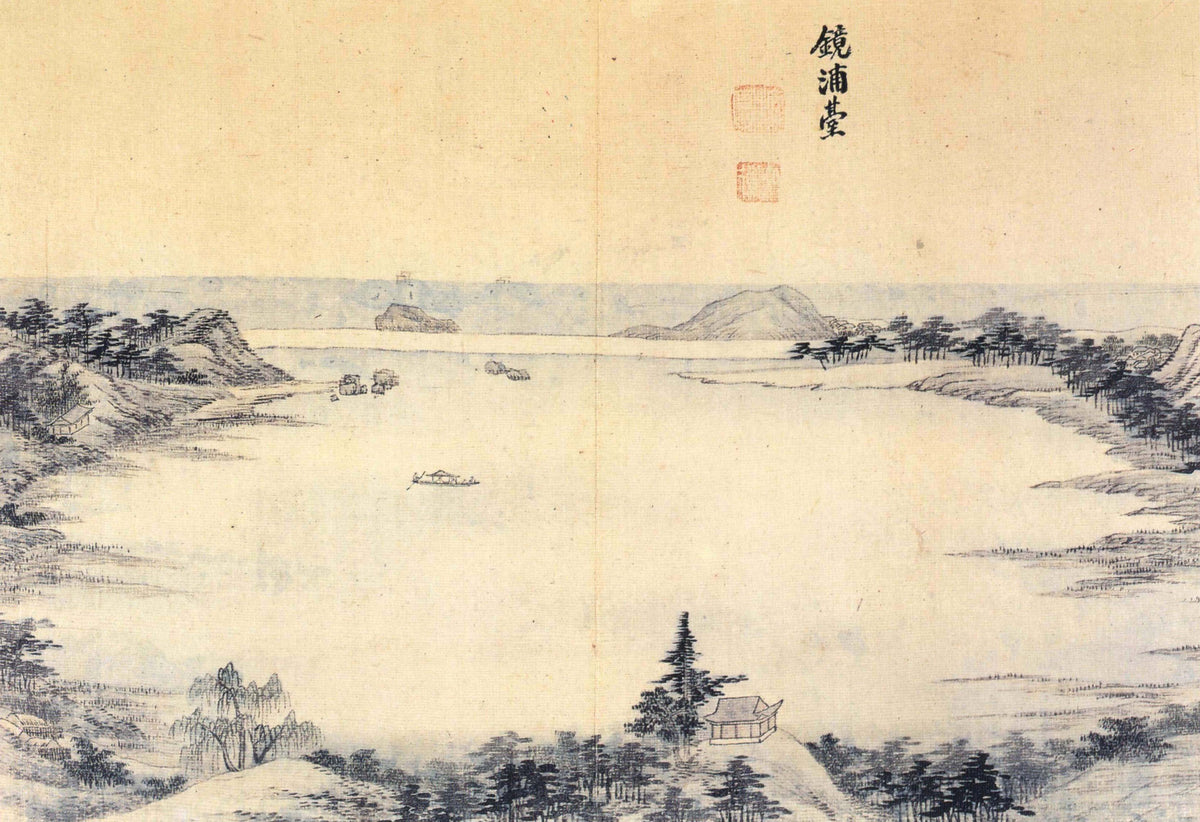
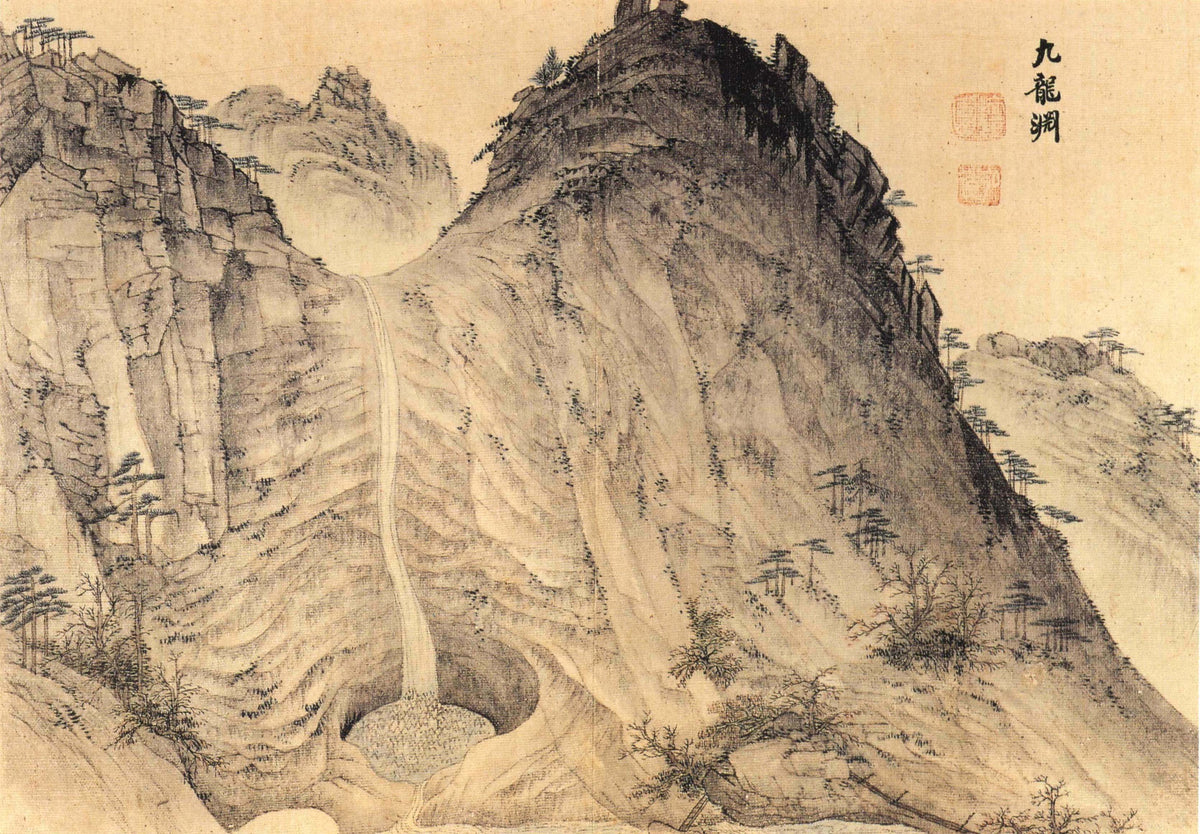
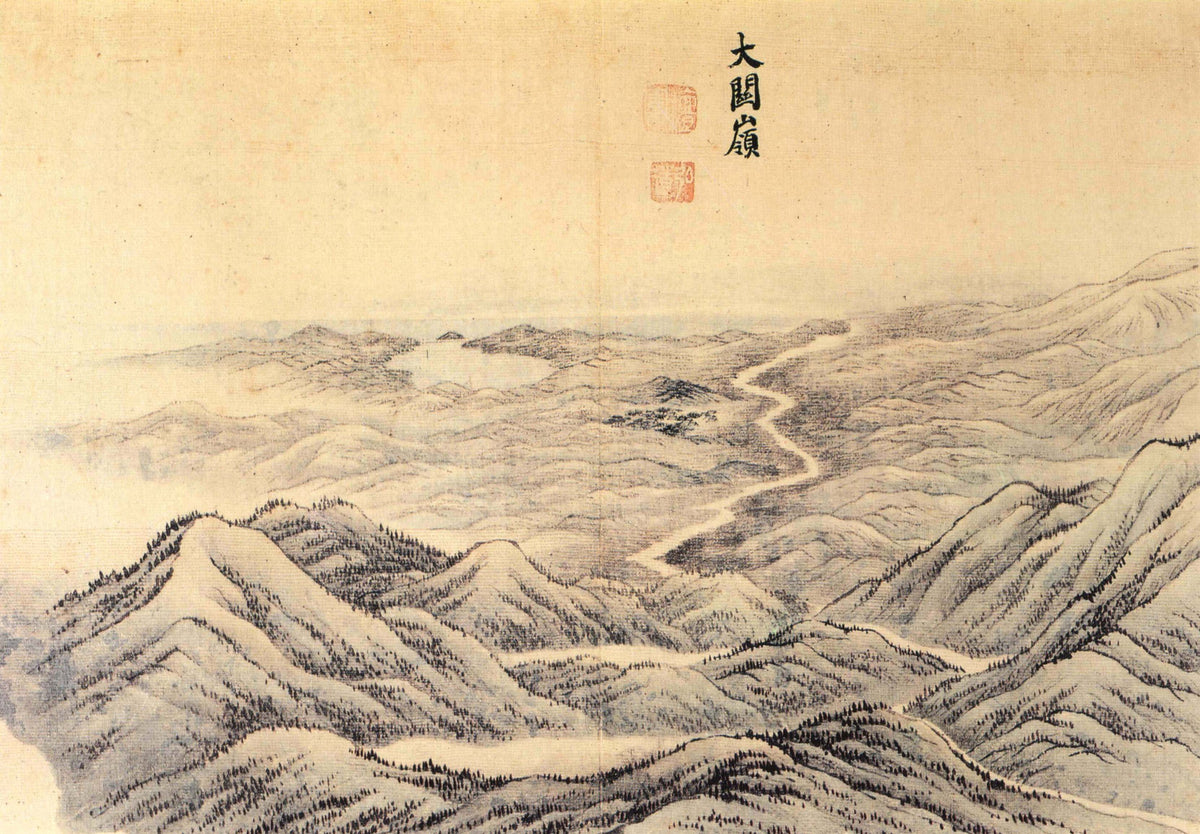
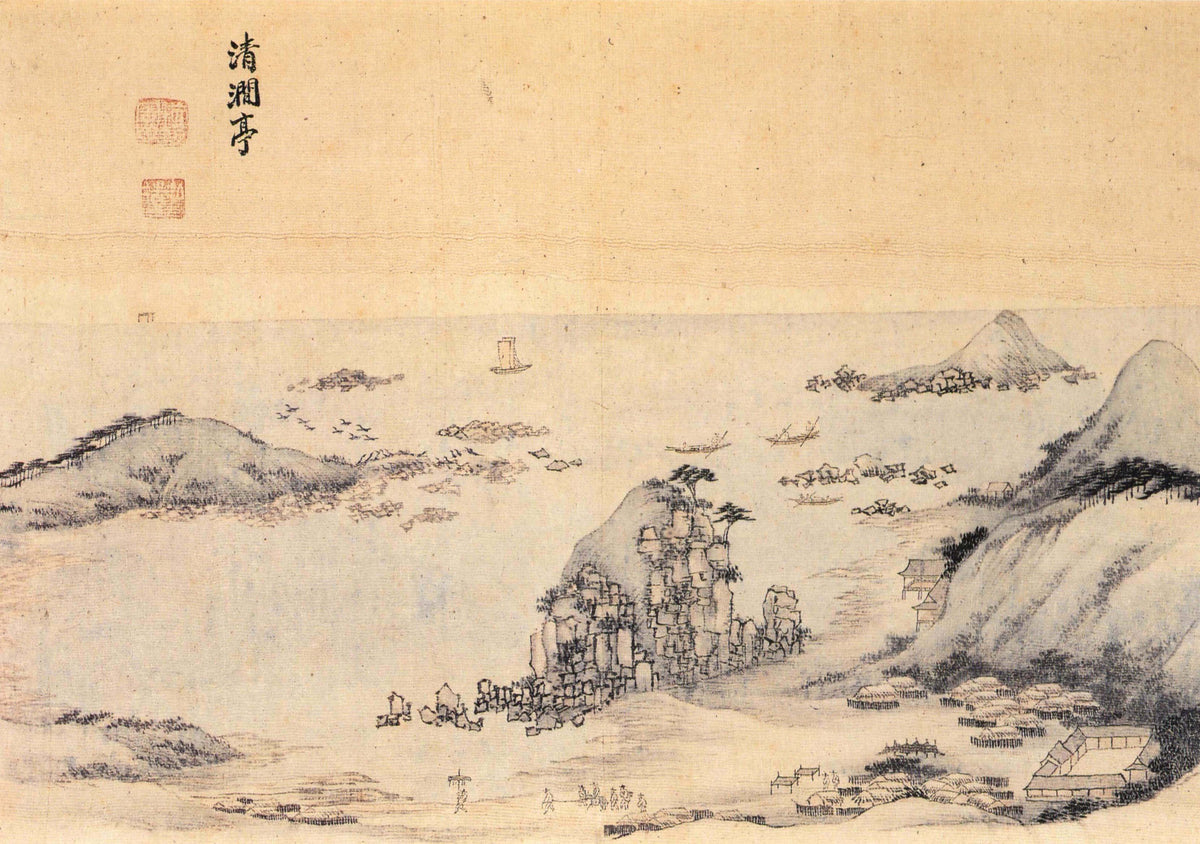
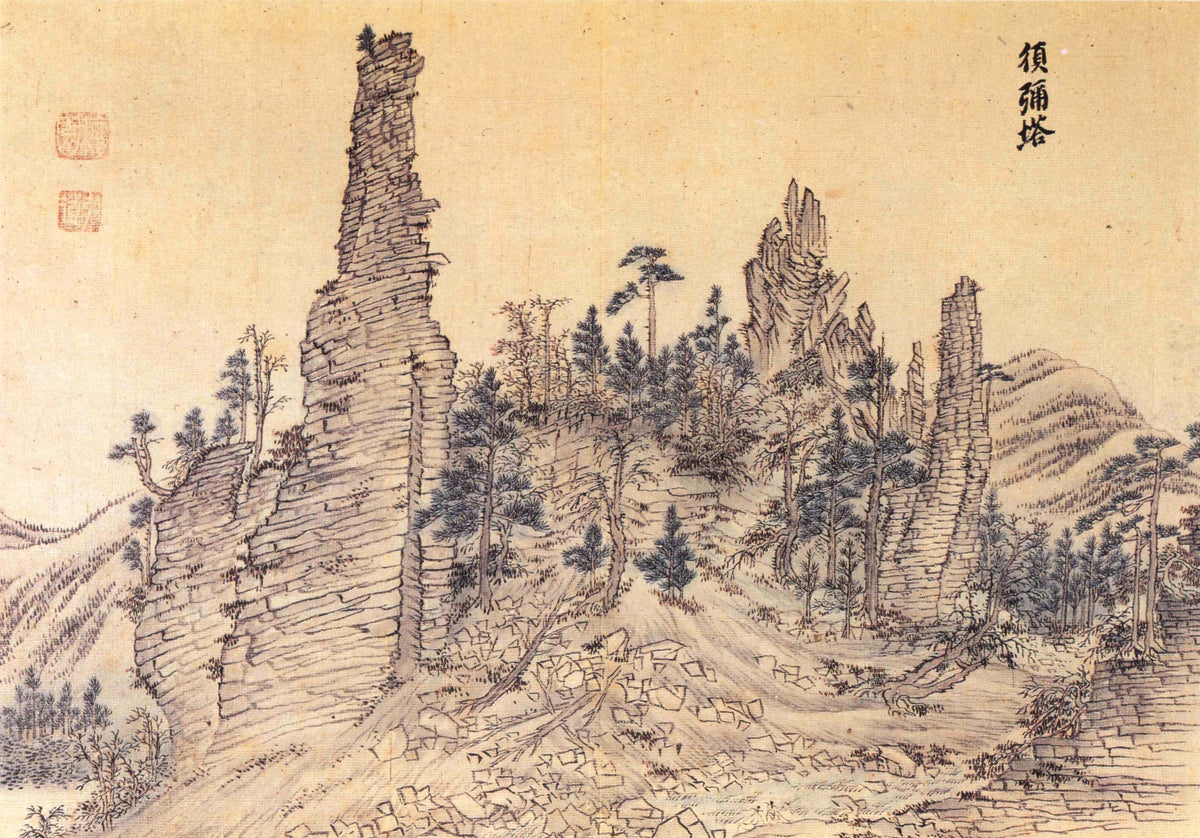
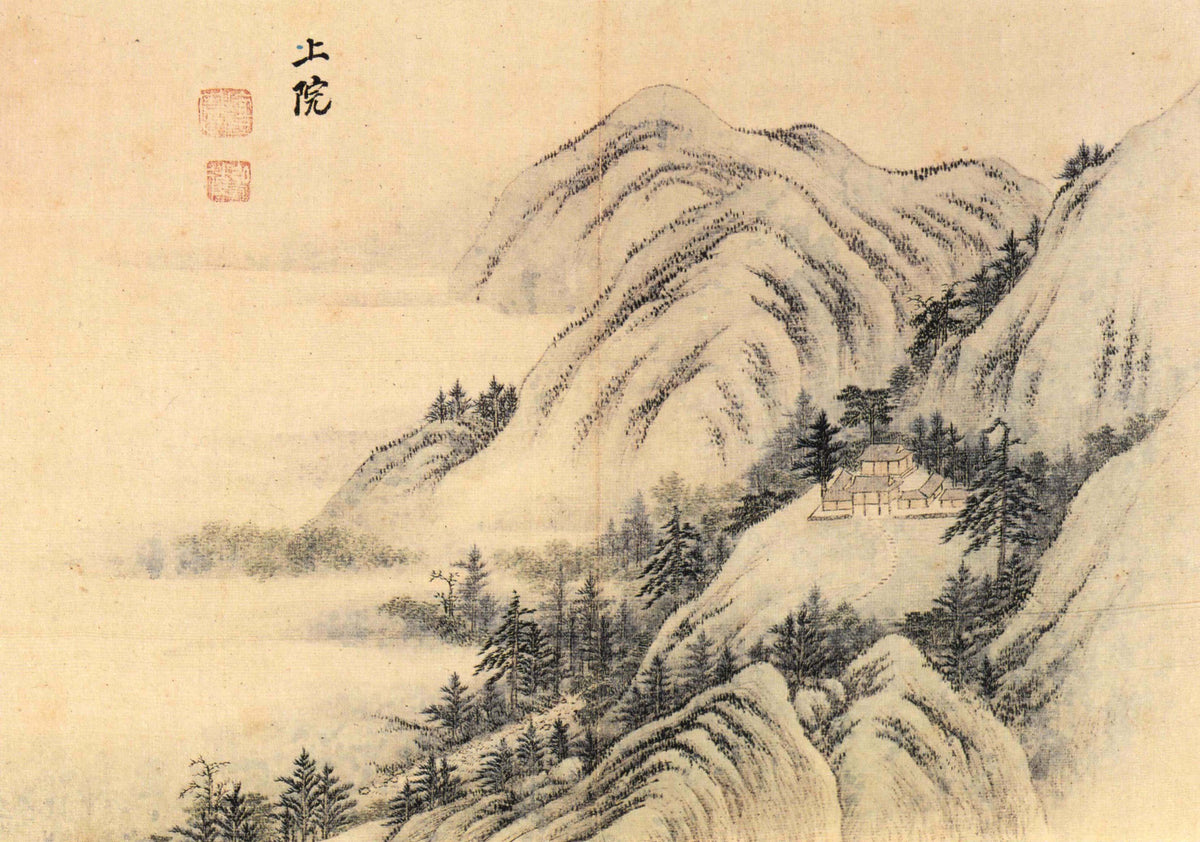
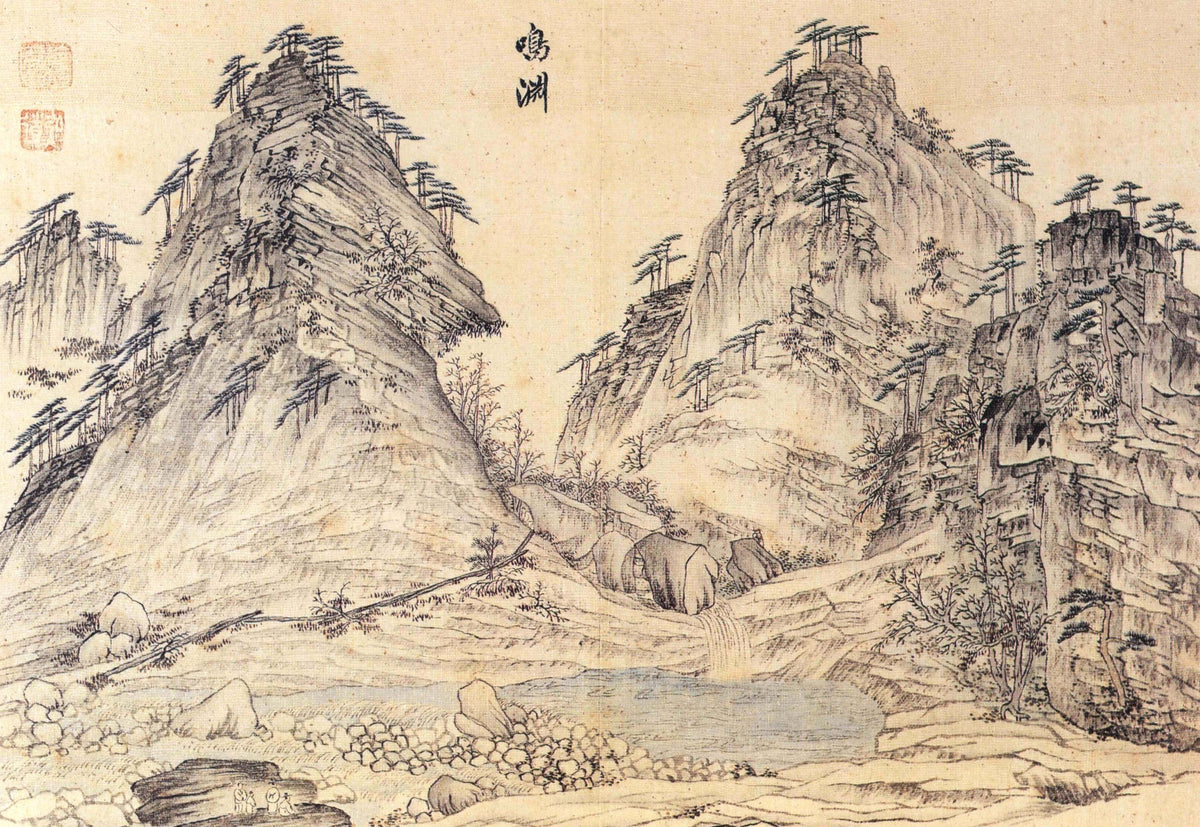
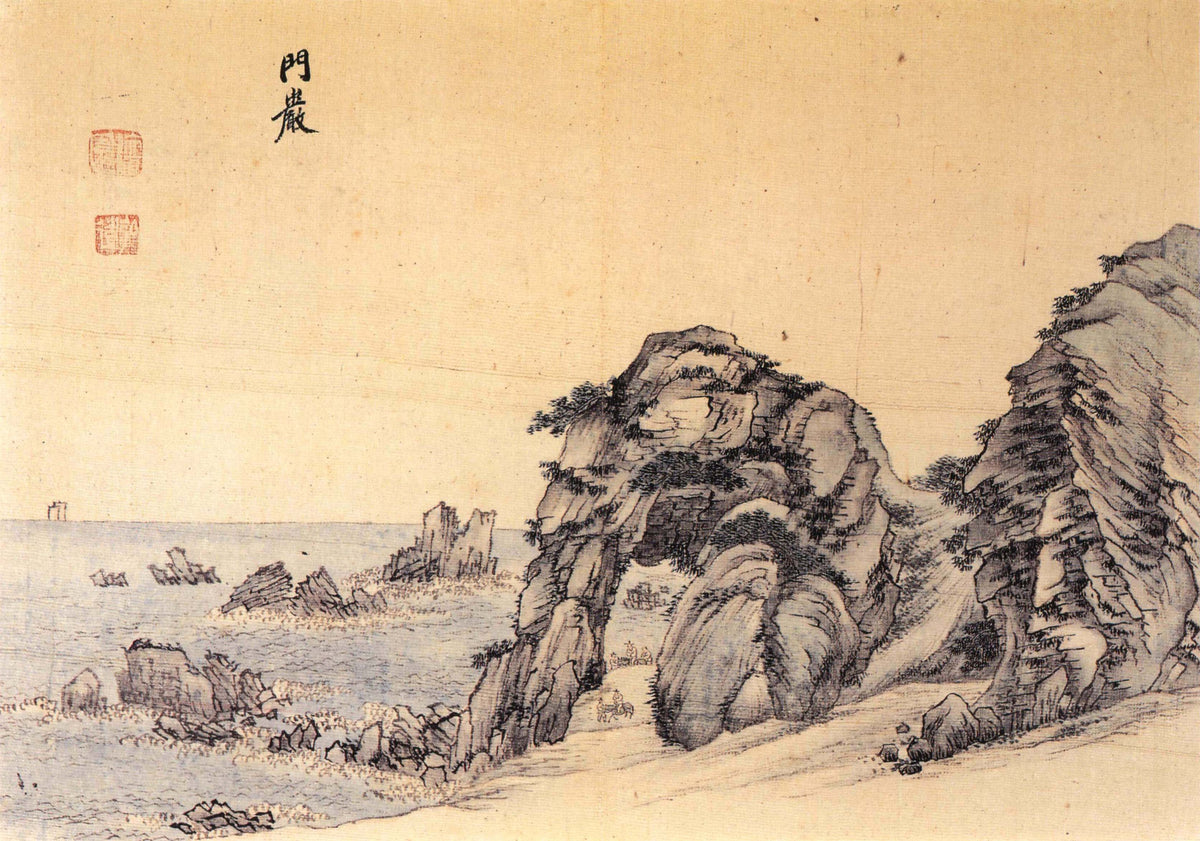
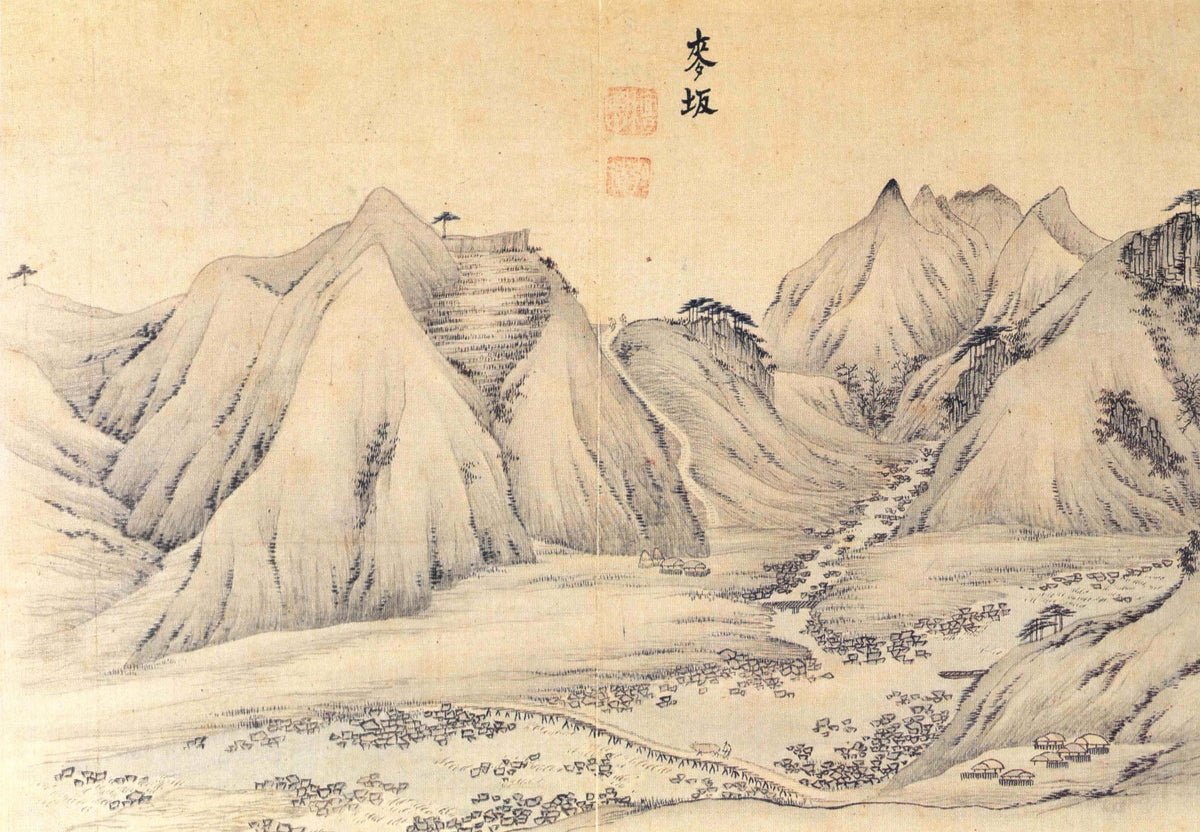
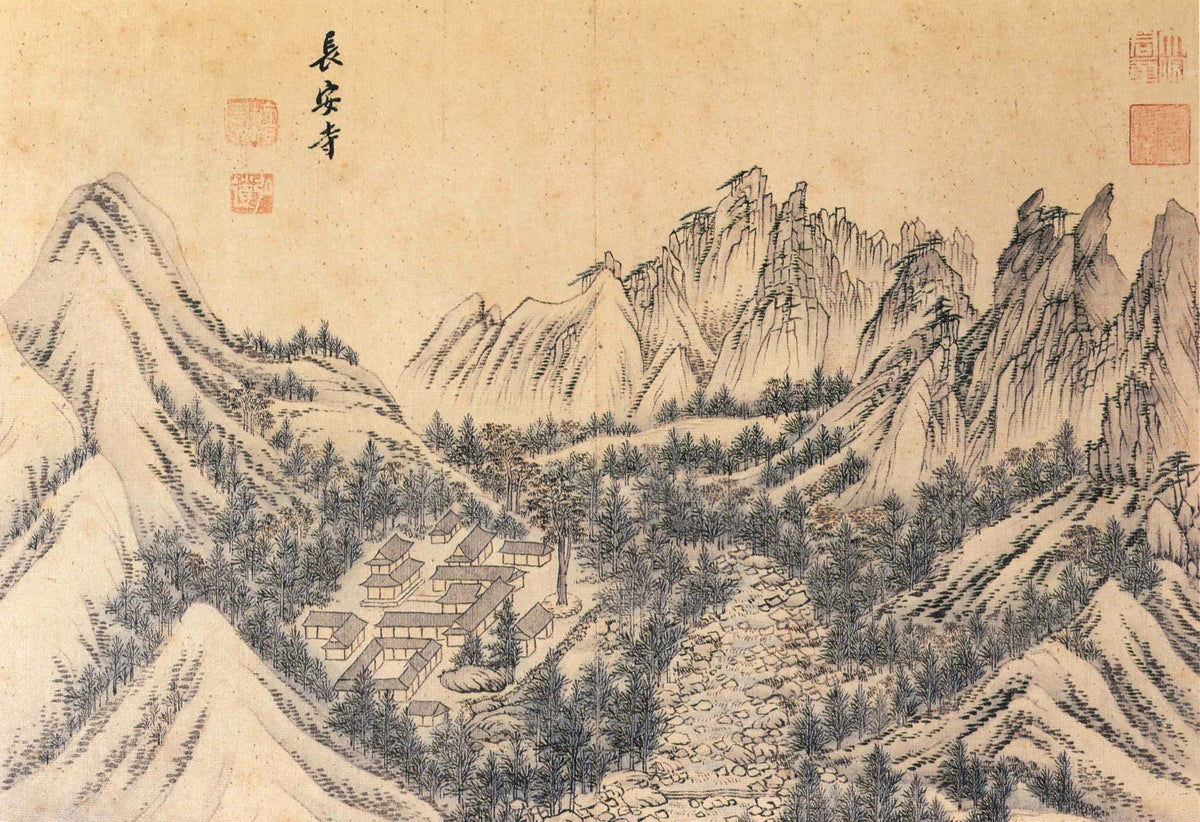
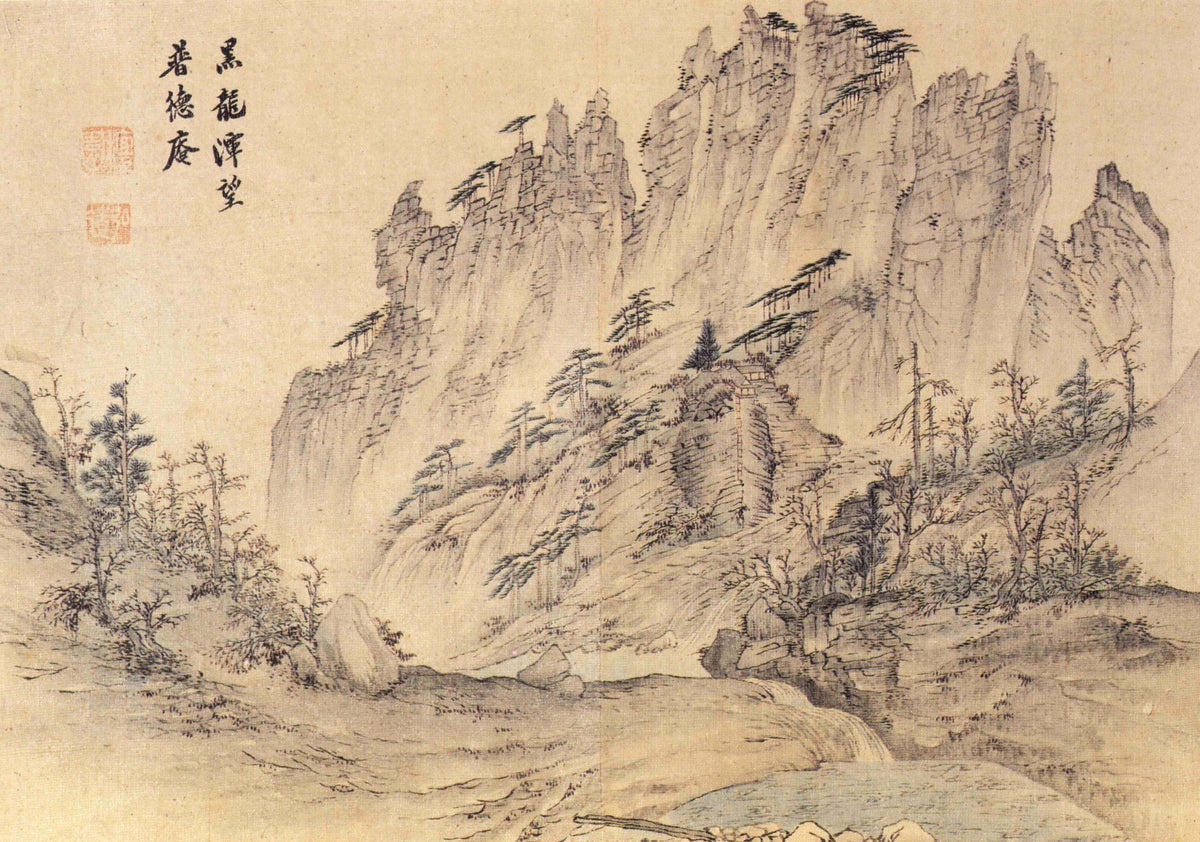
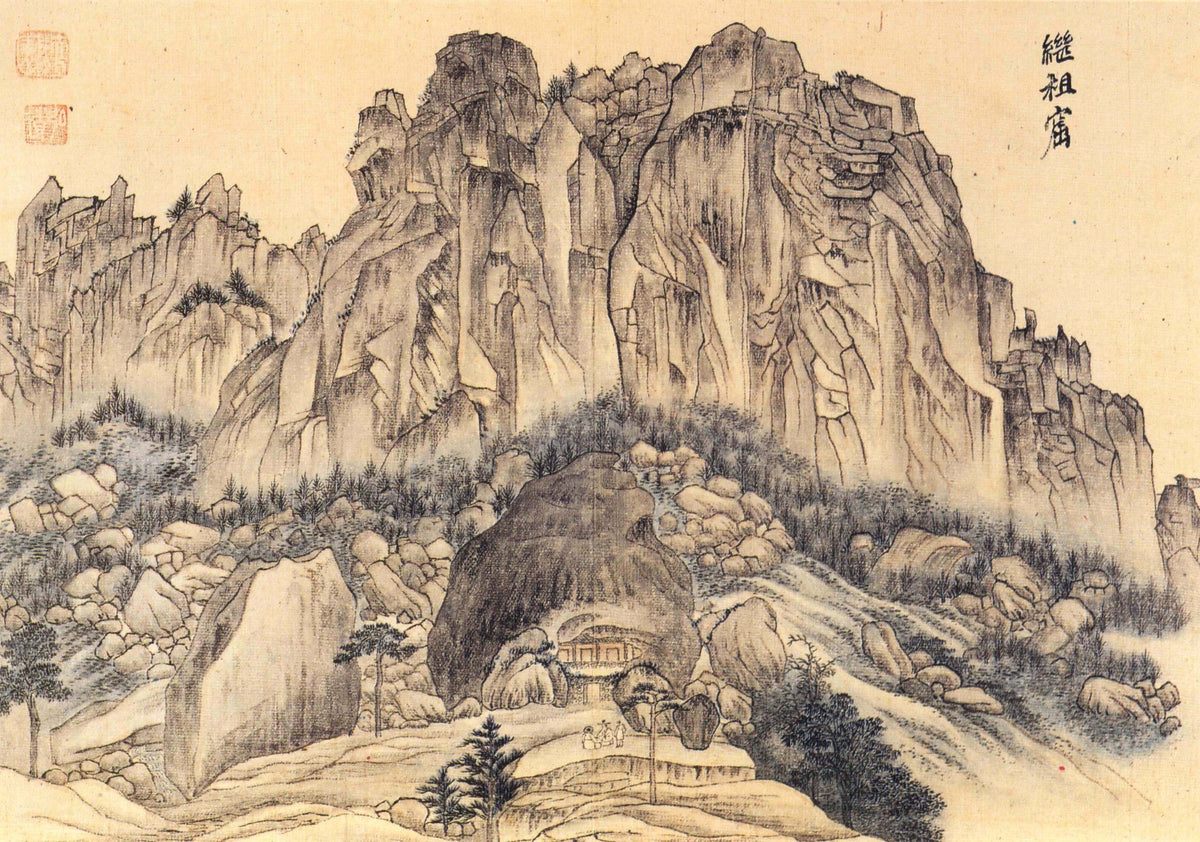
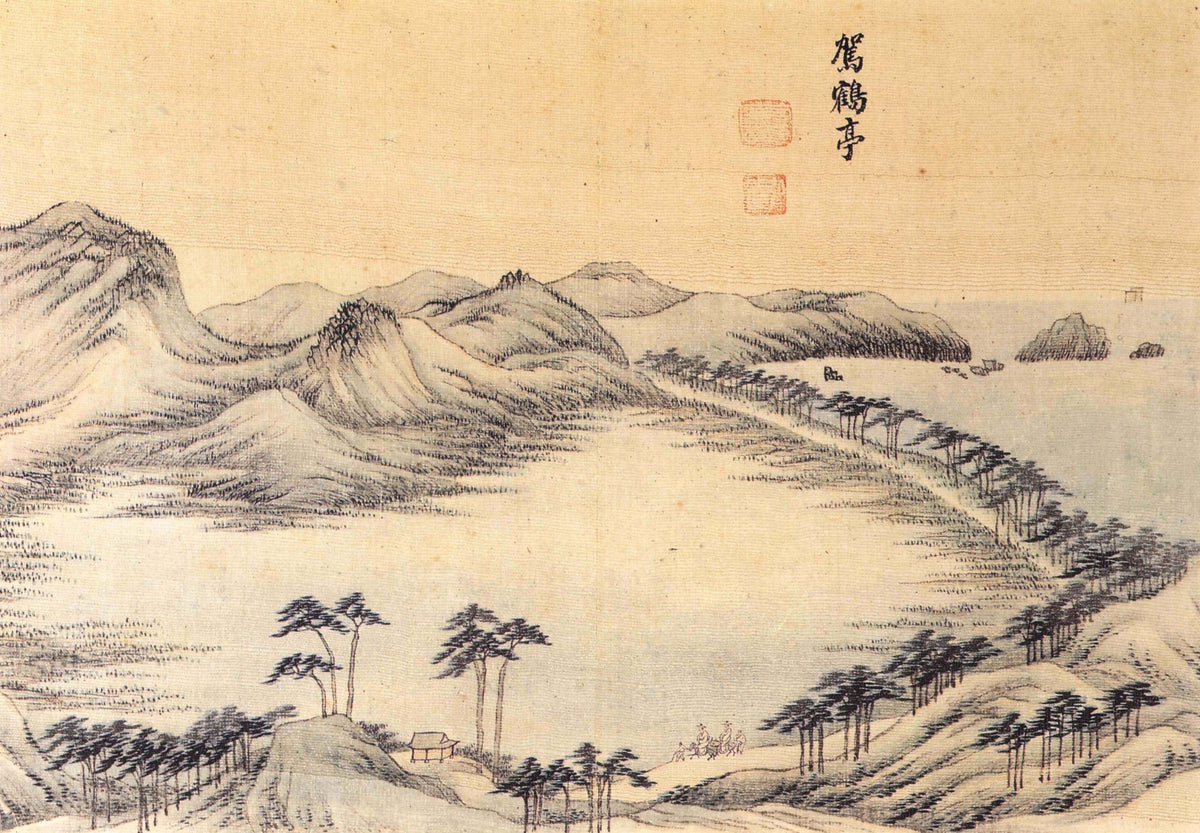
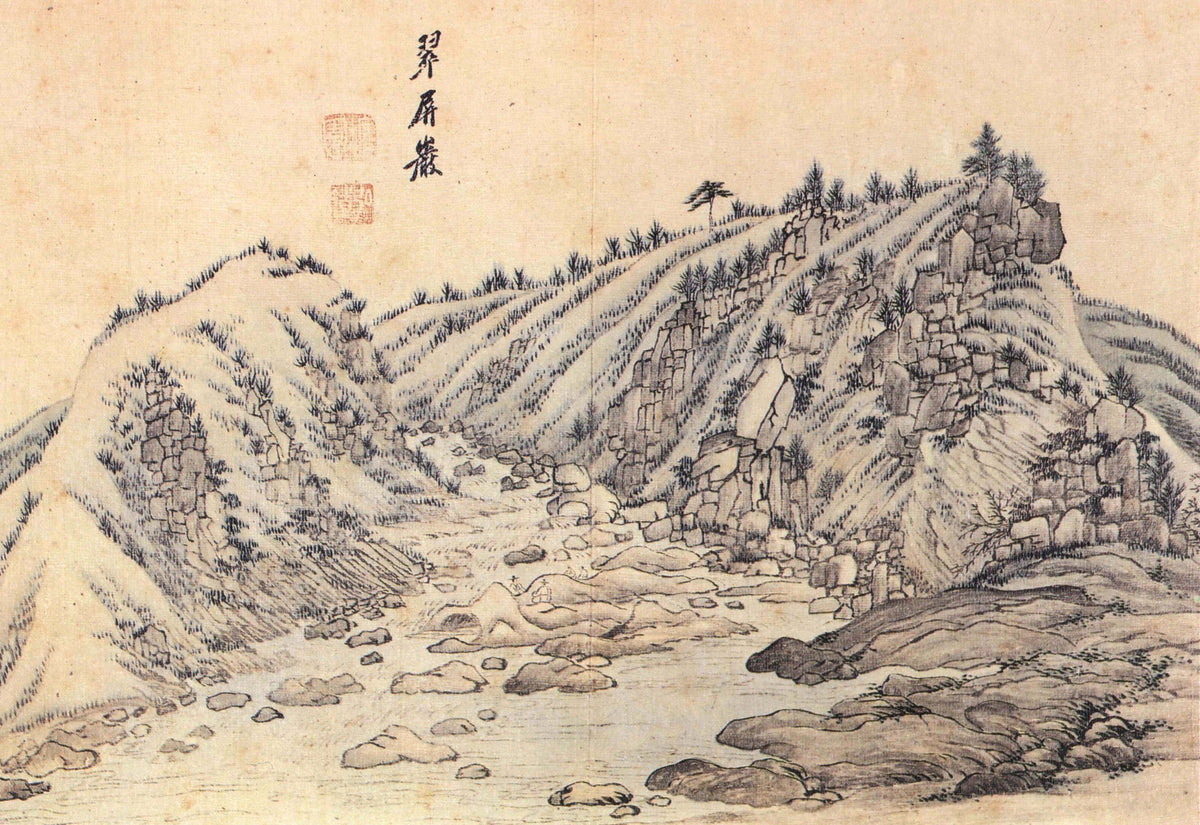
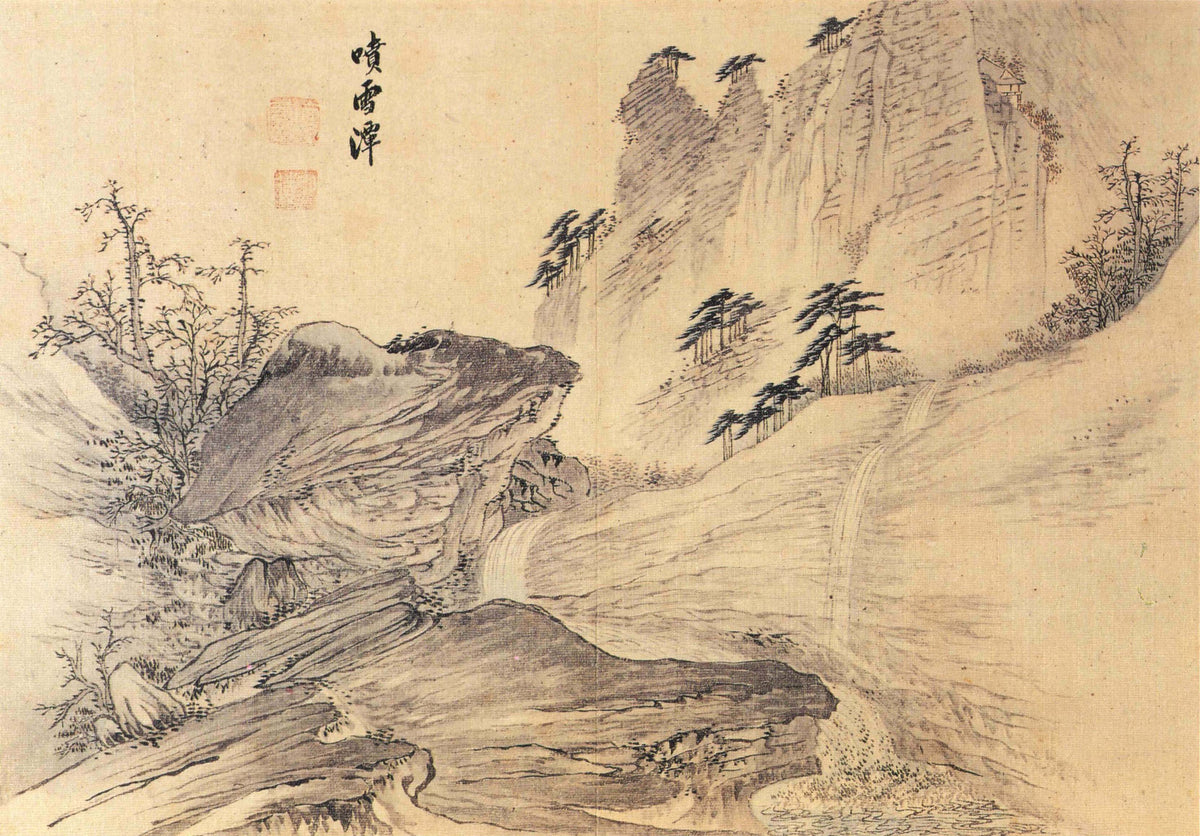
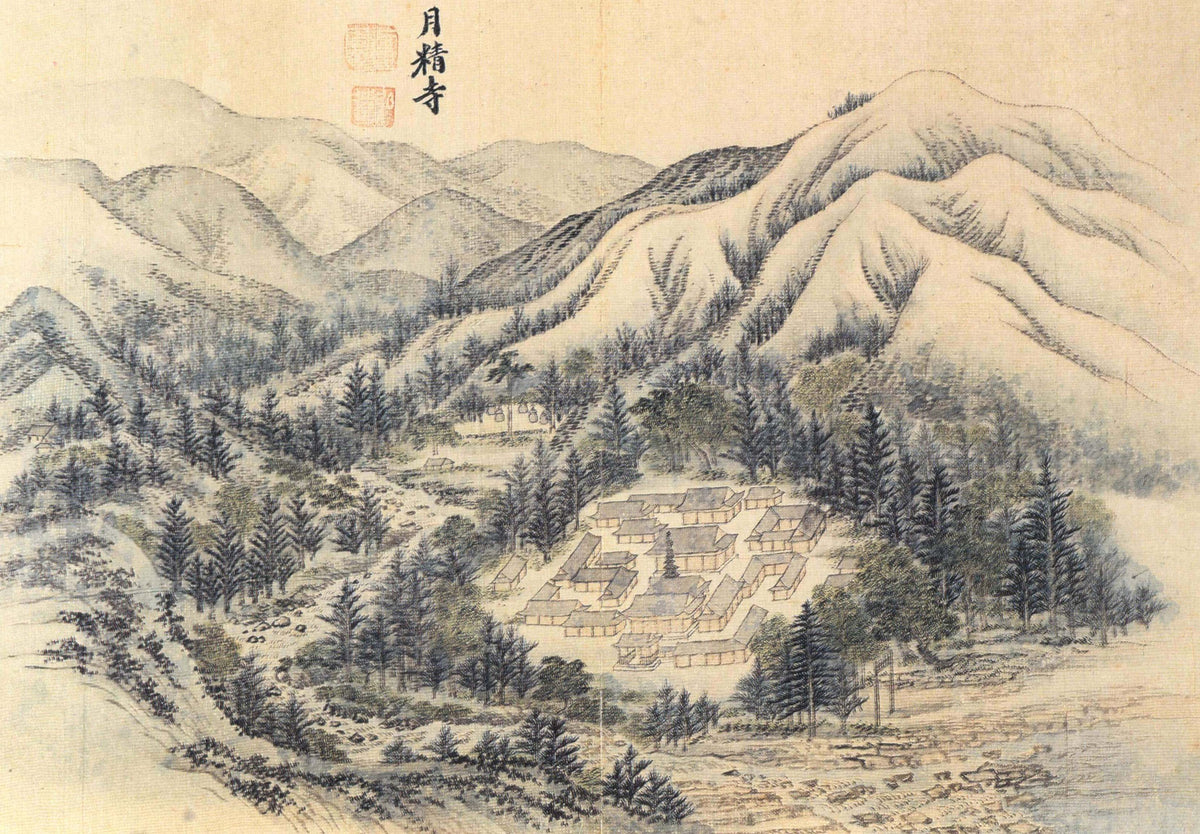
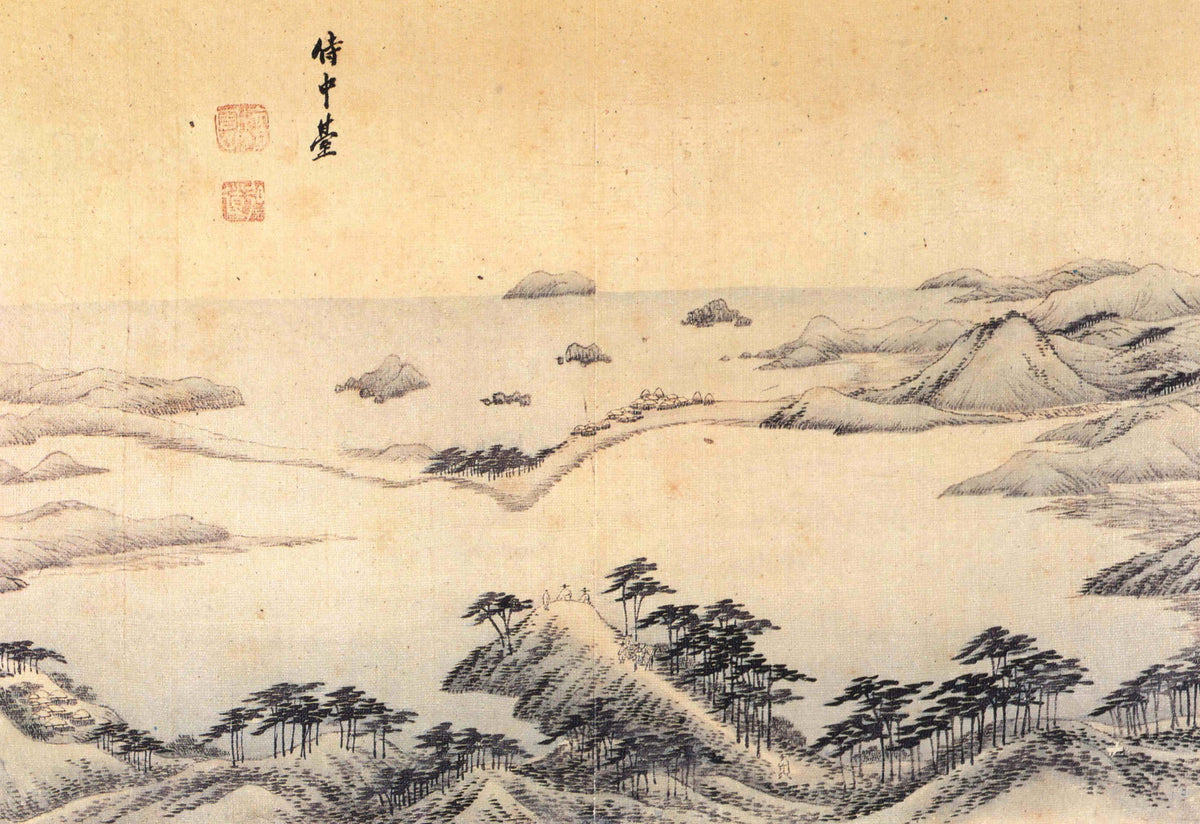
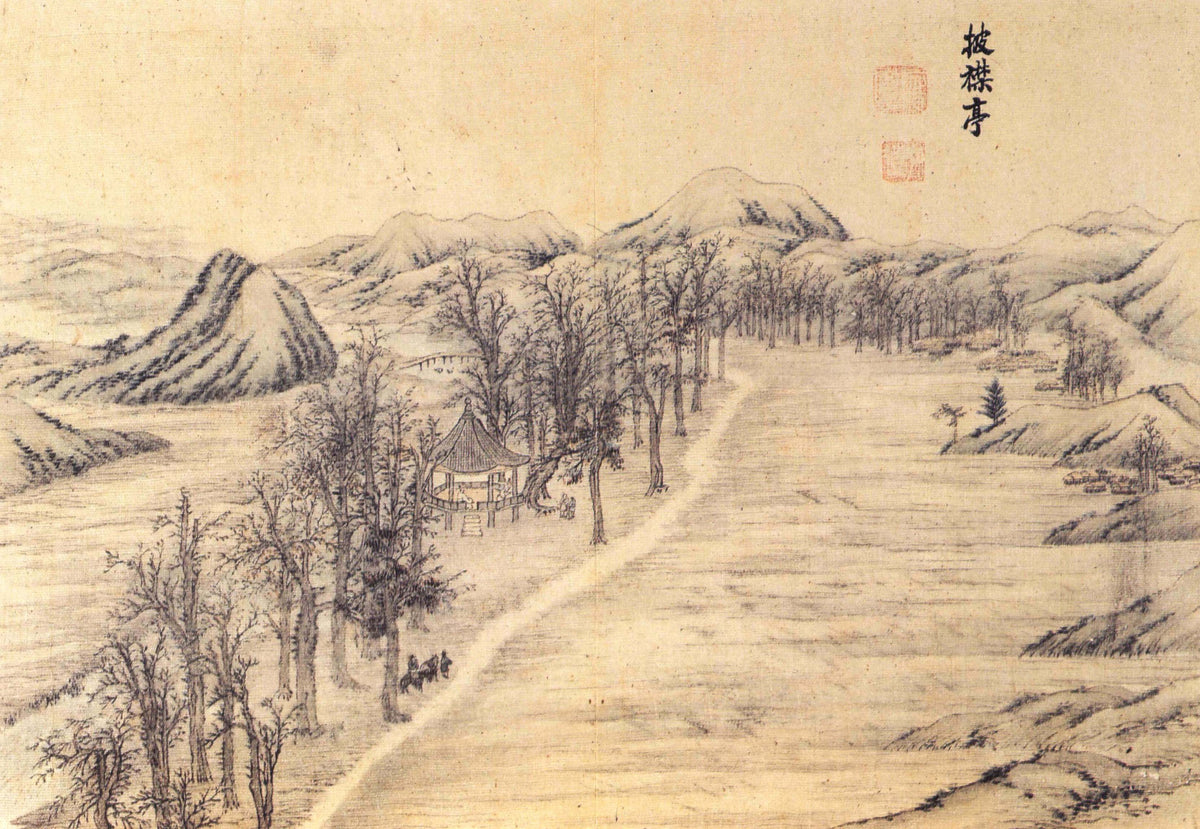
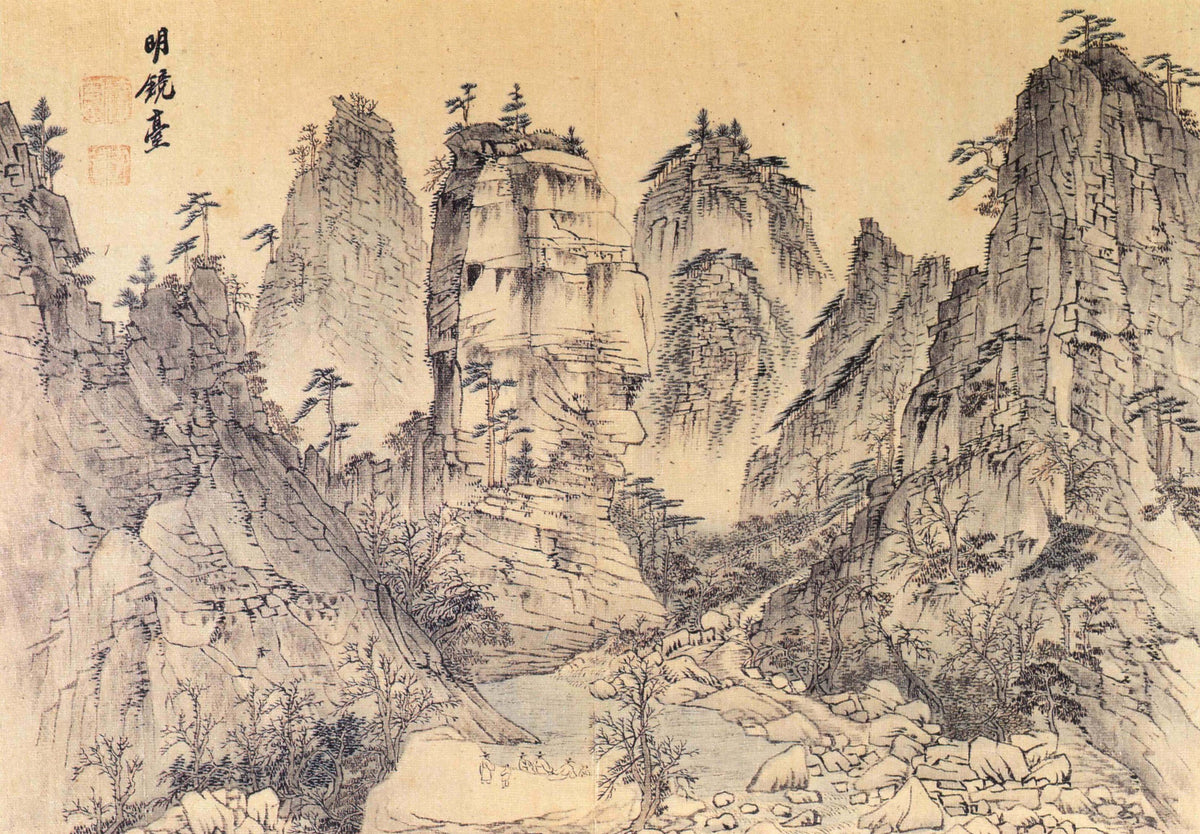
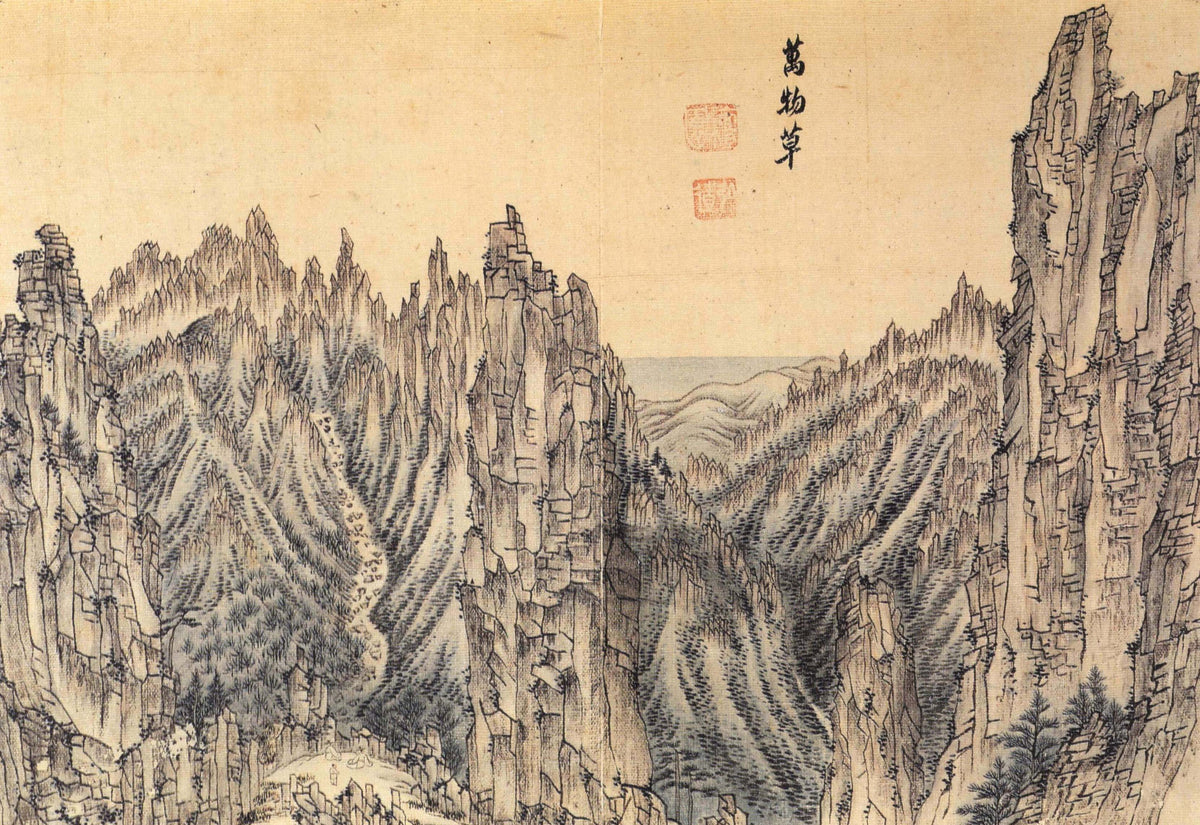
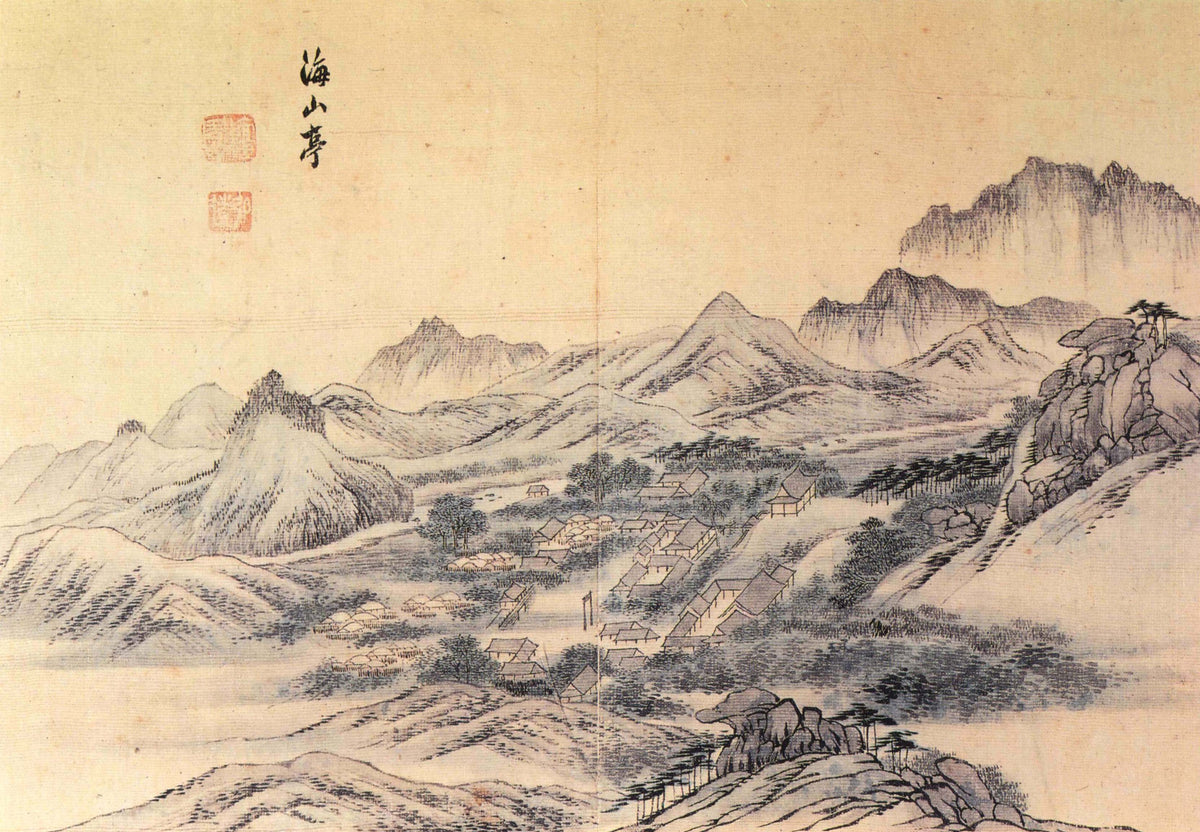
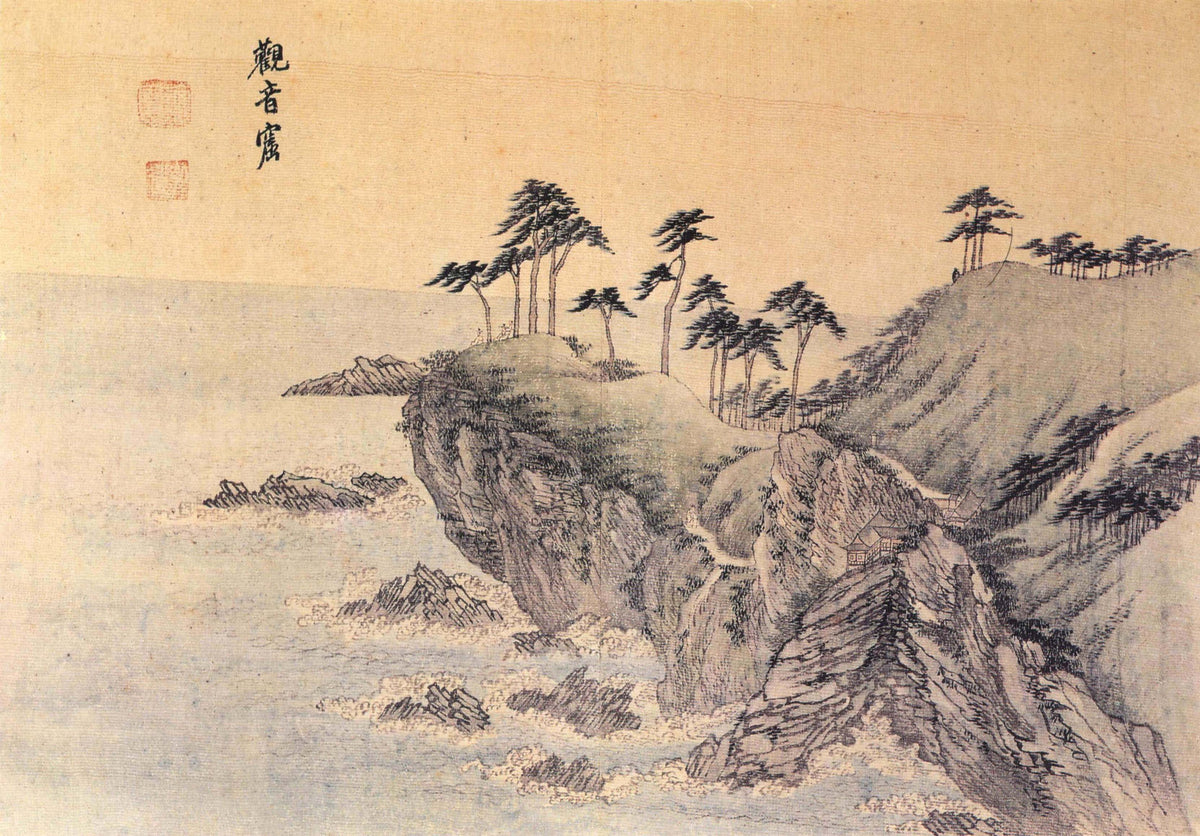
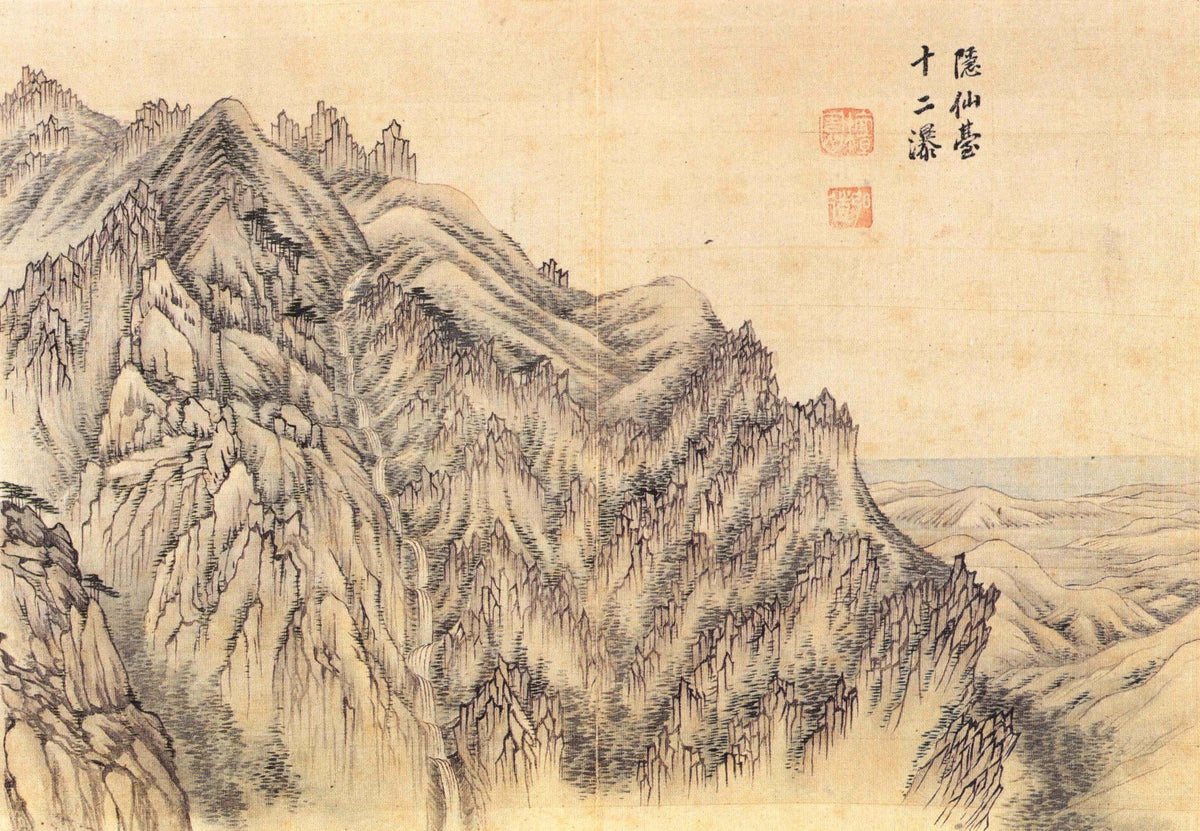
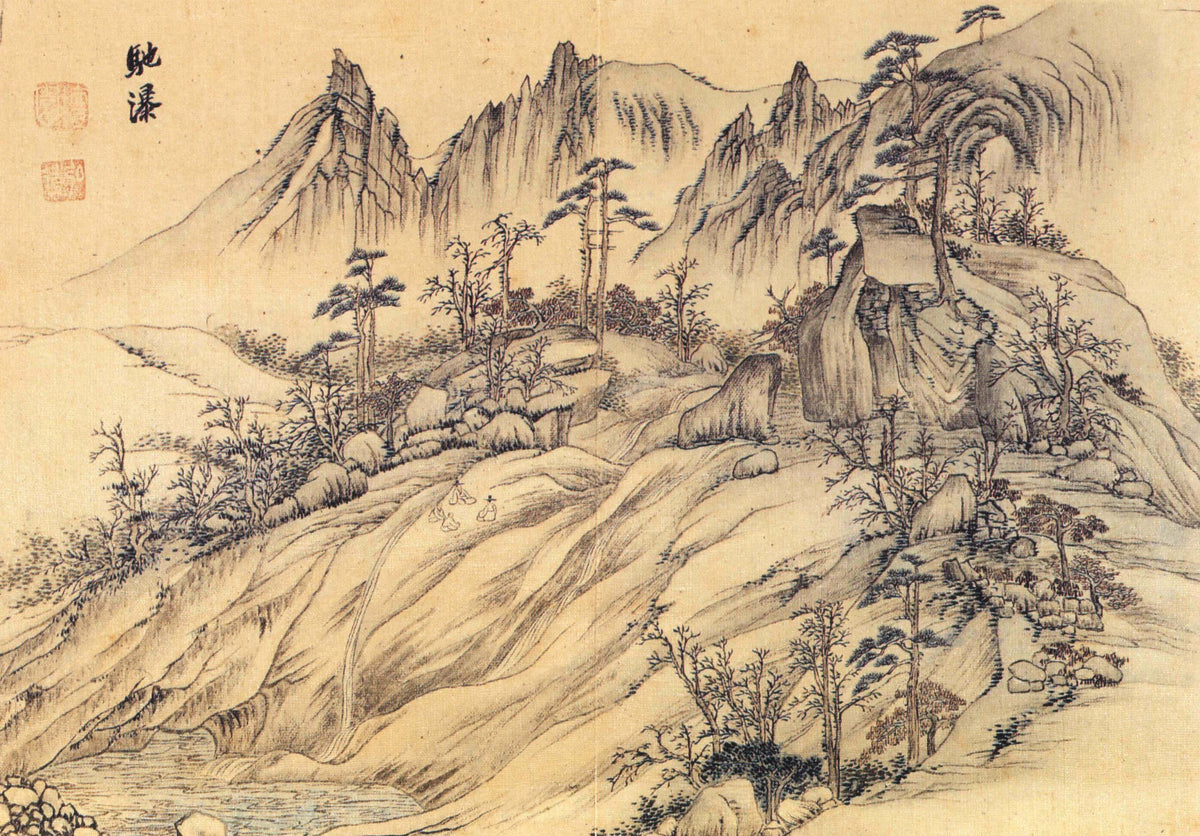
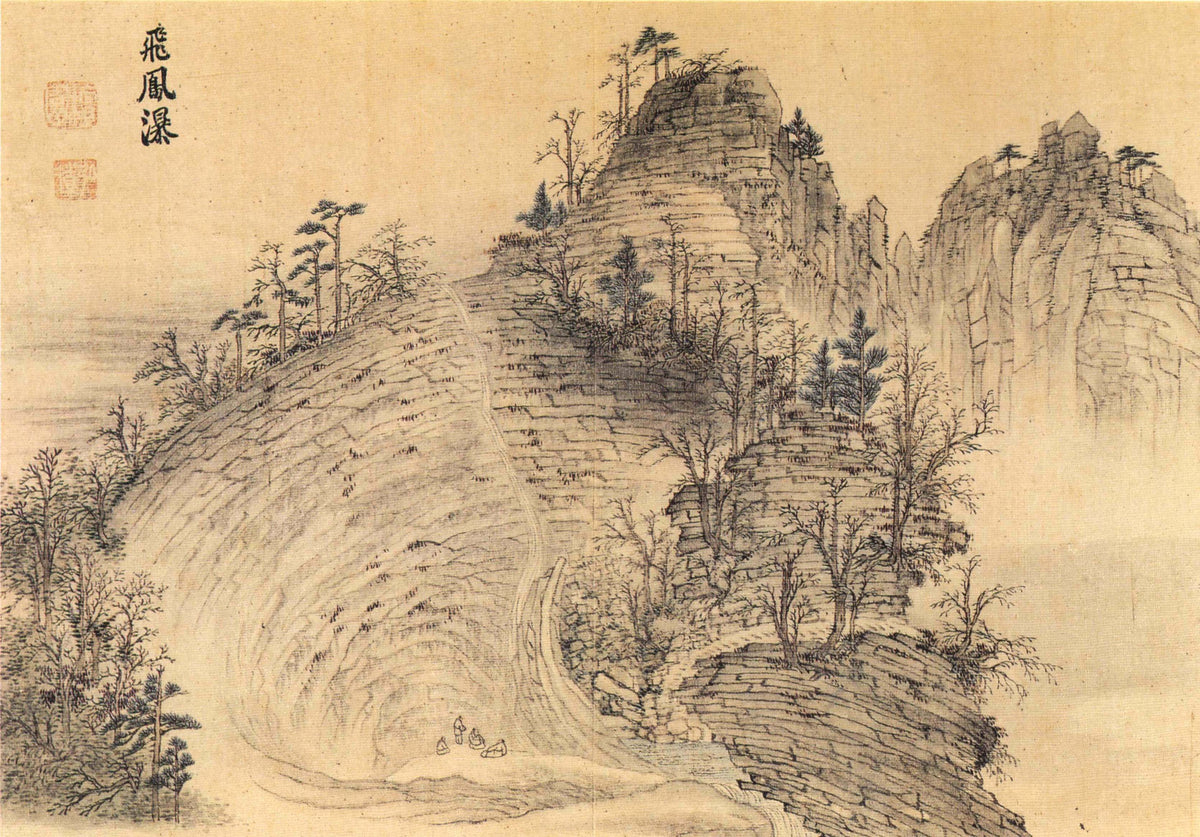
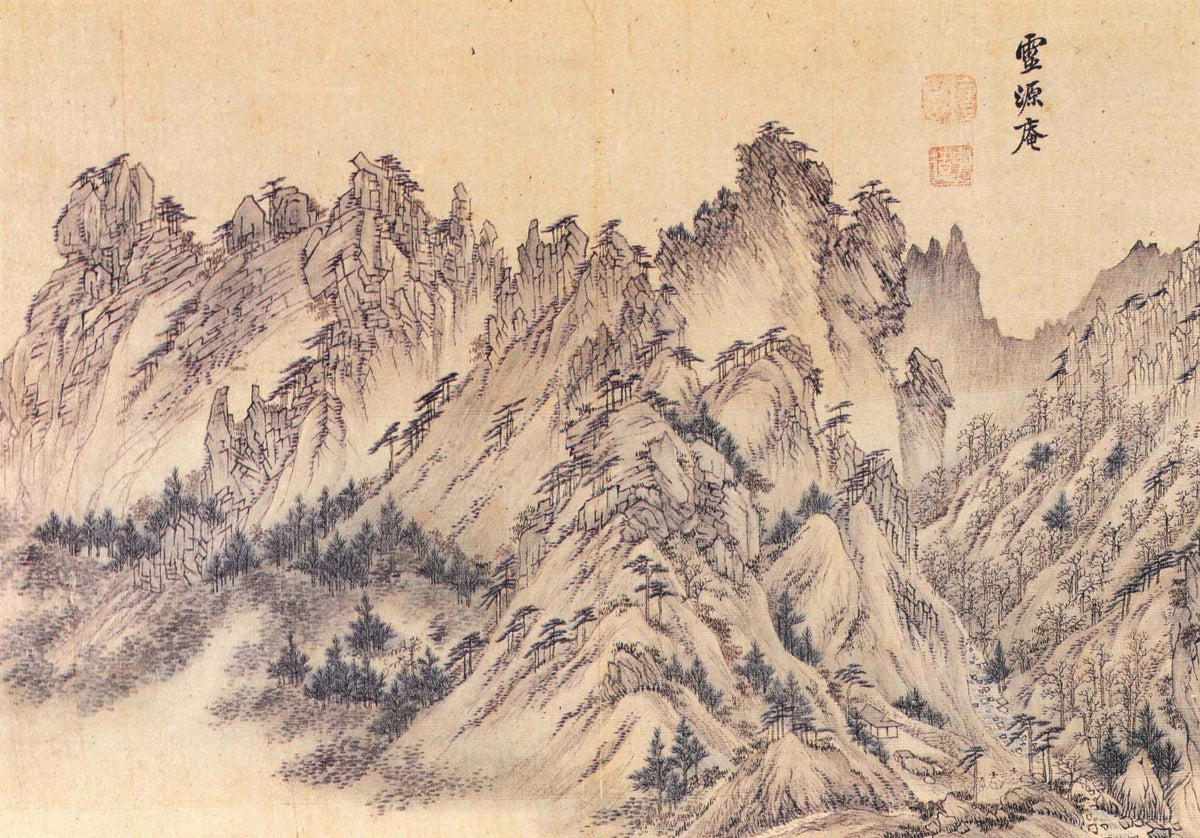
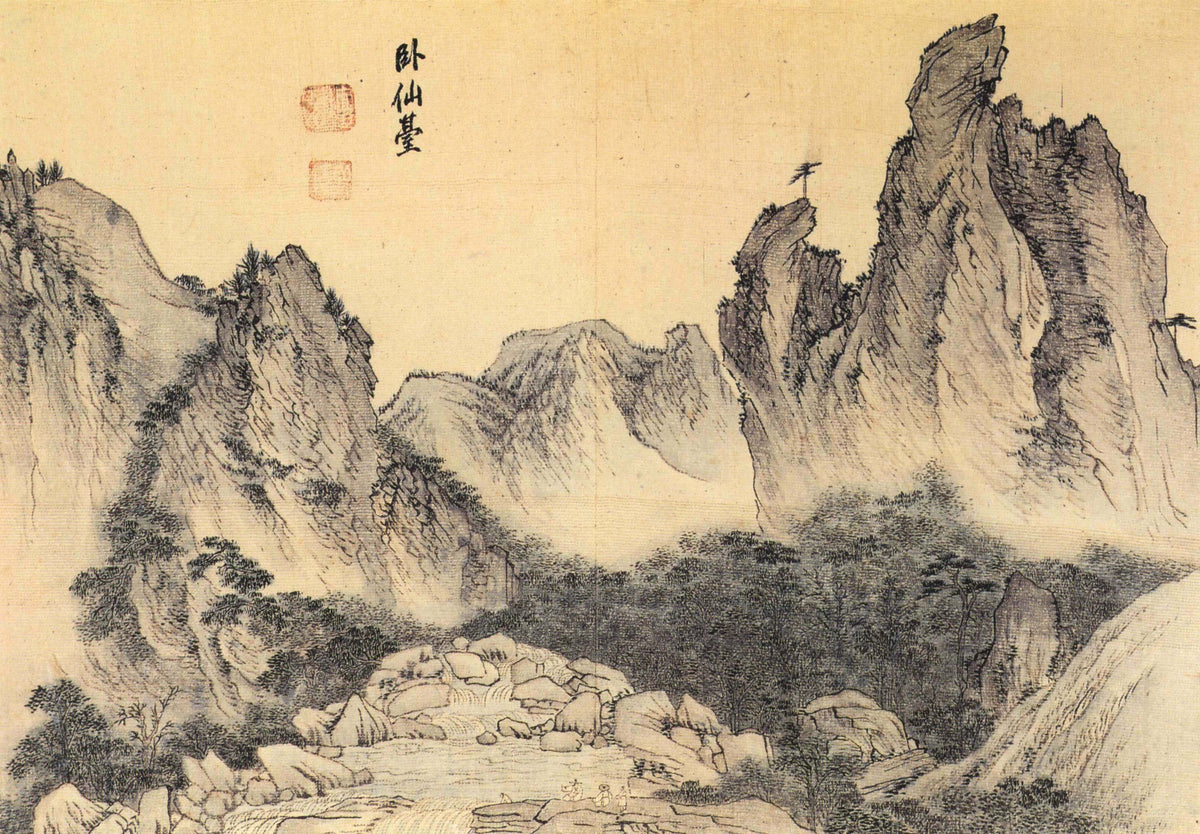
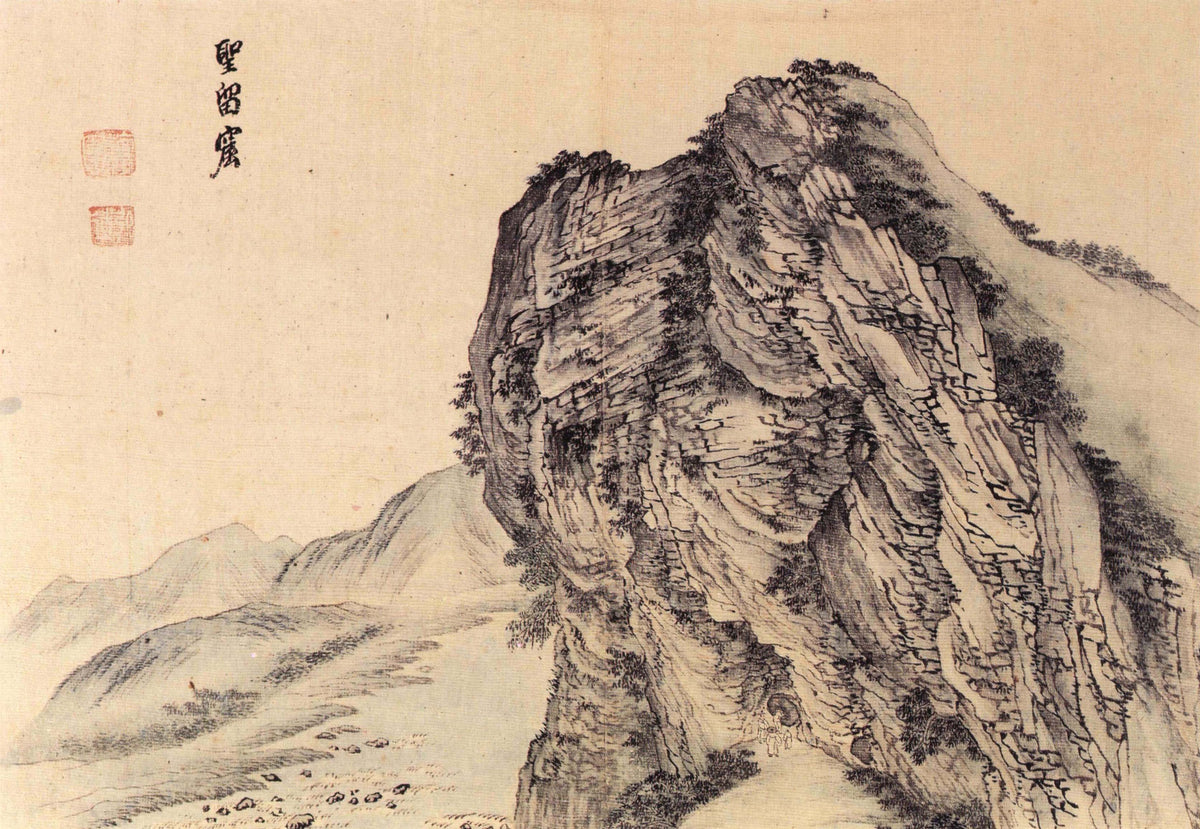
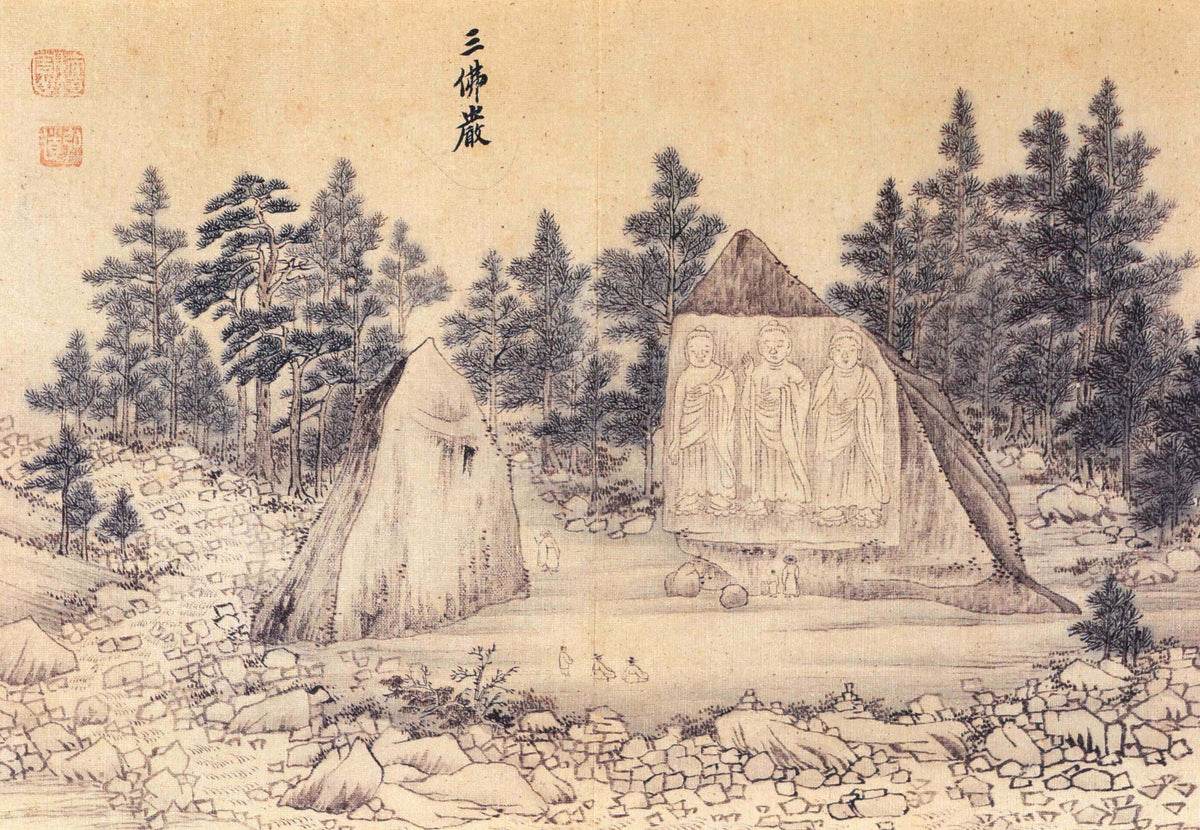
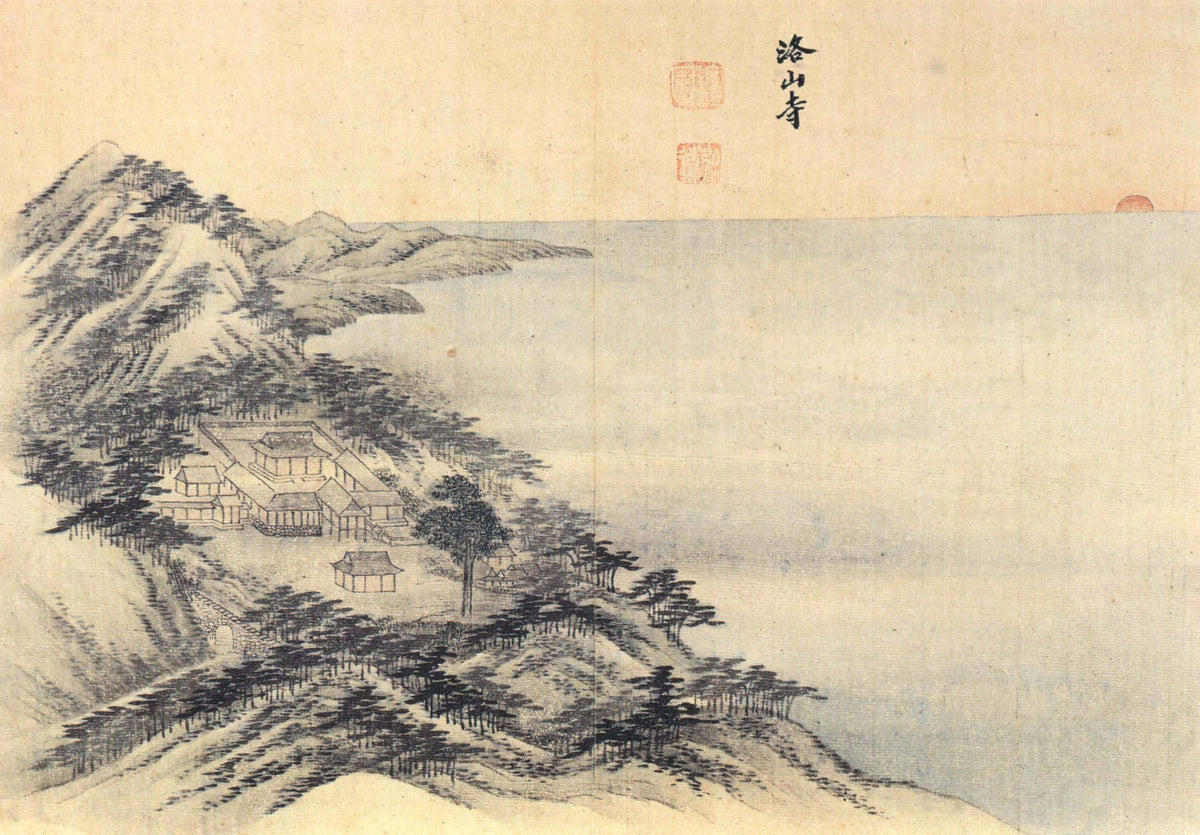
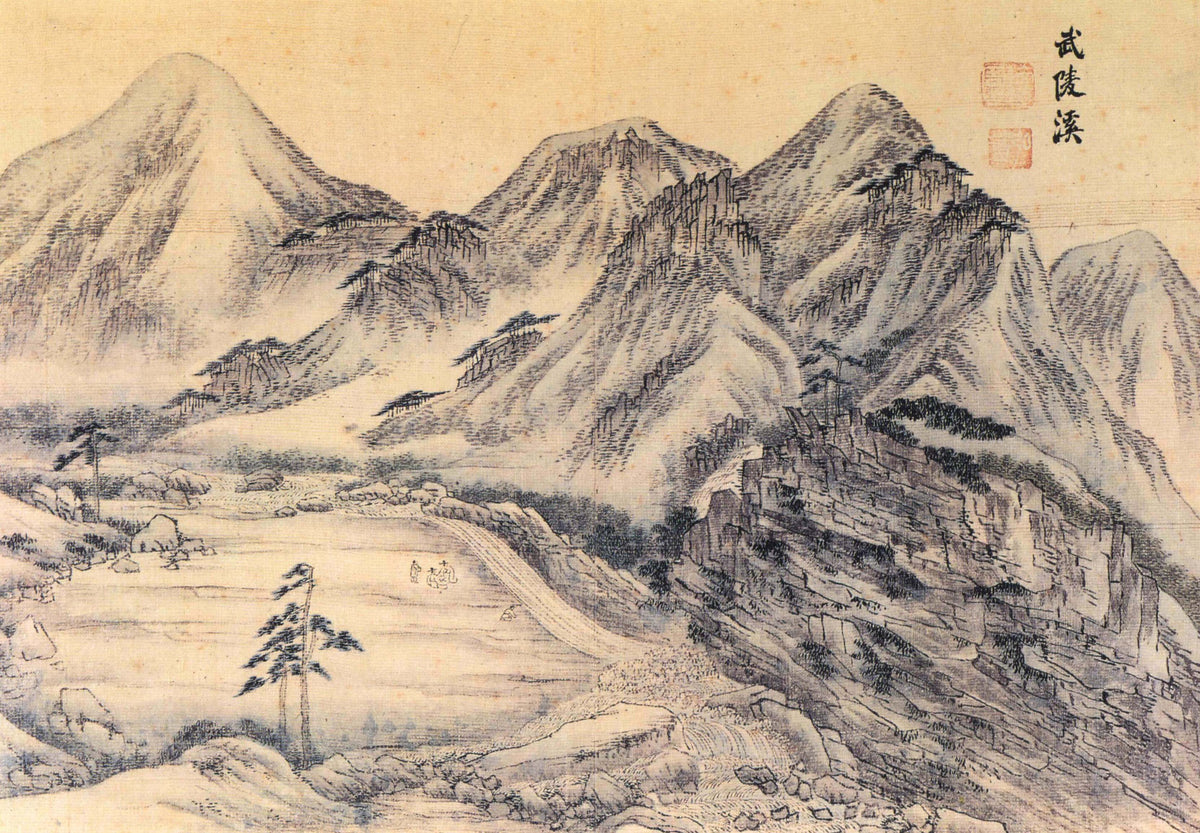
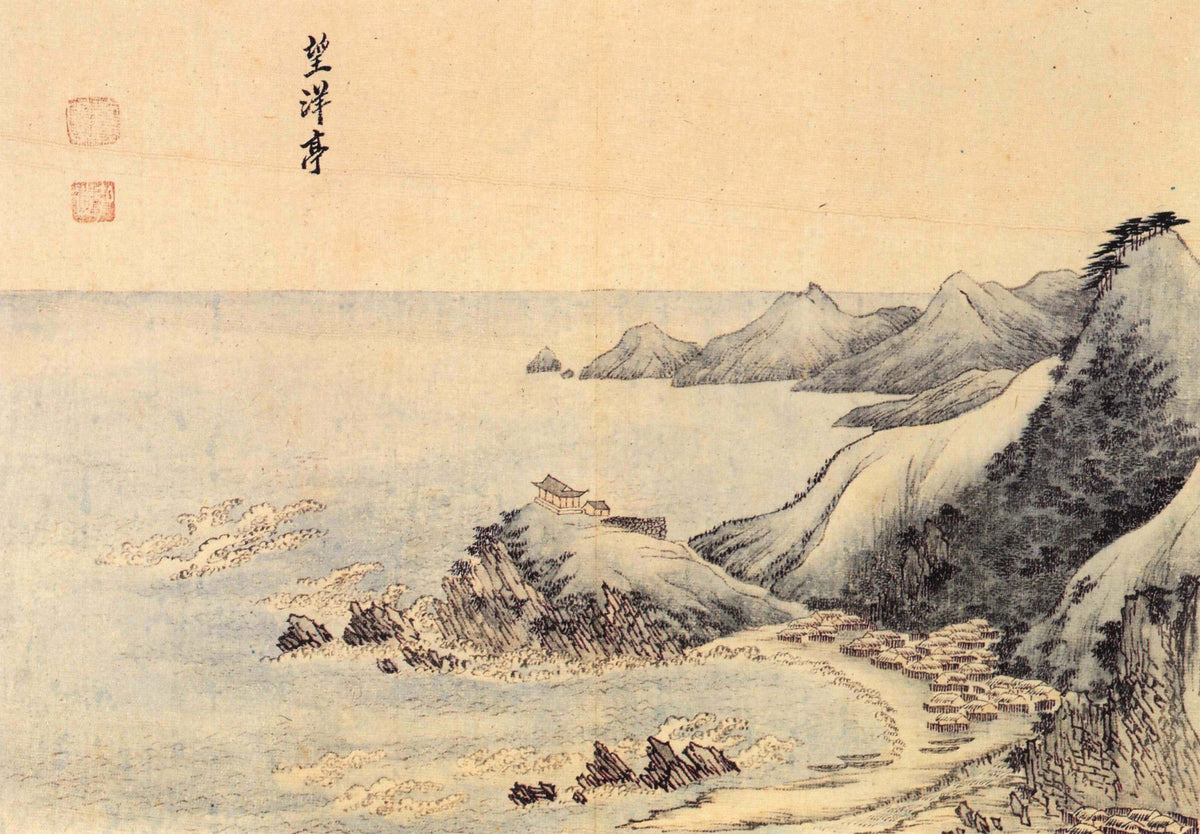
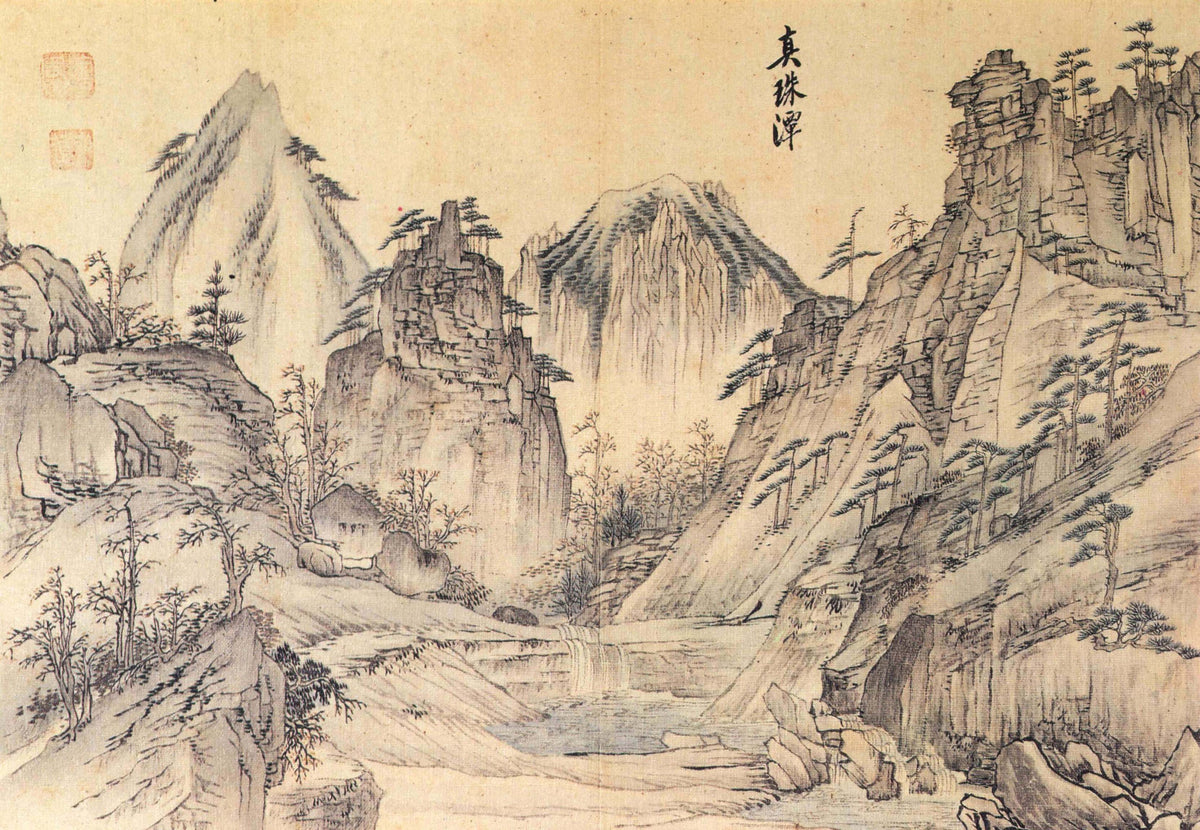
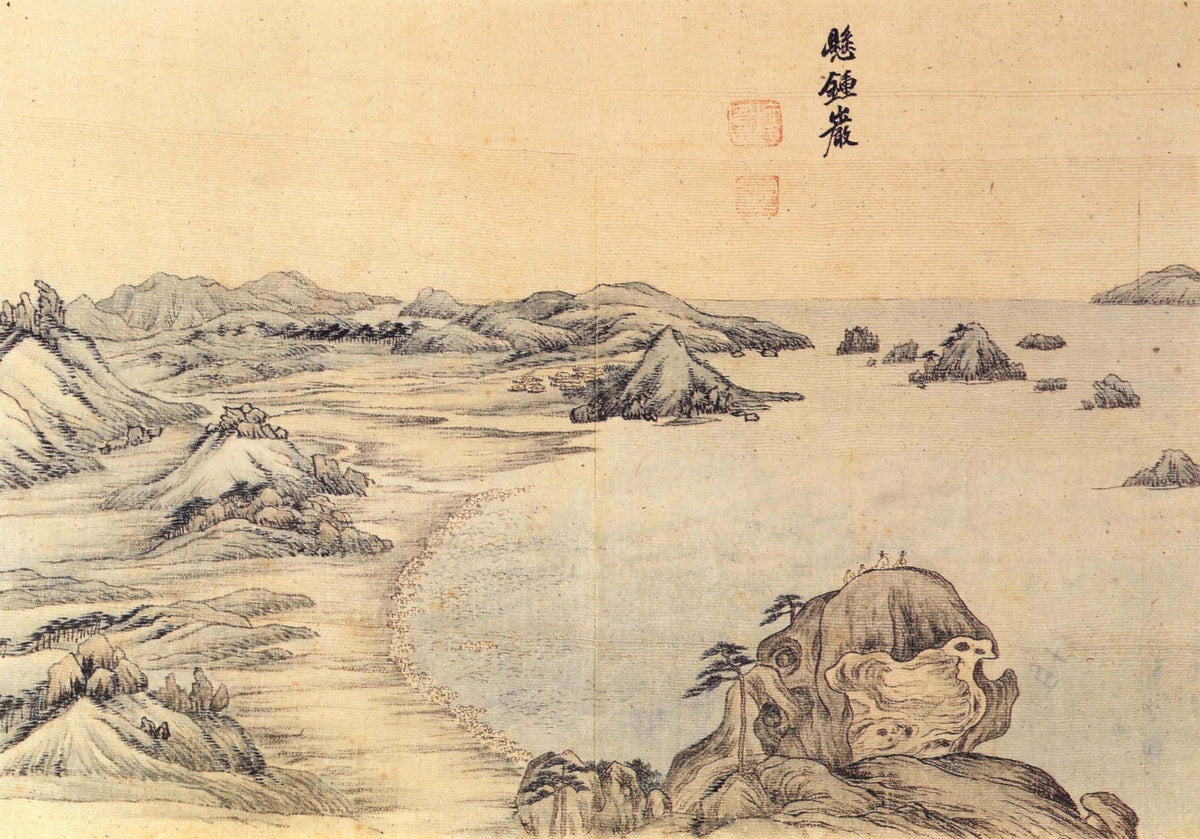
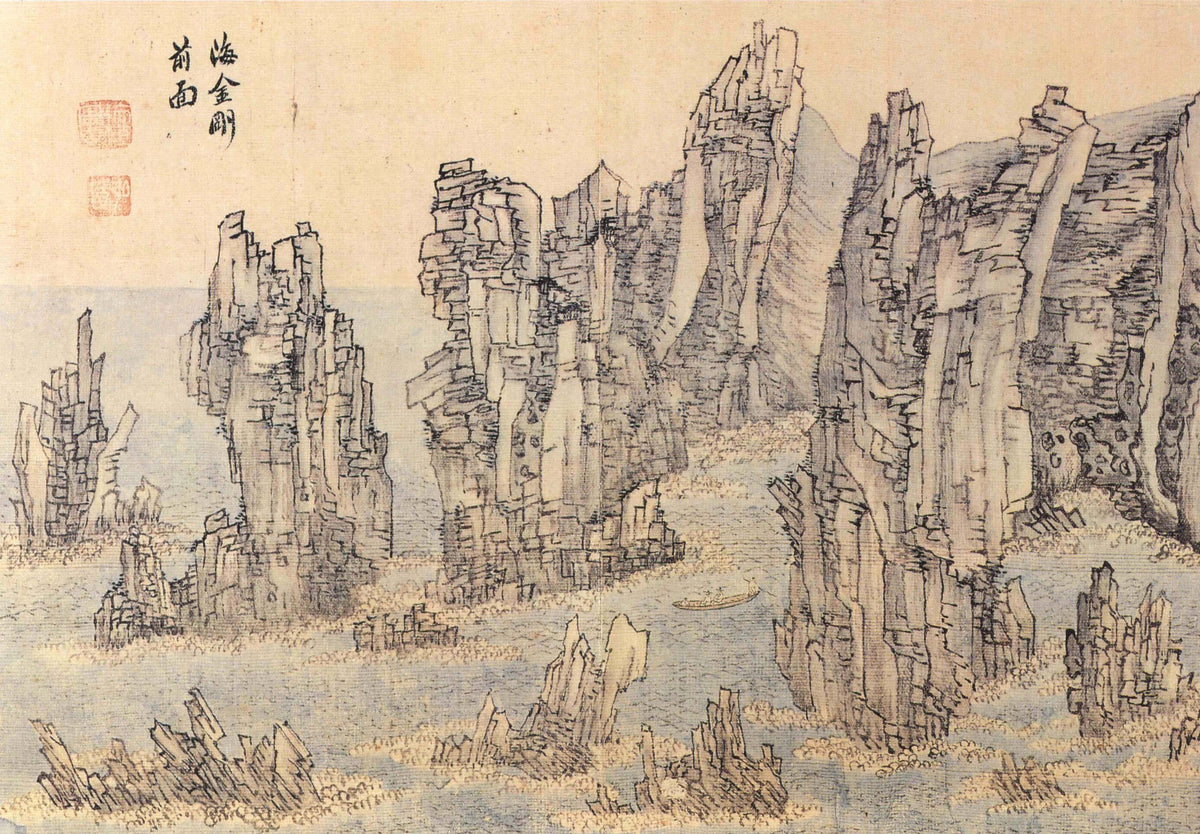
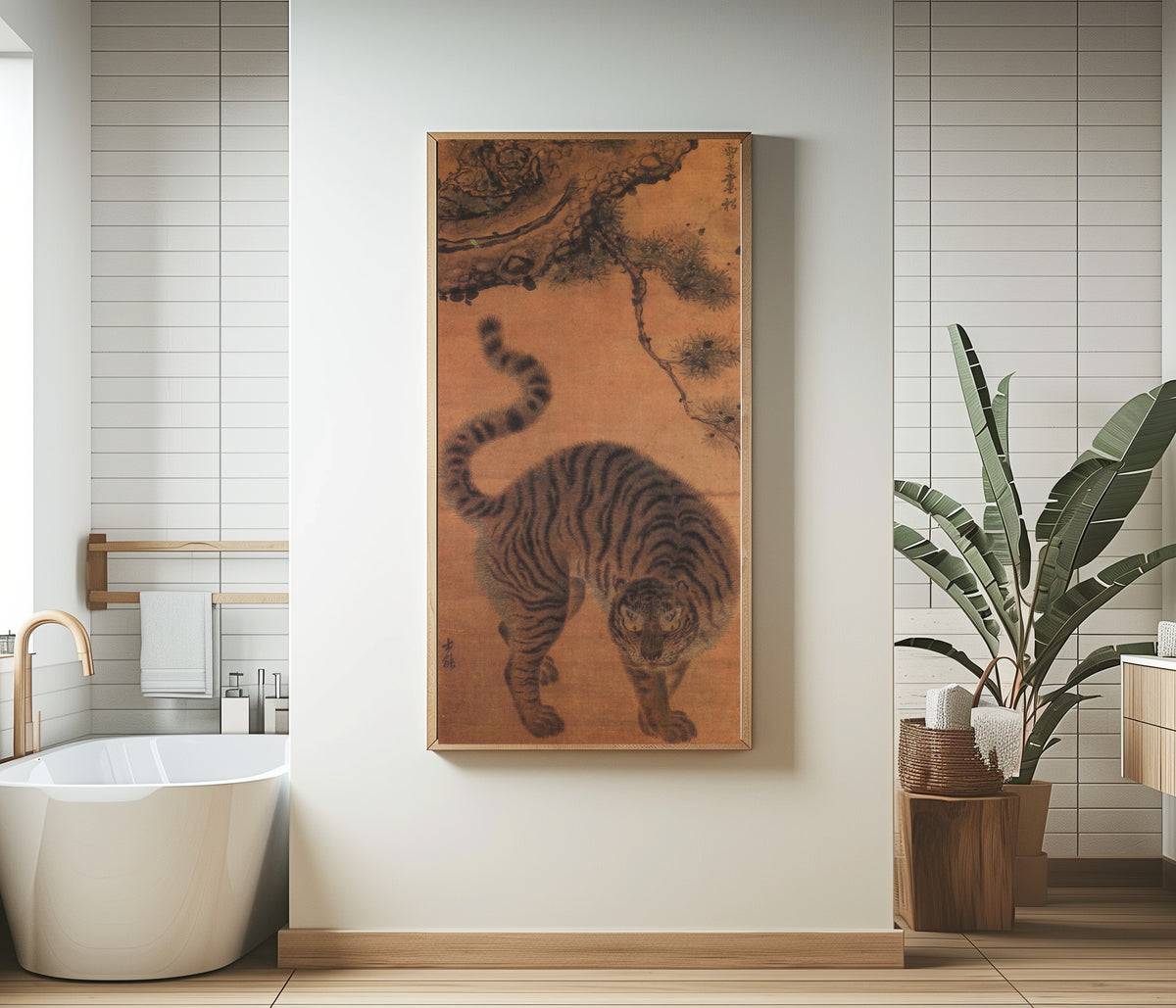
Kim Hong-do prints: reproductions of Korean ink paintings by the Joseon court painter Kim Hong-do, also known as Danwon, from the late 1700s. The collection includes Threshing and Wrestling from the Danwon Genre Painting Album, Tiger under the Pine Tree, Two Crabs and Reeds, and Hwanseonjeong from the Album of Four Districts around Mt. Geumgang (1788).
This selection covers three sides of his work. The genre album leaves show farmers, roofers, wrestlers, schoolboys and a dancing boy, drawn in light ink and colour on a blank ground. The Mt. Geumgang album leaves show cliffs, pavilions and rocky coasts on Korea's east coast. Two tiger paintings and a study of crabs show his animal subjects.
The light ink and pale colour suit studies, offices, bedrooms and calm living rooms, and the album leaves work well hung in a row. All prints are museum-quality reproductions, available unframed or framed with acrylic glazing, with free shipping and import duties covered.