Artist · 7 prints
Lucien Lévy-Dhurmer Prints
About Lucien Lévy-Dhurmer
Lucien Lévy-Dhurmer (1865–1953) was a French artist, born Lucien Lévy in Algiers and died in Le Vésinet near Paris. He studied drawing and sculpture in Paris and began as a ceramic artist, working from the late 1880s for Clément Massier's pottery at Golfe-Juan on the Riviera, where he became artistic director. In 1895 he moved to Paris to concentrate on painting.
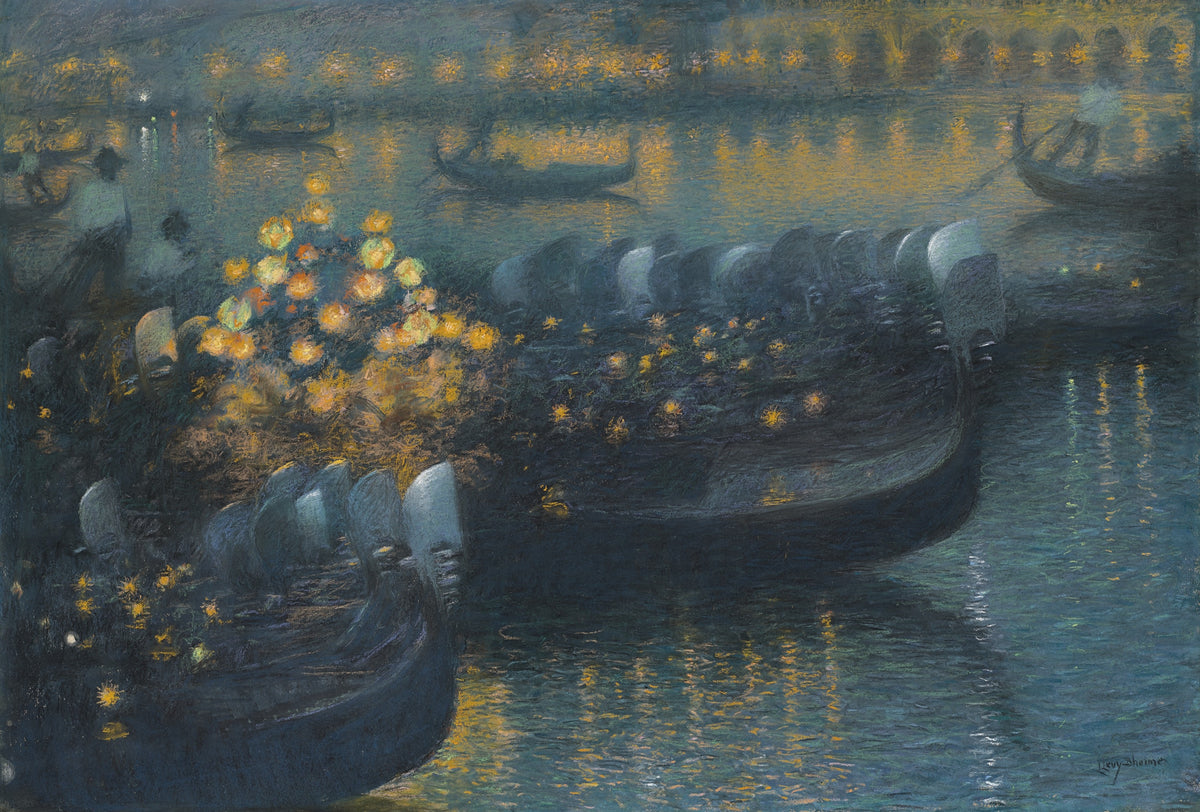
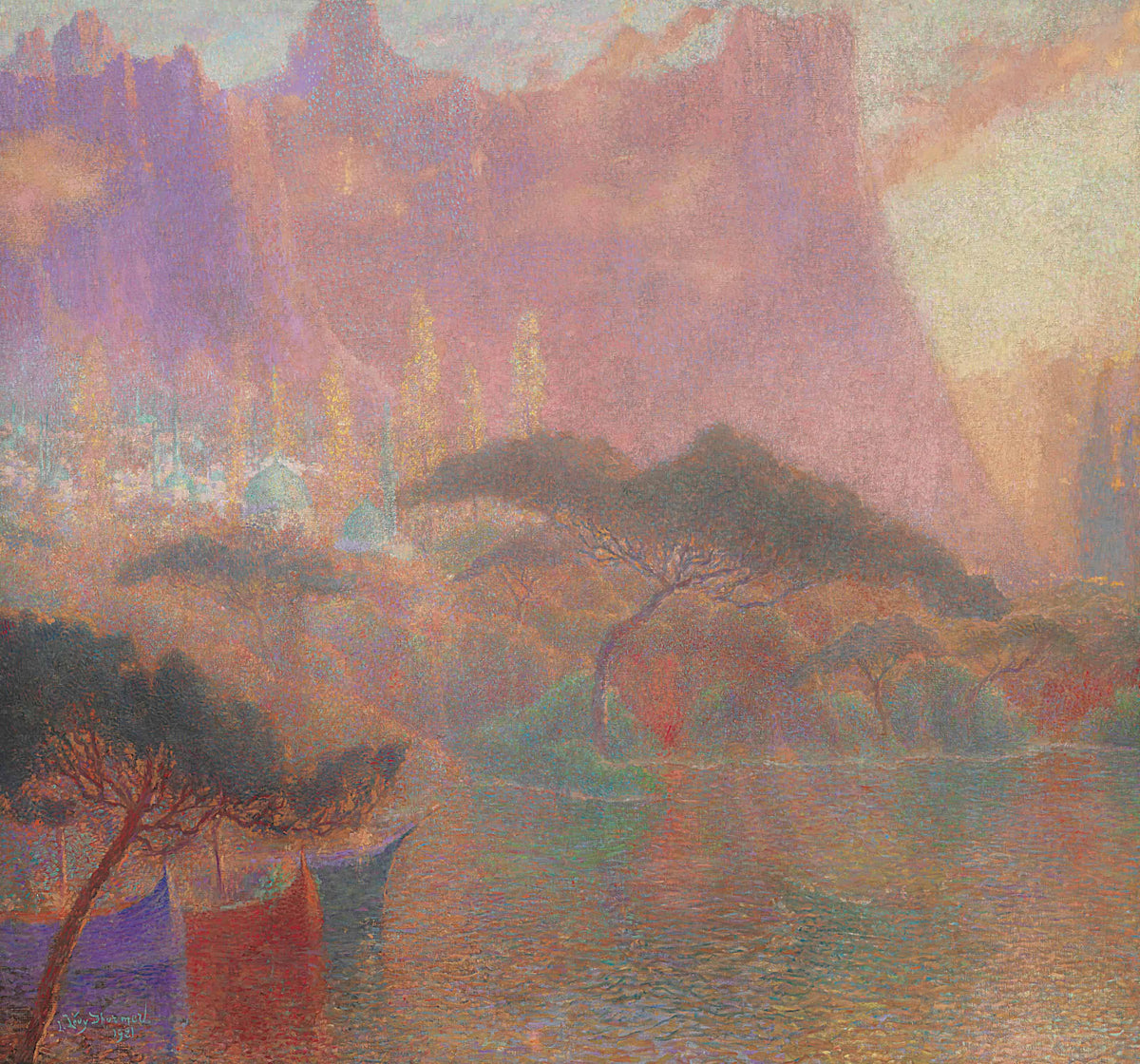
Lucien Lévy-Dhurmer is known for dreamy, softly lit pastels that sit between Symbolism and Art Nouveau. His first exhibition of paintings and pastels, in 1896, was a success. He blended carefully drawn figures with a hazy, melancholy atmosphere and Impressionist-influenced colour. Le Silence (1895) and Mystery, or The Woman with the Medallion (1896), are both in the Musée d'Orsay in Paris. After about 1901 he turned more to landscapes, and he also designed furniture and whole interiors, including a wisteria dining room now at the Metropolitan Museum of Art in New York.
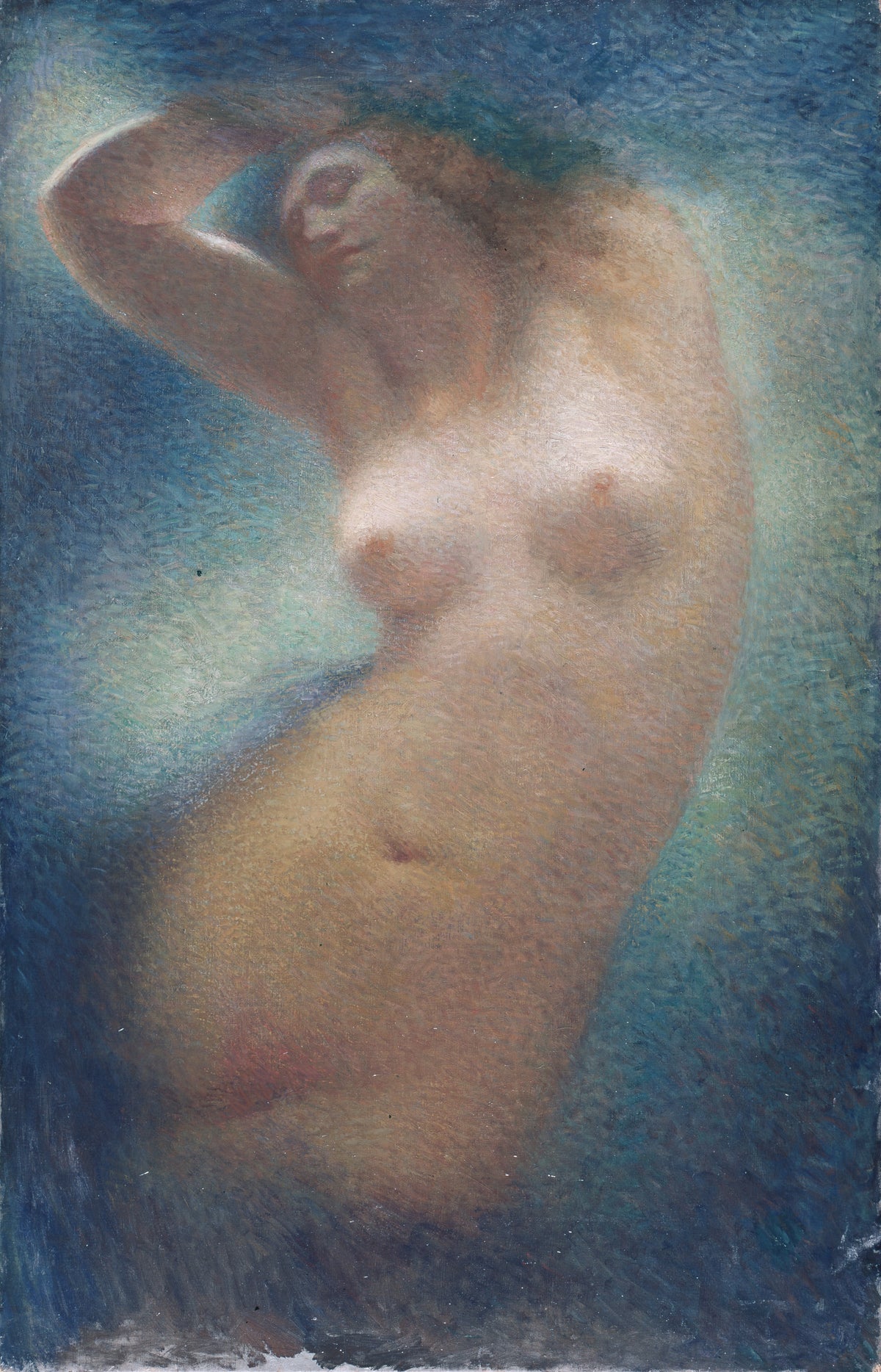
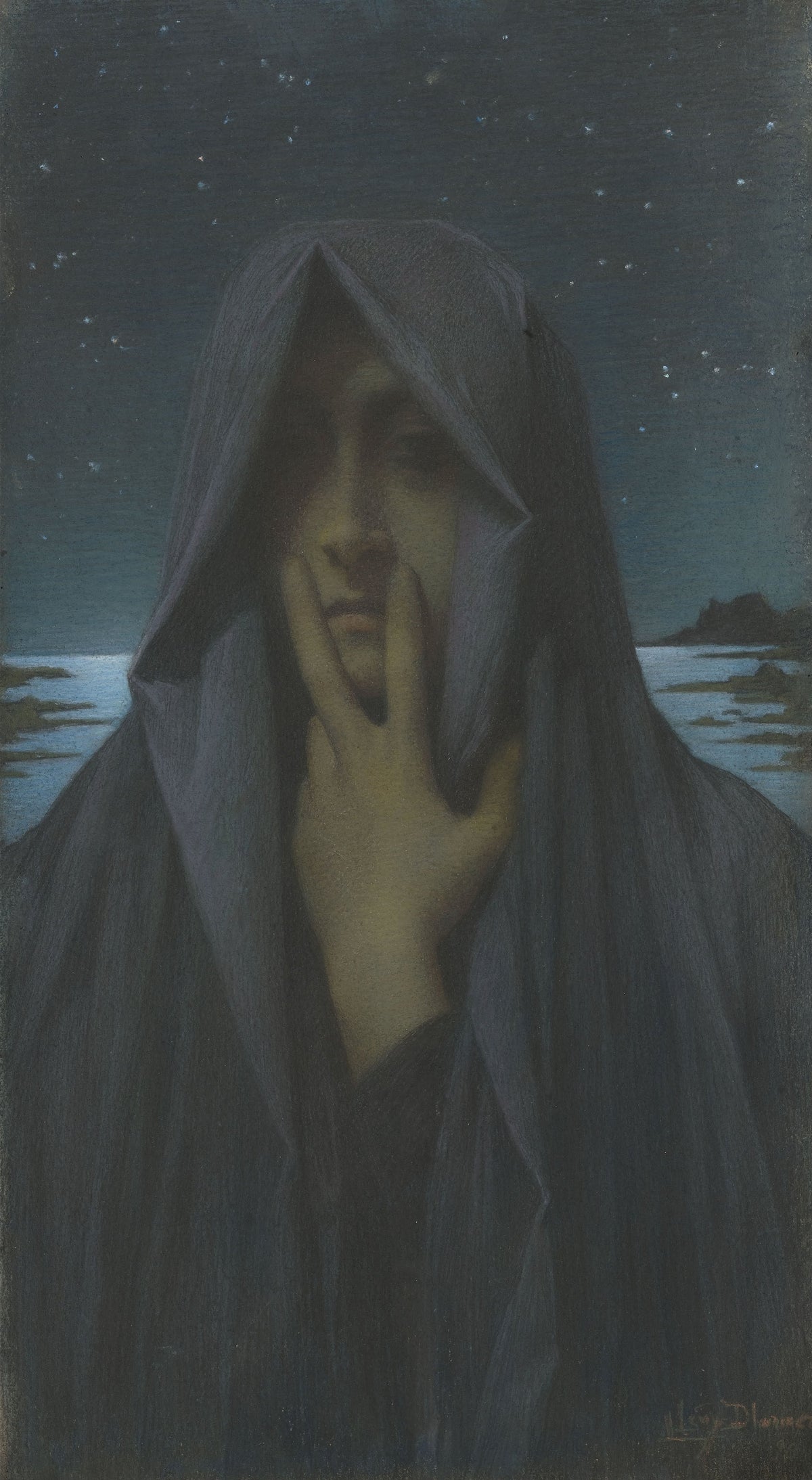
Lucien Lévy-Dhurmer prints: reproductions of pastels and paintings by the French Symbolist artist Lucien Lévy-Dhurmer, made between 1895 and 1920. The collection includes Silence (Le Silence) (1895), Eve (1896), La bourrasque (1897), Beethoven Mask (1906) and Sonate au clair de lune (1920).
This selection centres on single figures and faces in soft, hazy light: a hooded woman with a finger to her lips, a half-length Eve, a woman caught in a gust of wind. Two works respond to Beethoven, a recurring subject for him. The colours are muted blues, greens and violets, with smooth pastel surfaces.
The quiet, cool palettes suit bedrooms, music rooms, studies and reading corners, and the portrait formats work well in narrow spaces beside a door or window. All prints are museum-quality reproductions, available unframed or framed with acrylic glazing, with free shipping and import duties covered.