Artist · 106 prints
Wassily Kandinsky Prints
About Wassily Kandinsky
Wassily Kandinsky was a Russian-born painter and theorist, born on 16 December 1866 in Moscow. He studied law and economics at Moscow University, then at about thirty turned to art. In 1896 he moved to Munich to study painting. In 1911 he helped found the Blue Rider, a group of Munich artists that included Franz Marc and August Macke. He returned to Russia during the First World War, taught at the Bauhaus design school in Germany from 1922 until it closed in 1933, and then settled in France. He died in Neuilly-sur-Seine, near Paris, on 13 December 1944.
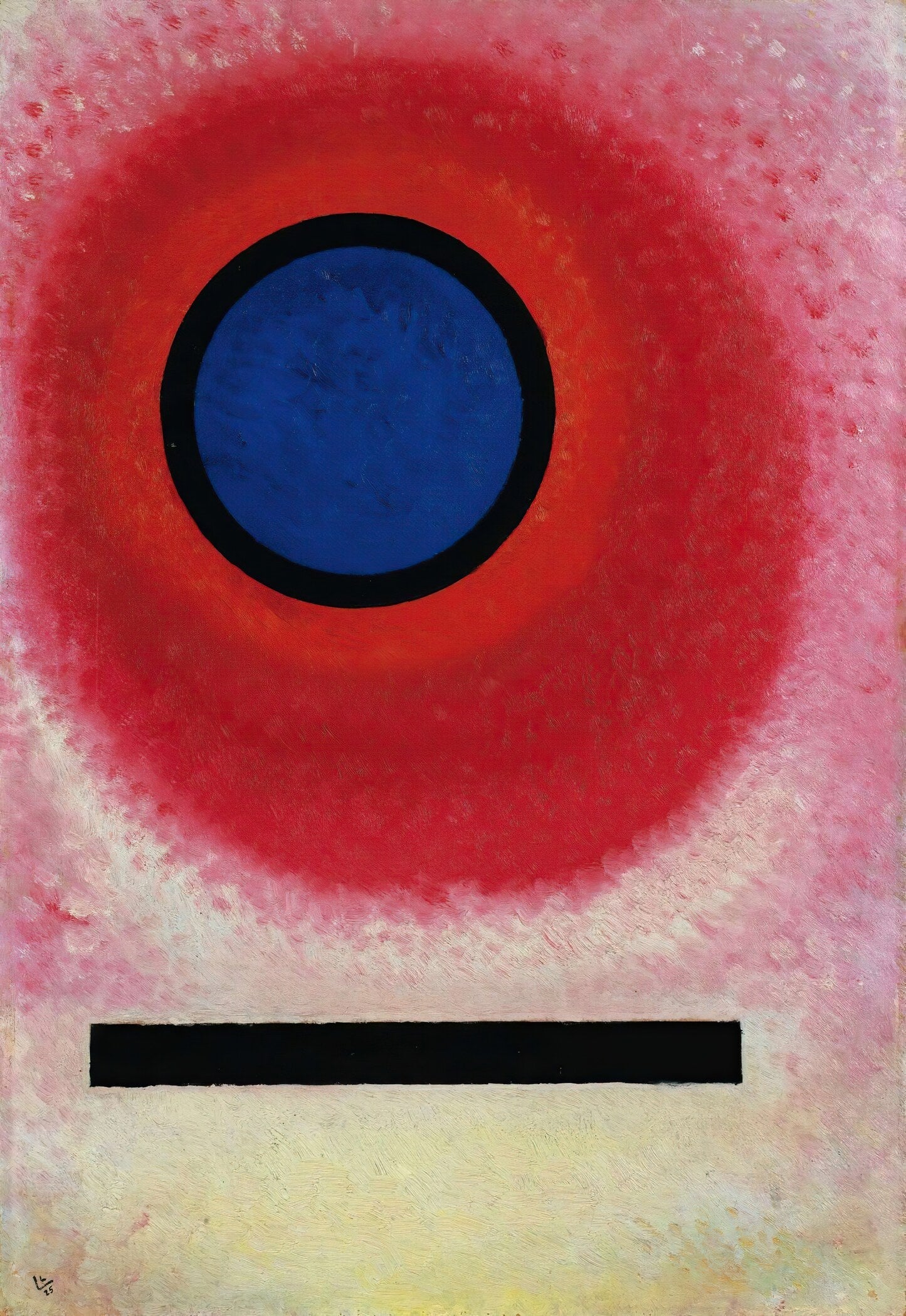
Wassily Kandinsky was one of the first painters to leave recognisable subjects behind and paint pure abstraction. Music was central to him: he compared colours to sounds and painting to composing. His book Concerning the Spiritual in Art (1911) made the case for abstract art. Later works such as Yellow-Red-Blue (1925) and Several Circles (1926) are built from lines, circles and bright colour.
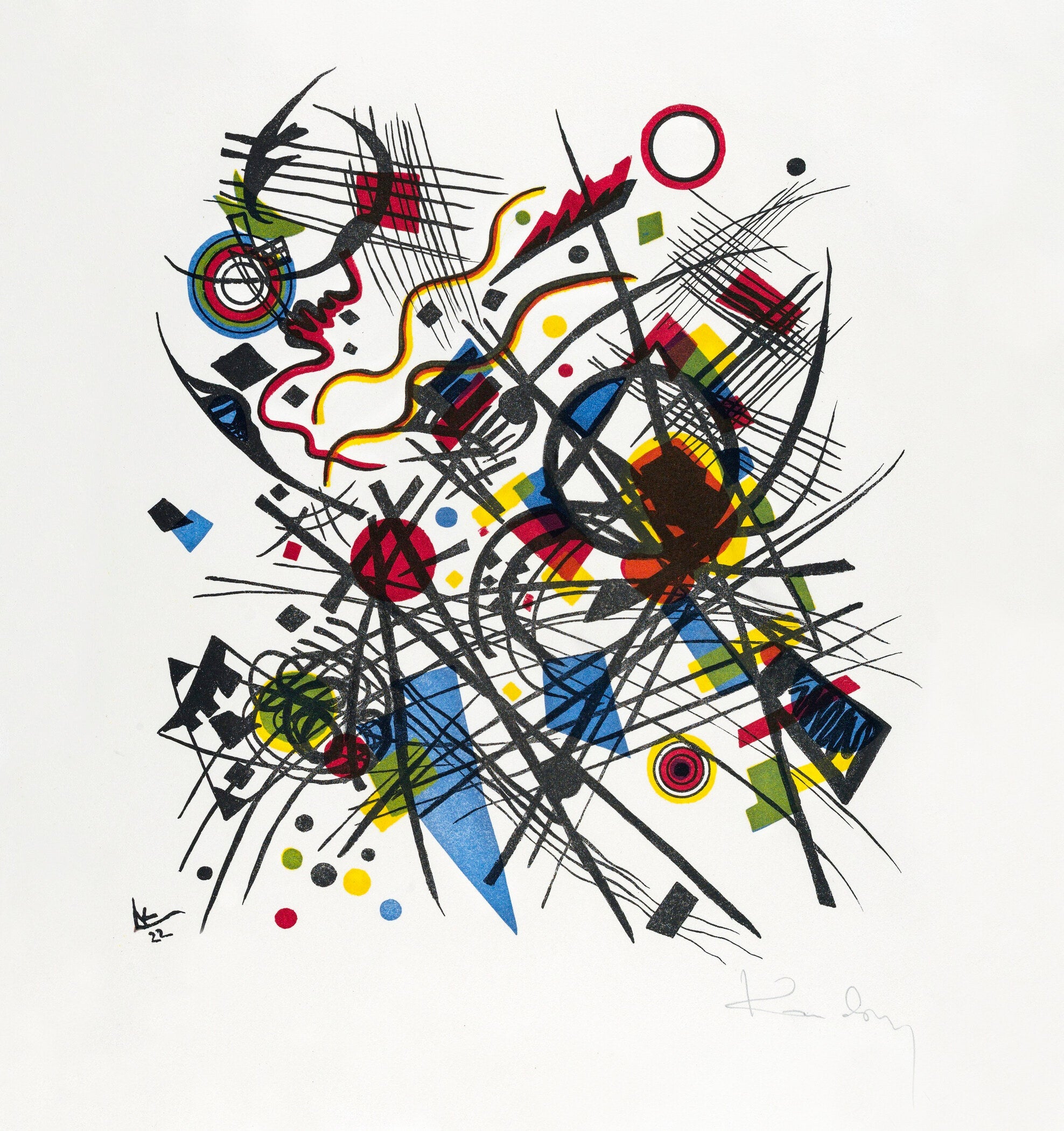
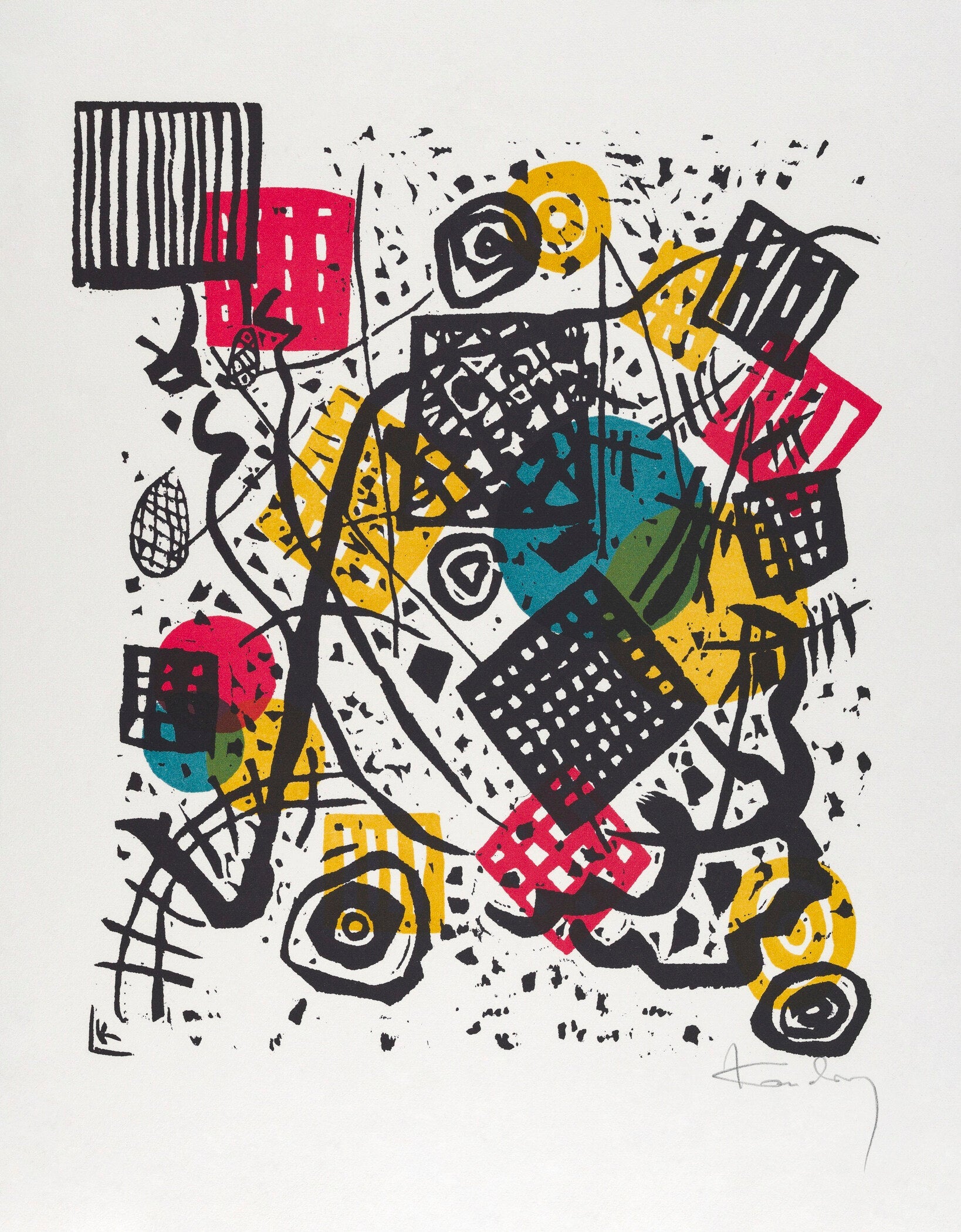
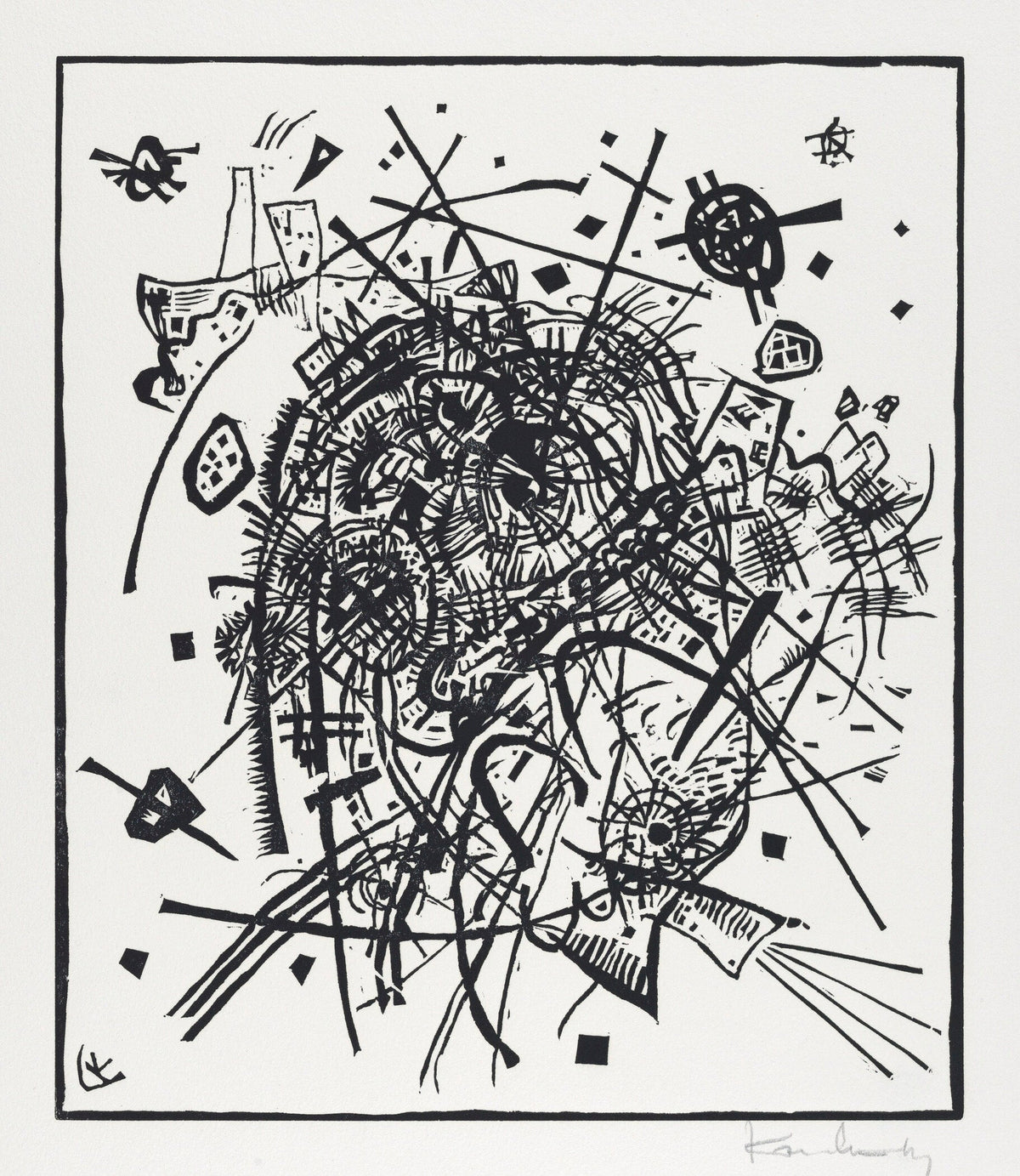
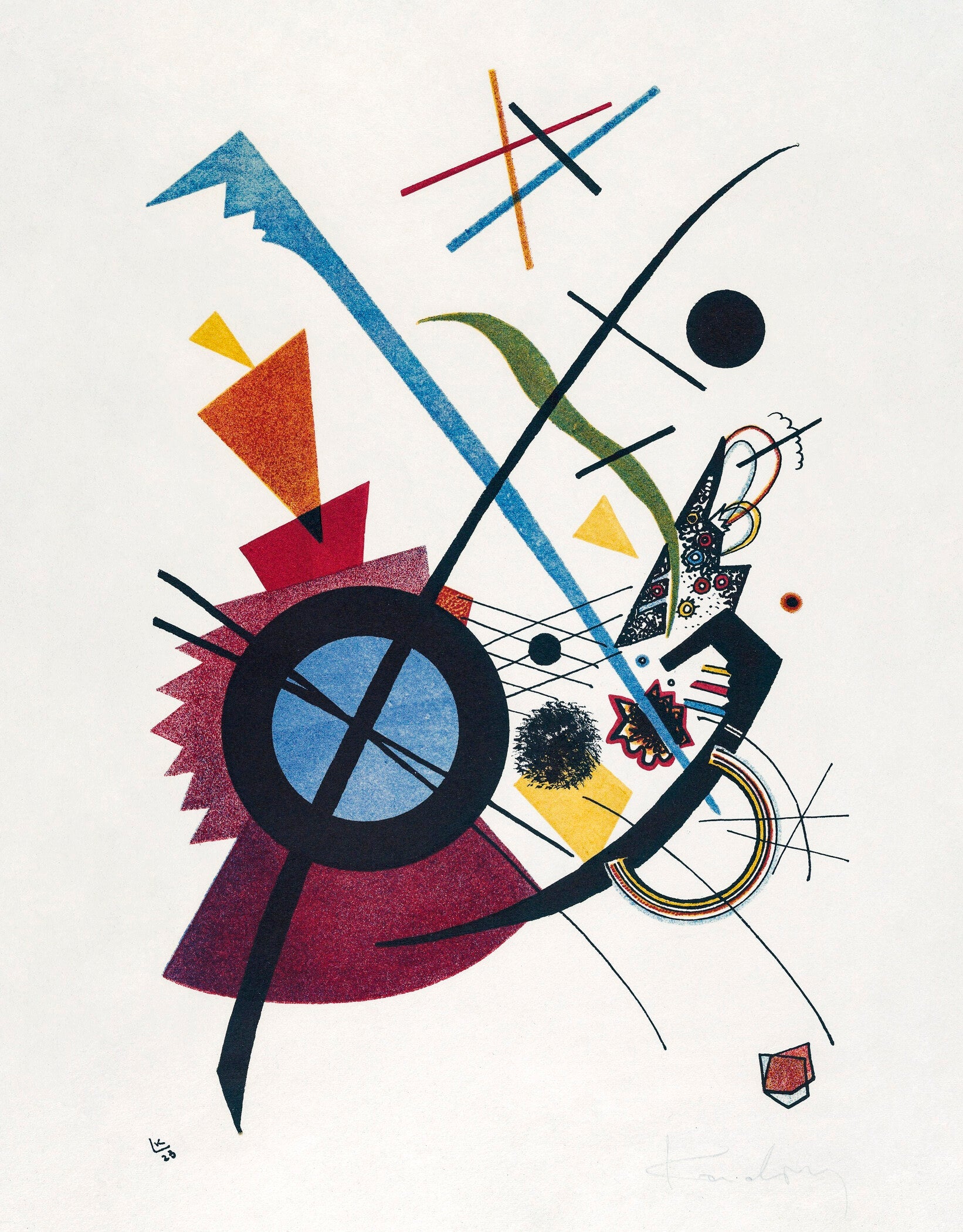
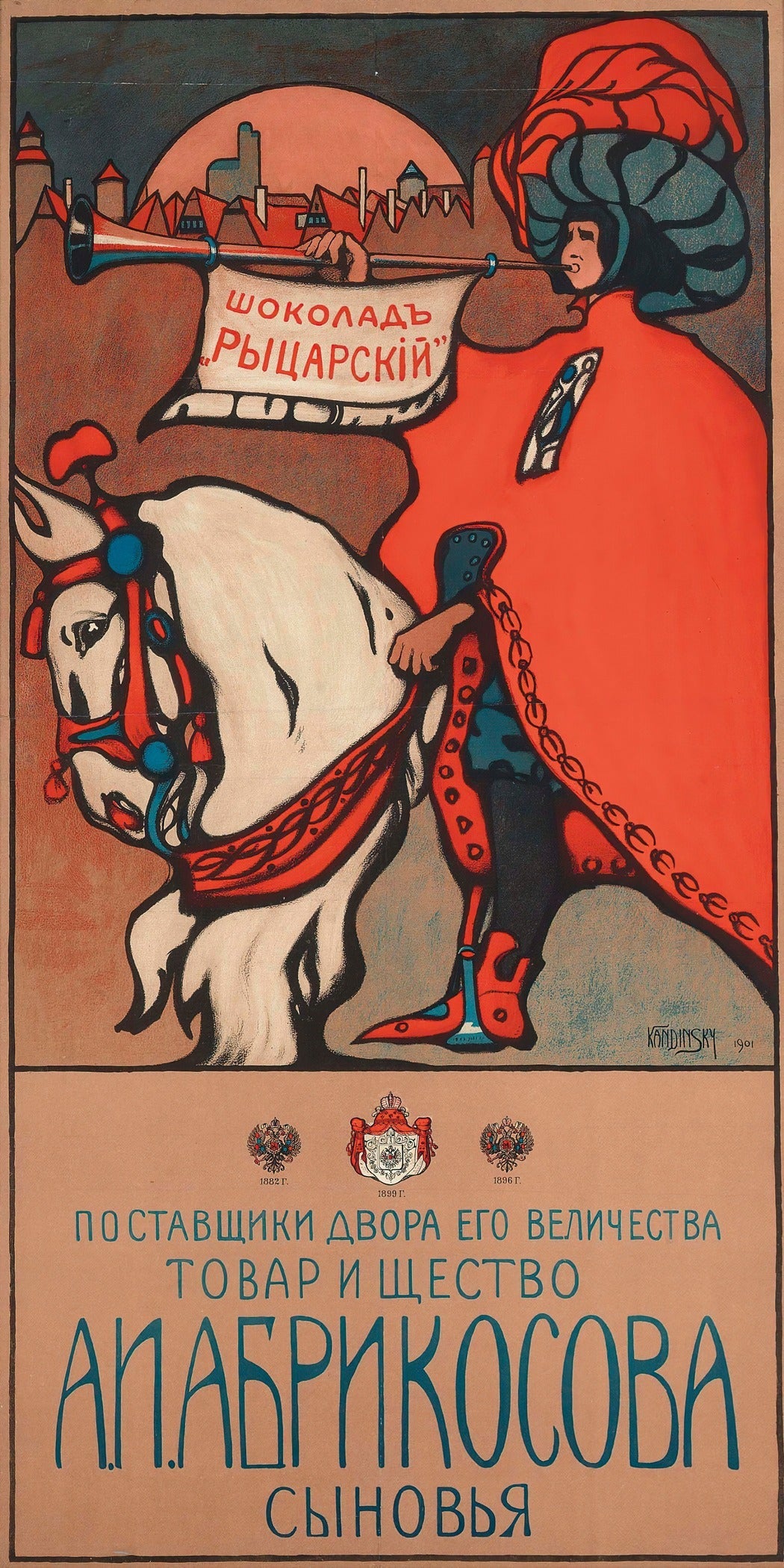
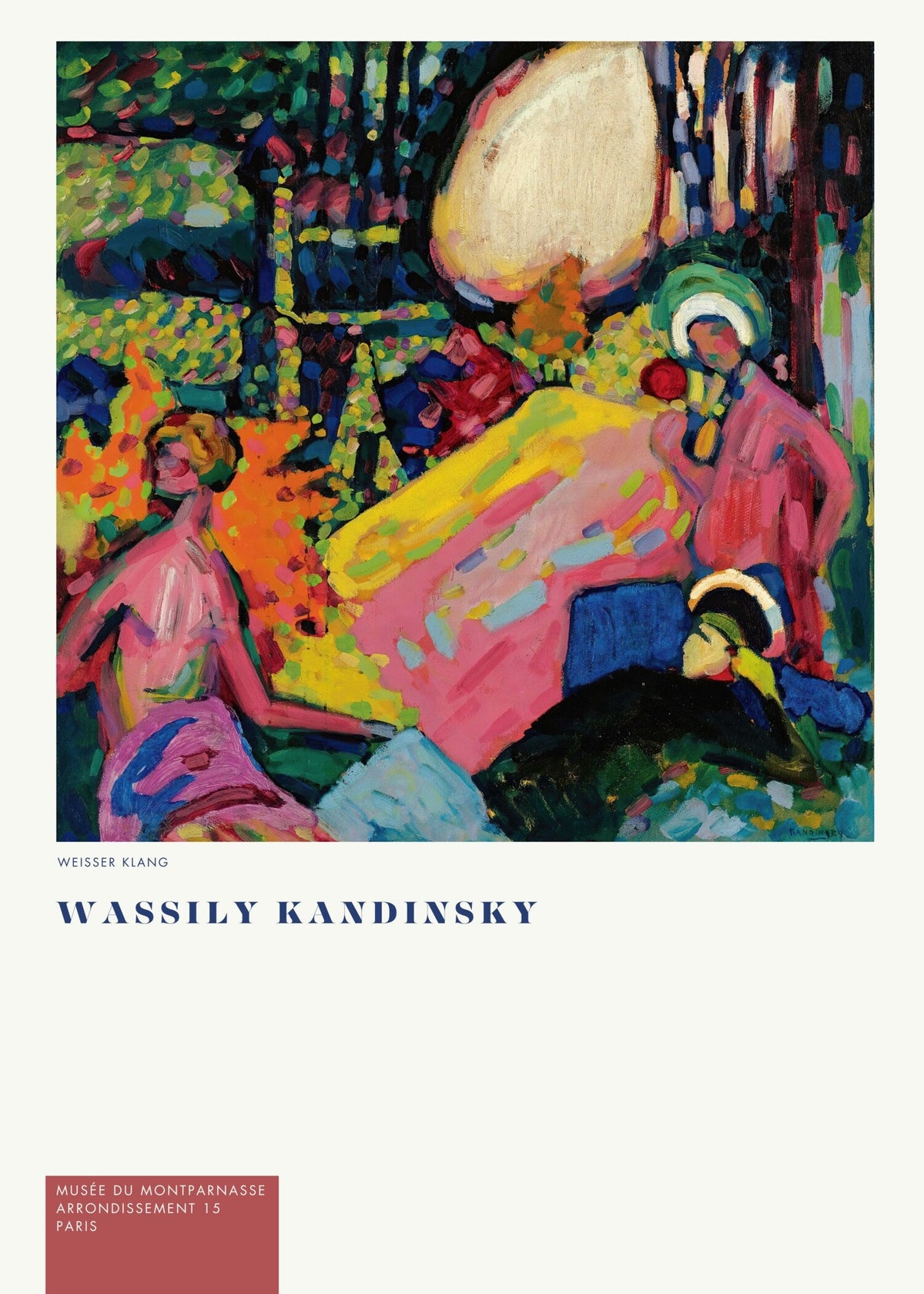
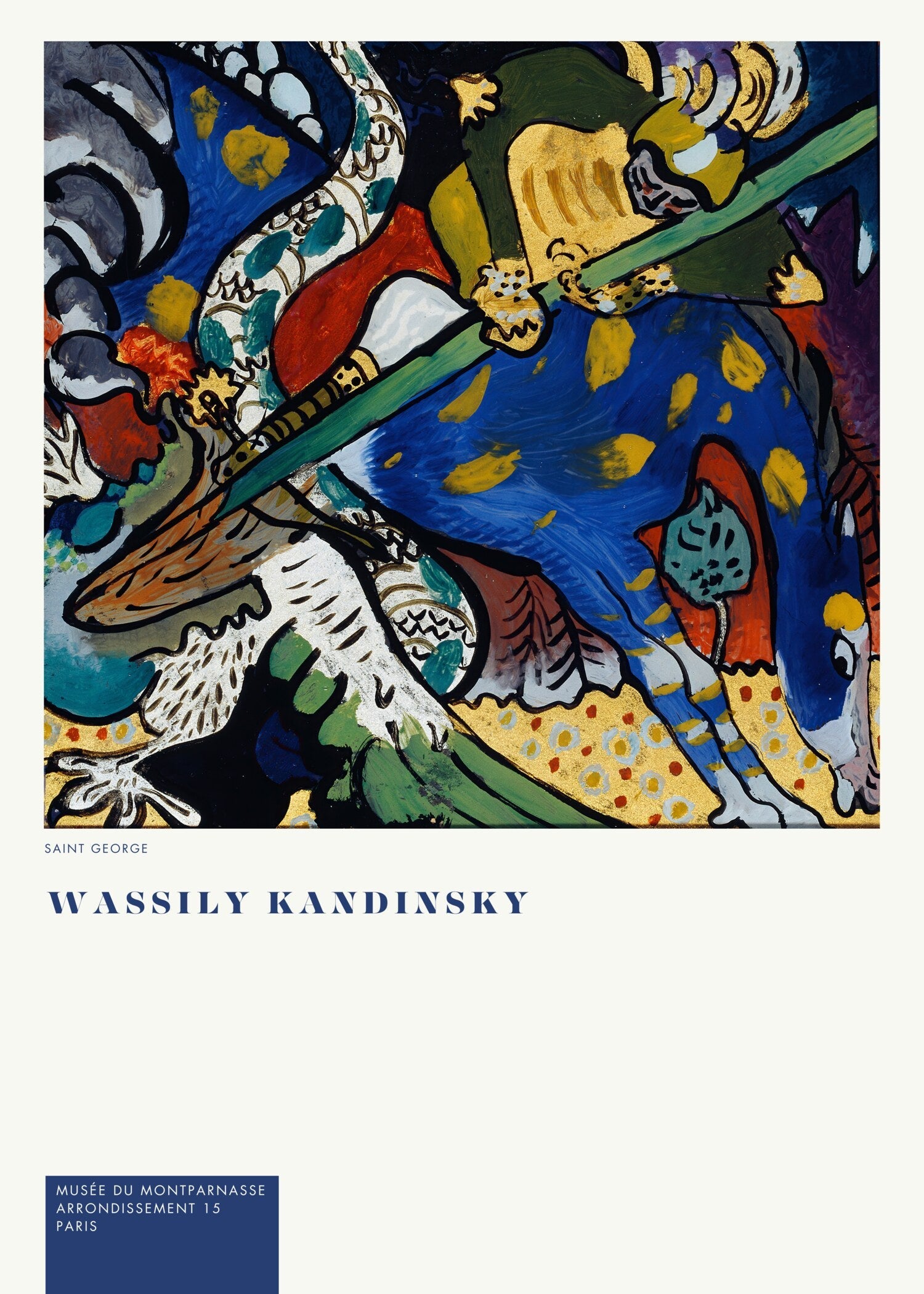
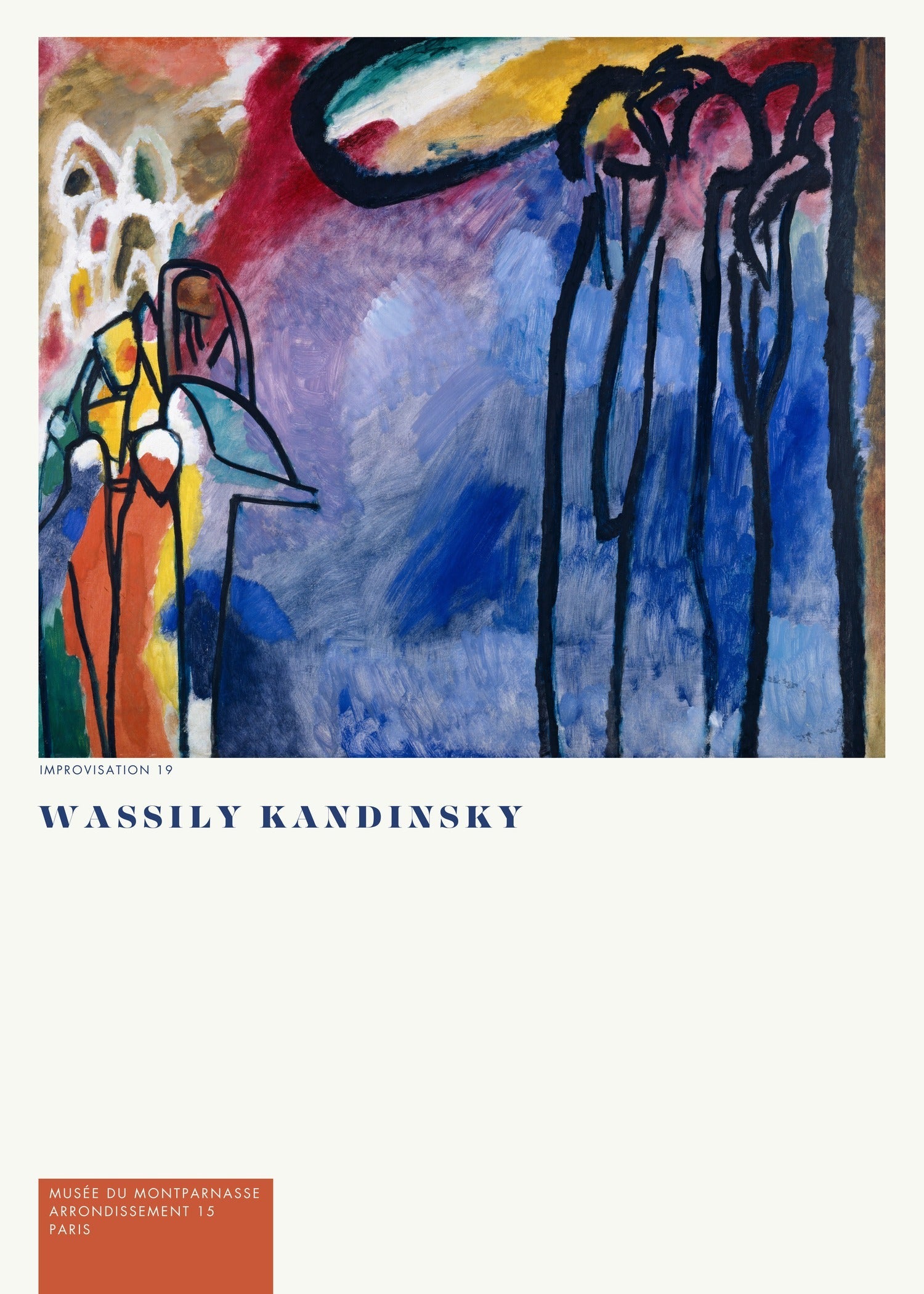
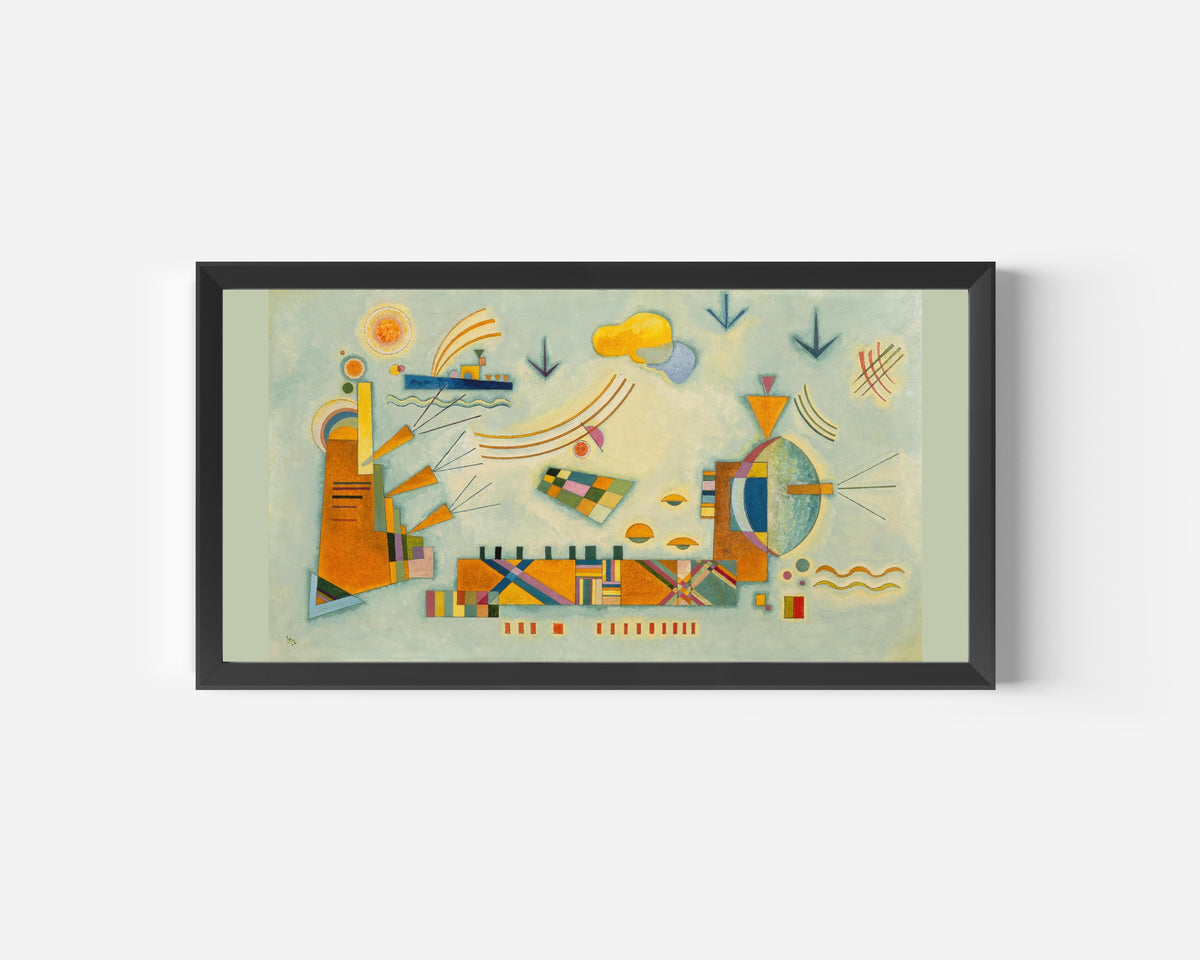
Wassily Kandinsky prints: reproductions of paintings and lithographs by the Russian-born painter Wassily Kandinsky, made between 1901 and 1943. The collection includes Murnau with Church I (1910), Impression III (Concert) (1911), Improvisation No. 30 (Cannons) (1913), Yellow-Red-Blue (1925) and A Conglomerate (1943).
This selection follows Kandinsky's move into abstraction. It includes many early landscapes of Munich, Murnau and Kochel painted in thick, bright colour between 1901 and 1911, then the Improvisations and Impressions of 1911 to 1914, and later geometric works and lithographs from his Bauhaus and Paris years. A few folk-tale and riding scenes from 1906 to 1911 are also included.
The Murnau landscapes suit living rooms, kitchens and dining rooms, and the later geometric works fit home offices and modern interiors. All prints are museum-quality reproductions, available unframed or framed with low-glare acrylic glazing, with free shipping and import duties covered.