Artist · 16 prints
Robert Fludd Prints
About Robert Fludd
Robert Fludd was an English physician and mystical philosopher, born in 1574 at Bearsted in Kent and died in London in 1637. The son of Sir Thomas Fludd, he studied at St John's College, Oxford, spent about six years travelling in Europe, and took his medical degrees at Oxford in 1605. He joined the College of Physicians in London in 1609 and became a successful doctor.
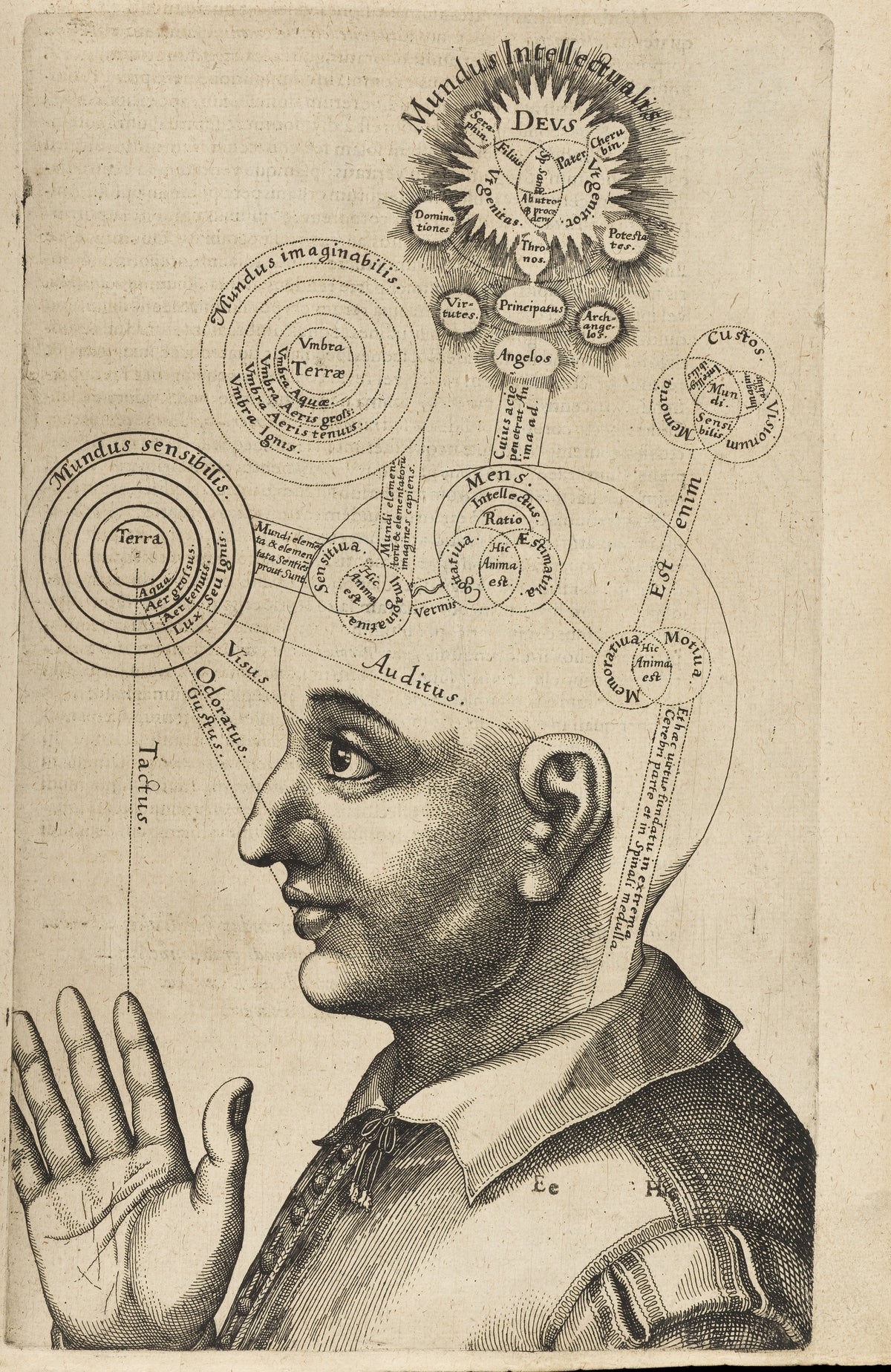
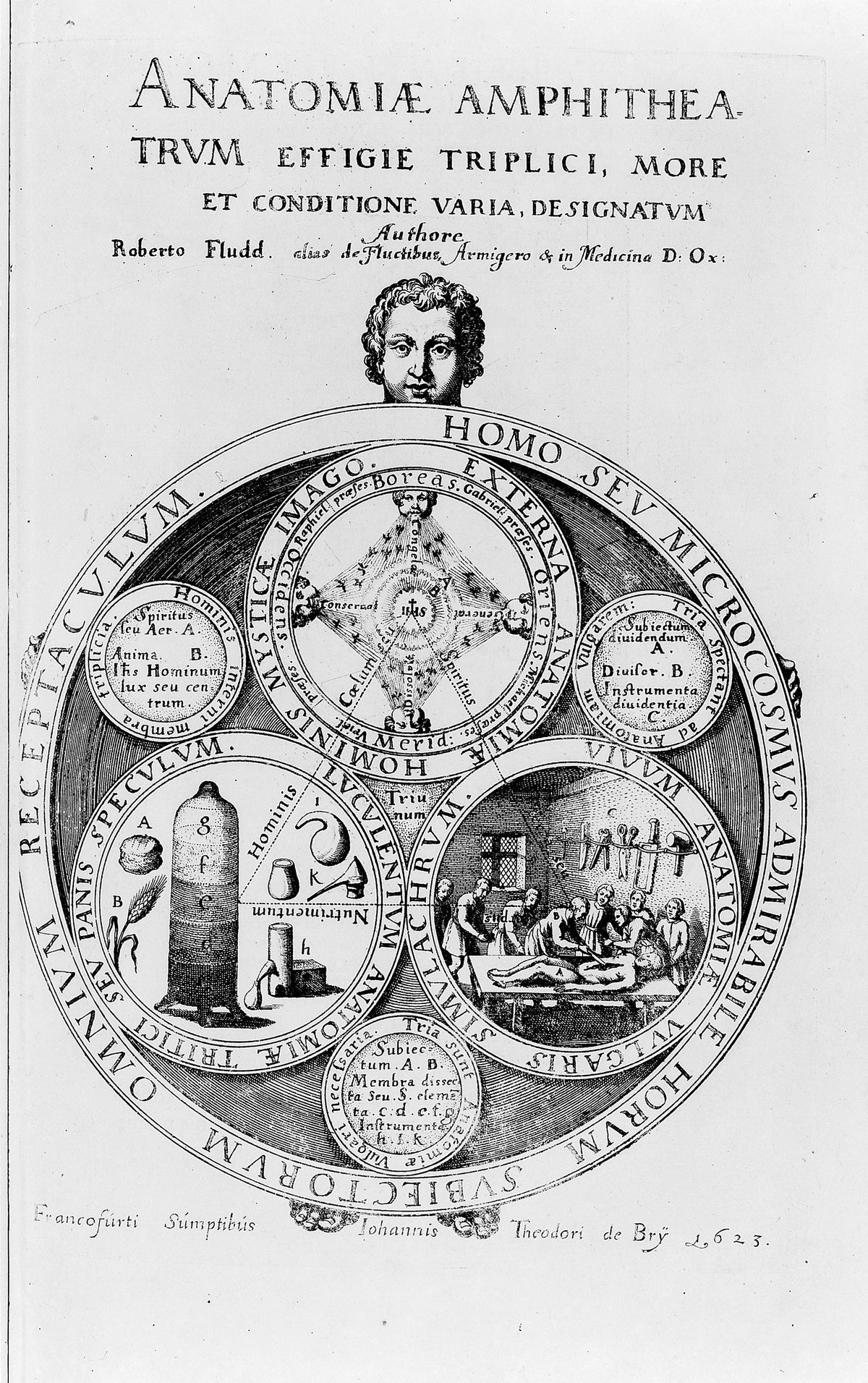
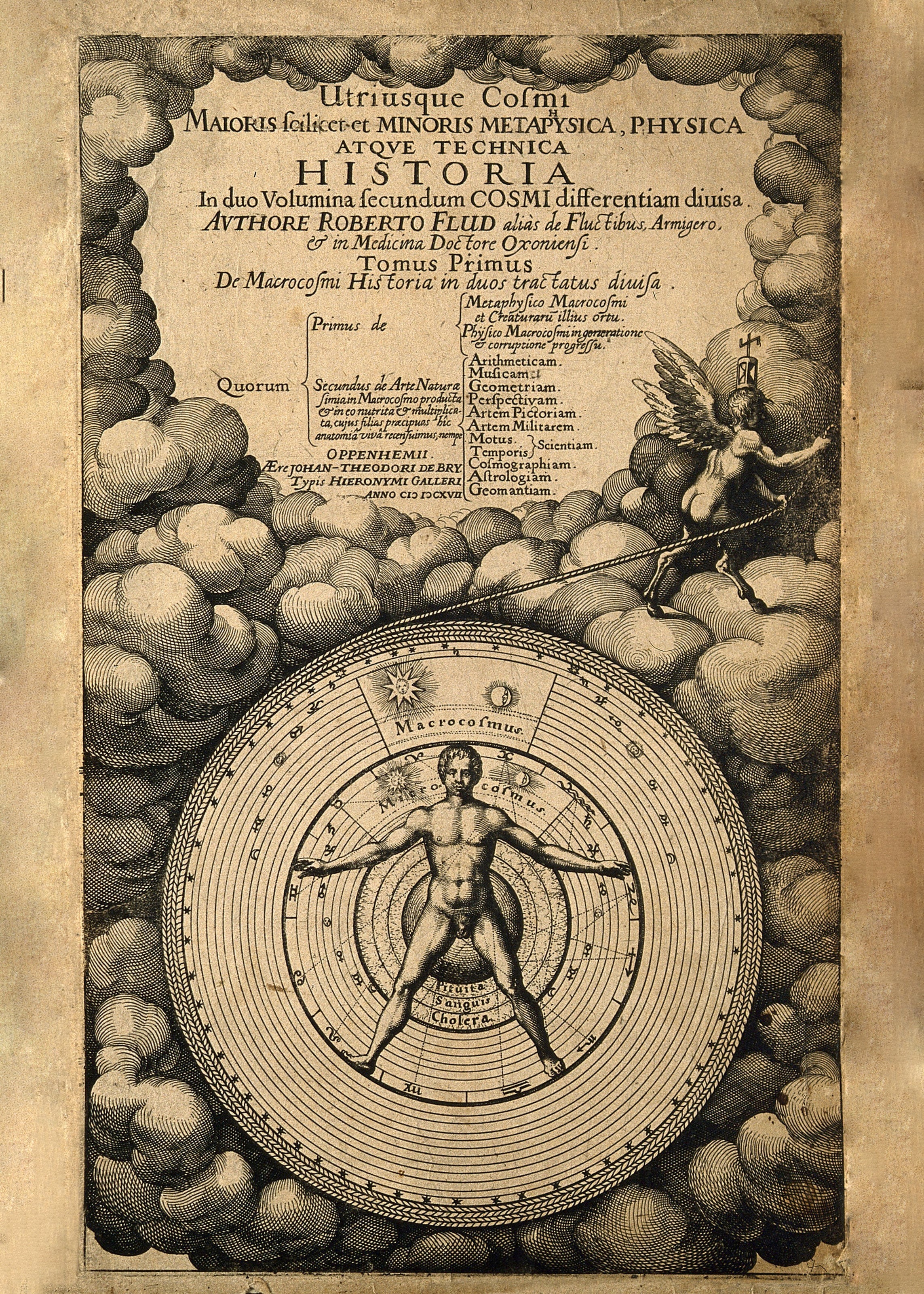
Robert Fludd wrote about the whole universe as a mirror of the human being, the macrocosm and the microcosm, both made in the image of God. His thinking drew on the Bible, the Jewish mystical tradition of Kabbalah, alchemy and astrology, and he defended the ideas of the secretive Rosicrucian movement. His great work, Utriusque Cosmi Historia (History of the Two Worlds, 1617–21), is famous for its intricate engraved diagrams of the heavens, the elements, music and machines. His views led to public arguments with the astronomer Johannes Kepler and the scholar Marin Mersenne.
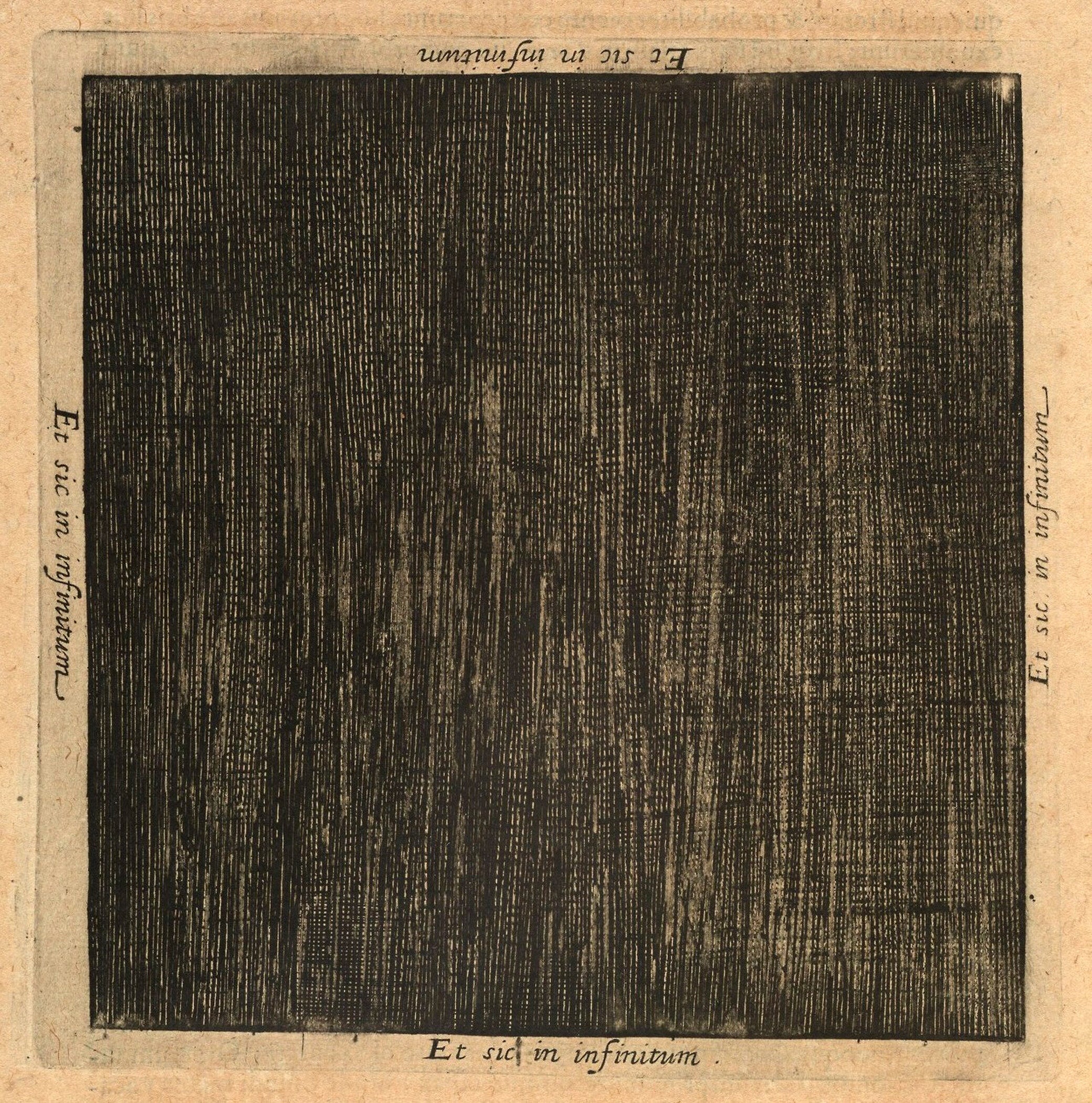
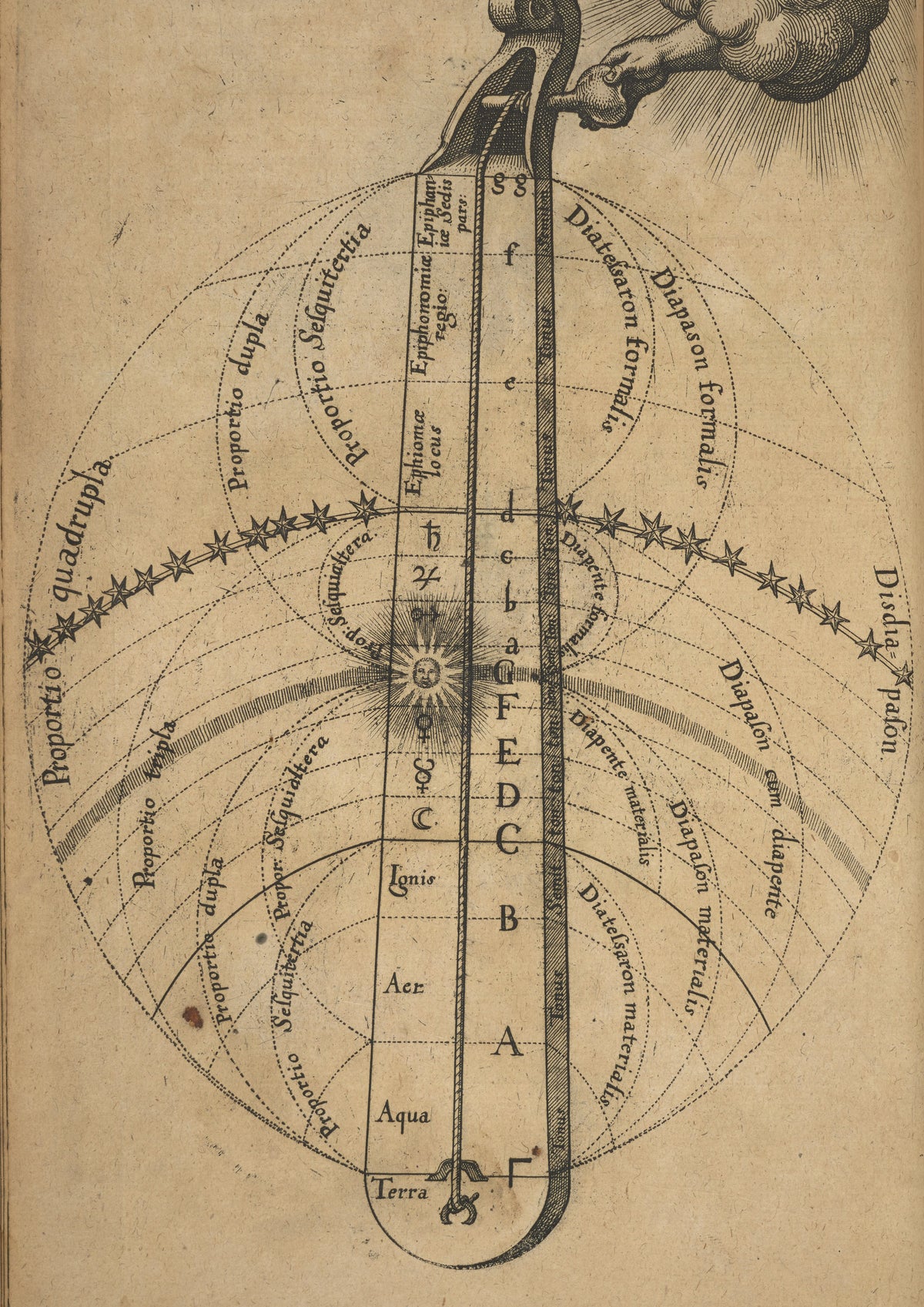
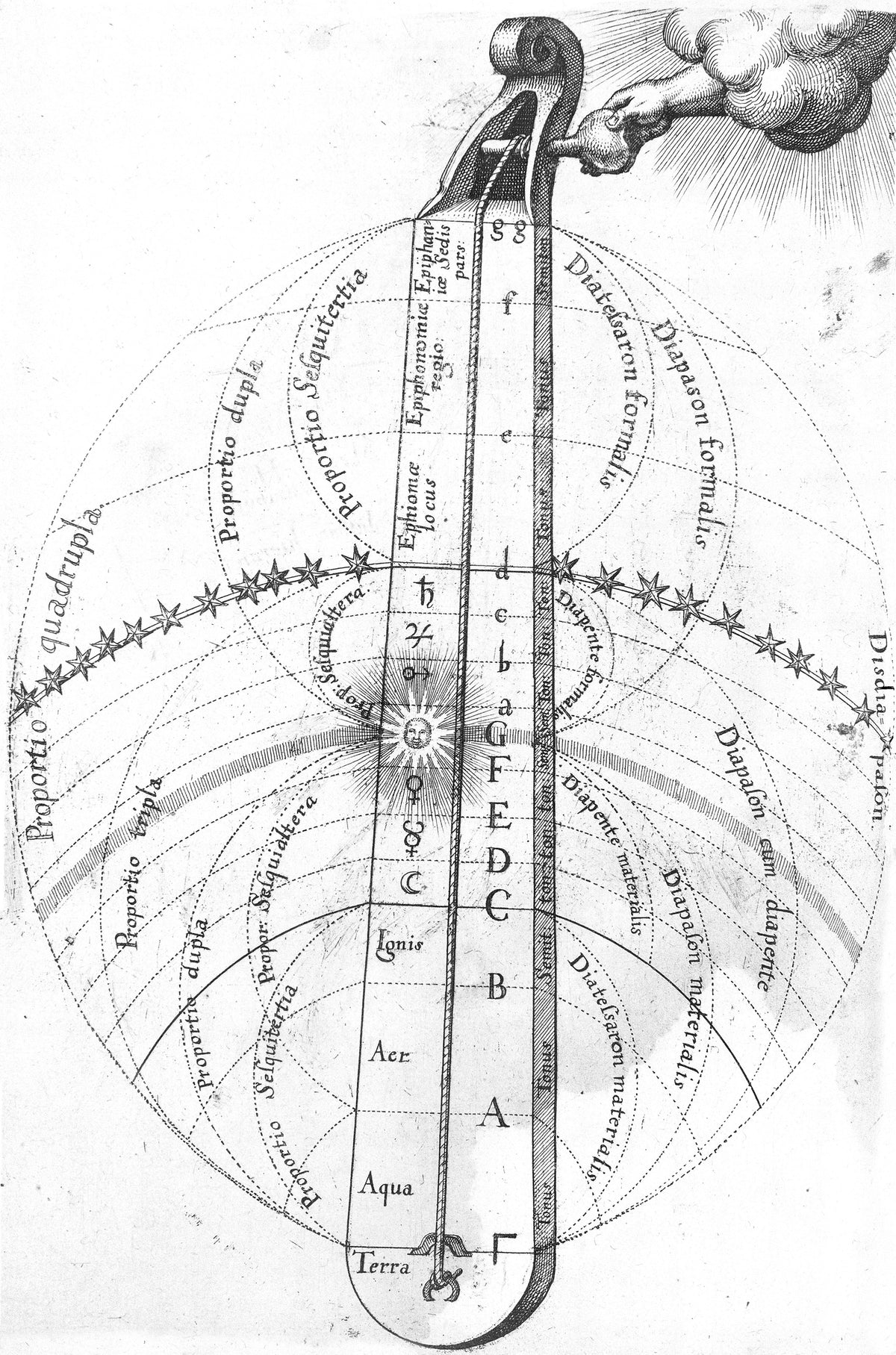
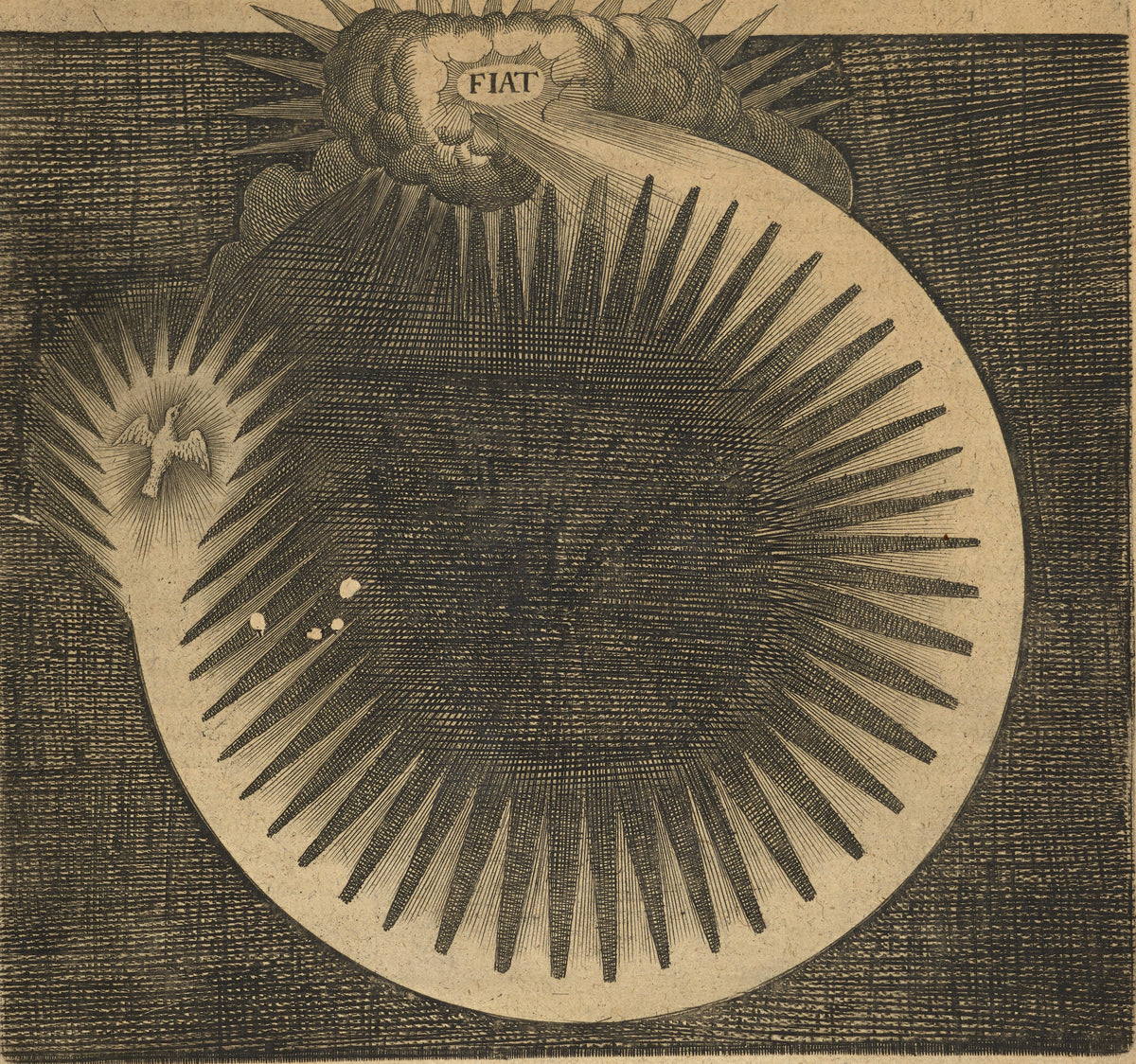
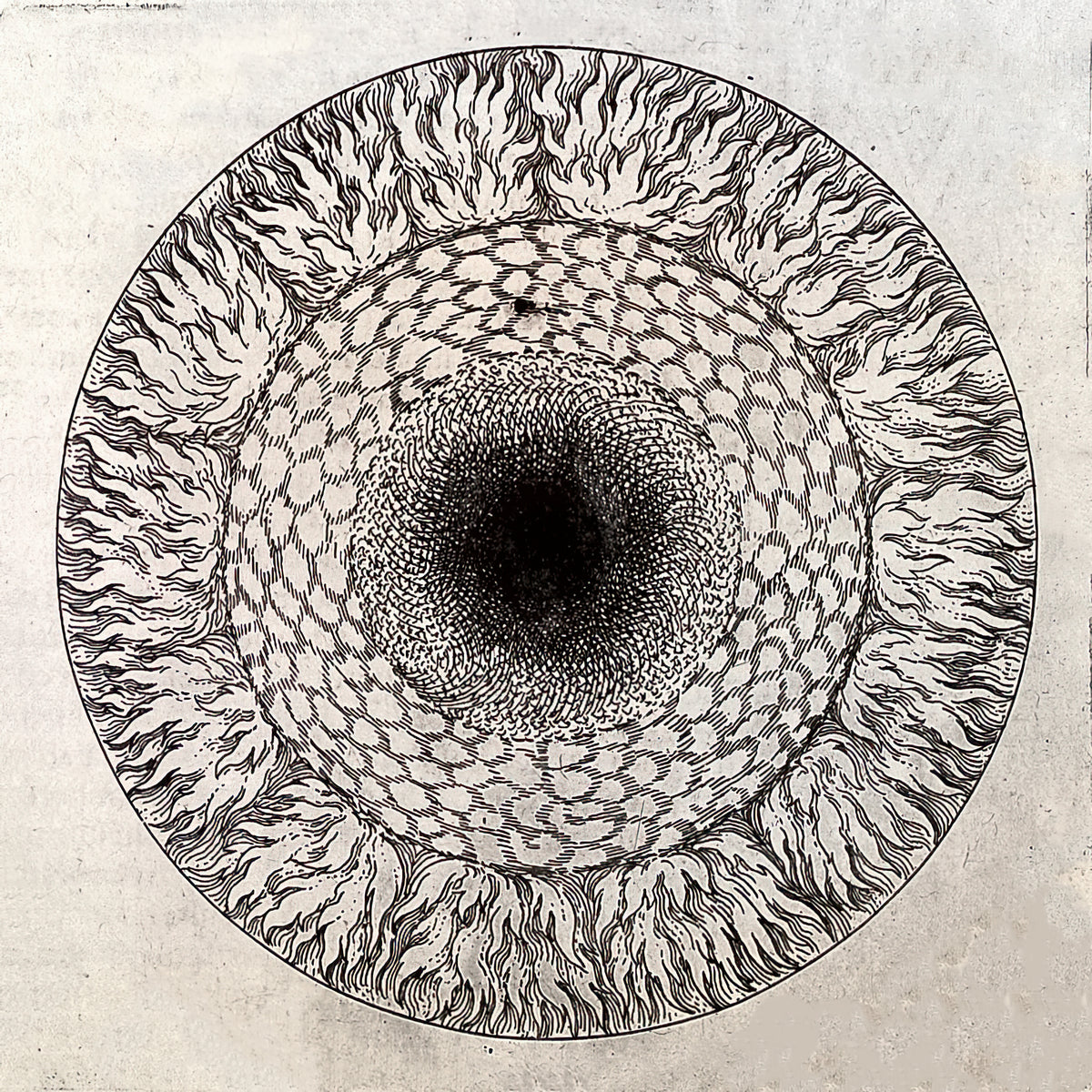
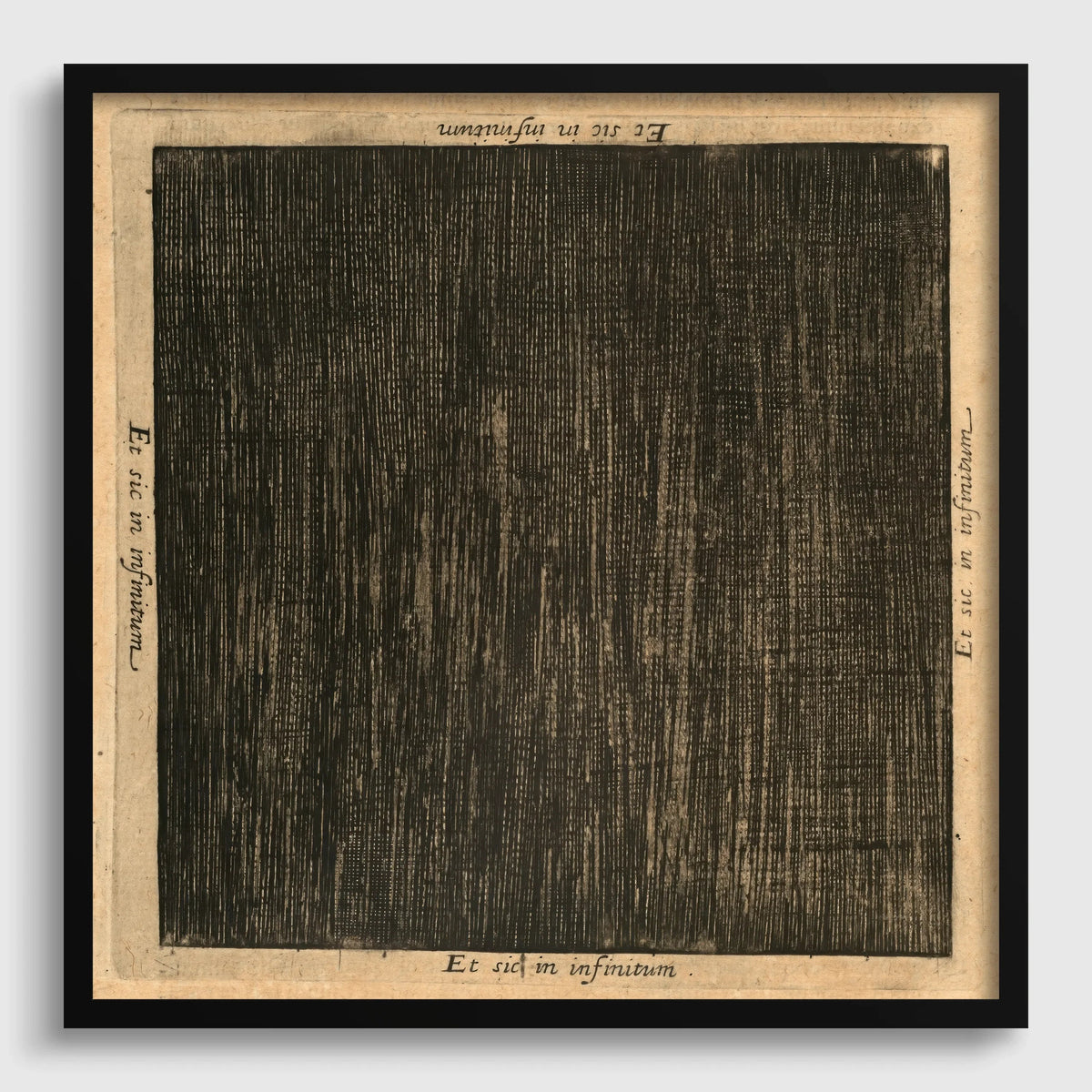
Robert Fludd prints: reproductions of the engraved diagrams from the books of English physician and mystical philosopher Robert Fludd, made between 1617 and 1623. Works in the collection include The Divine Monochord (1617), The Microcosm and the Macrocosm (1617), Sefirot (The Tree of Life) (1619), Mundus Intellectualis (1619) and And So On to Infinity (1617).
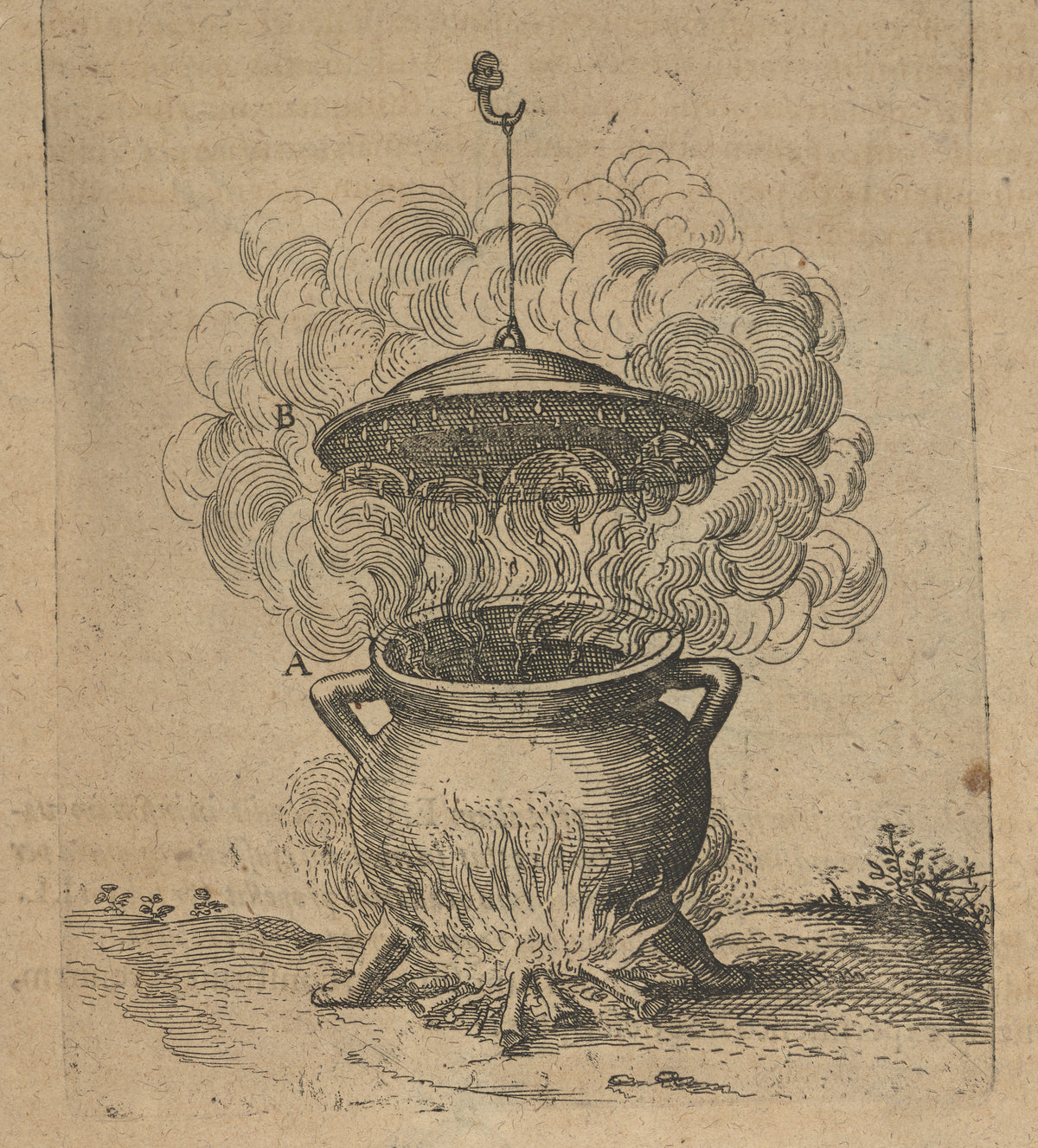
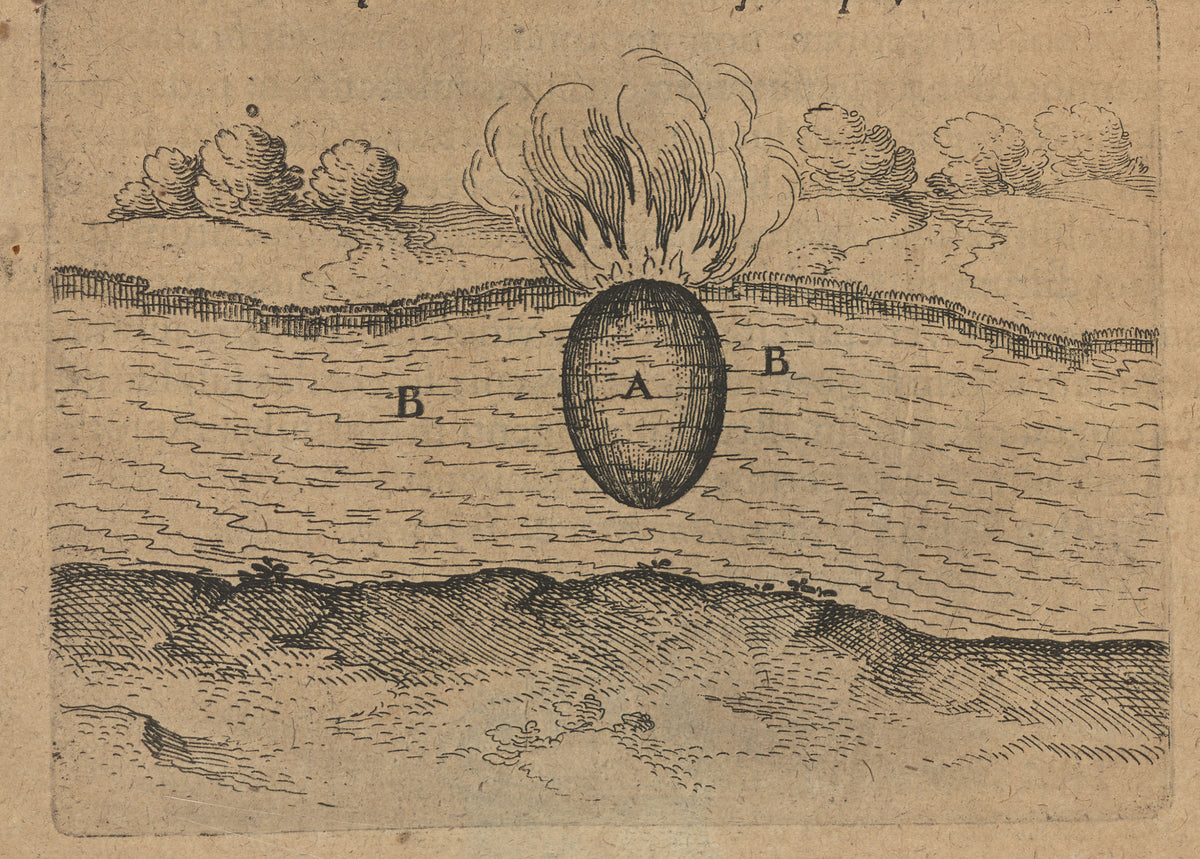
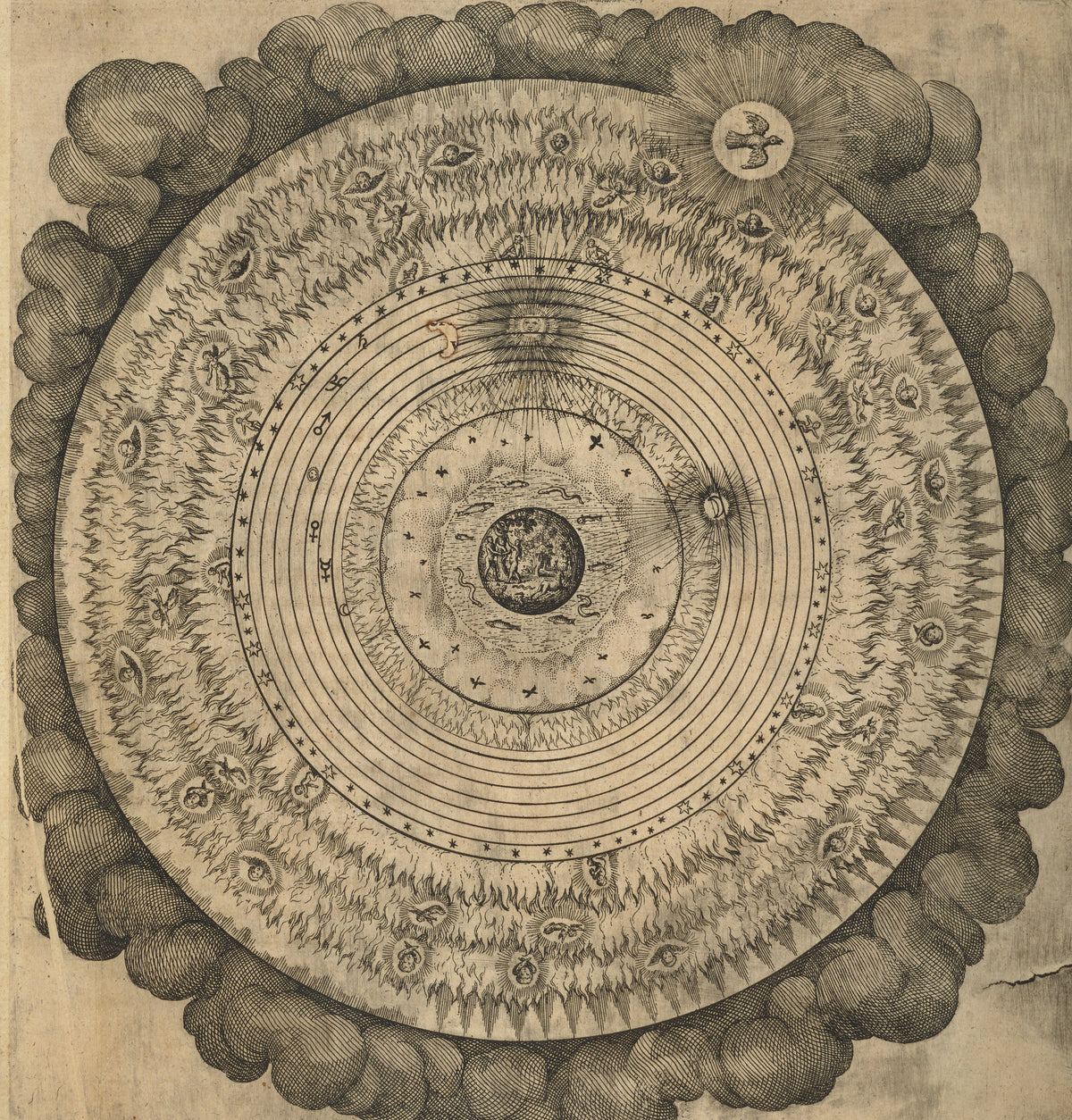
This selection concentrates on plates from Utriusque Cosmi Historia (History of the Two Worlds). They show the universe as rings of spheres, the sun with a face, a cosmic stringed instrument, the stages of creation, alchemical experiments with eggs and cauldrons, and a diagram of the mind inside a head. Most are black-and-white engravings built from circles, lettering and symbols.
The black-and-white diagrams suit studies, libraries, offices and reading corners, and a row or grid of plates works well on a long wall. All prints are museum-quality reproductions, available unframed or framed with low-glare acrylic glazing, with free shipping and import duties covered.